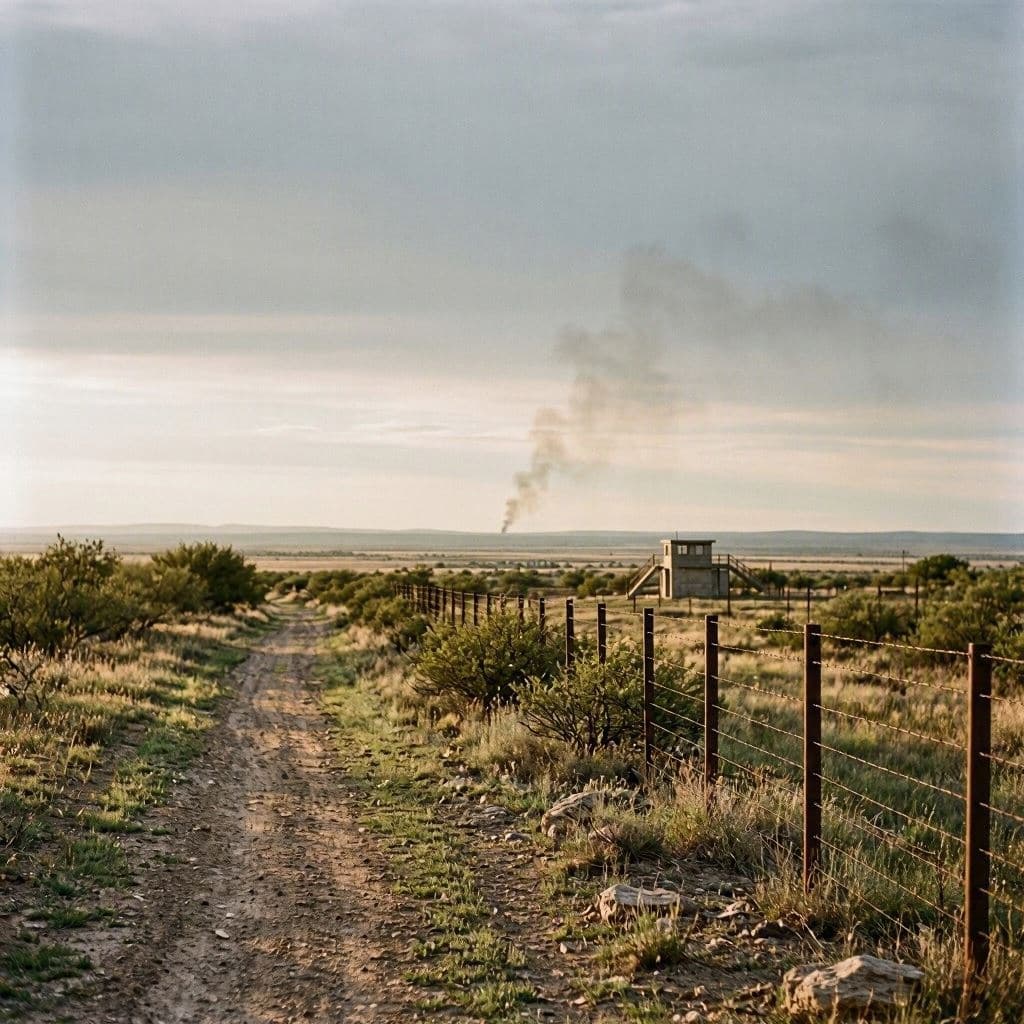
The borders of the Middle East are often lines drawn on maps, but on the ground, they are lived realities marked by tension and history. Recently, these lines have become zones of intense activity as Israel launches deadly strikes in Lebanon, marking a significant escalation in its military campaign. The violence, while focused on specific targets, sends shockwaves through the region, raising fears of a broader conflict. It is a somber development that reminds us of the human cost of political and military decisions, and the fragile nature of peace in a historically volatile area.
The strikes target what Israeli officials describe as Hezbollah infrastructure and command centers, aiming to degrade the group’s capabilities. However, the impact extends beyond military objectives, affecting civilian populations and infrastructure in southern Lebanon. Reports of casualties and damage to homes underscore the collateral damage inherent in such operations. For the residents of these areas, the sky is no longer a source of comfort but a reminder of imminent danger, forcing many to flee their homes in search of safety.
Lebanon, already grappling with severe economic and political challenges, faces added strain from this escalation. The country’s fragile stability is tested as it becomes a theater for regional proxy conflicts. The government struggles to maintain order and provide services to displaced citizens, while international aid organizations work to alleviate suffering. The situation highlights the vulnerability of nations caught in the crossfire of larger geopolitical struggles.
International reactions have been mixed, with calls for restraint and de-escalation coming from various quarters. The United Nations and several countries have urged all parties to avoid actions that could lead to a wider war. Diplomats are working behind the scenes to mediate and find pathways to calm, recognizing the devastating potential of a full-scale conflict between Israel and Hezbollah. The hope is that dialogue can replace destruction, though the path remains uncertain.
The humanitarian impact is profound, with thousands of civilians displaced and in need of assistance. Access to basic necessities like food, water, and medical care is becoming increasingly difficult in affected areas. Aid workers operate under dangerous conditions, striving to reach those in need. Their efforts are a testament to human compassion in the face of adversity, yet they are often overwhelmed by the scale of the crisis.
Regional powers are watching closely, aware that the conflict could spill over into neighboring countries. The involvement of external actors and the complex web of alliances in the Middle East mean that local incidents can have global repercussions. Stability in the region is crucial for global energy supplies and international security, making the stakes high for the international community.
For the families affected, the immediate concern is survival. The uncertainty of when the strikes will end or if they will intensify creates a pervasive sense of anxiety. Children are out of school, businesses are closed, and daily life is suspended. The psychological toll of living under constant threat is significant, leaving scars that may last long after the physical damage is repaired.
As the campaign intensifies, the world waits to see if diplomatic efforts can gain traction. The balance between military objectives and humanitarian considerations is delicate and often precarious. Each strike brings the region closer to a tipping point, where containment may no longer be possible. The need for a sustainable political solution becomes ever more urgent.
The intensified military strikes in Lebanon represent a dangerous escalation in regional tensions. It highlights the urgent need for diplomatic intervention and humanitarian support. Let us hope for a swift return to calm and dialogue.
AI Image Disclaimer: Please be aware that images used in this context are AI-generated visualizations for illustrative purposes.
Sources: BBC News Al Jazeera Reuters
Published by Banx Network. This article is part of the Banx decentralized media programme, powered by the BXE token on the XRP Ledger.