Diplomacy is often described as the art of letting someone else have your way, a delicate dance of negotiation and mutual respect. However, when steps are misinterpreted or intentions clash, the rhythm can break, leading to abrupt and significant consequences. The recent decision by the United States to revoke the visa of the Brazilian ambassador marks a rare and striking escalation in diplomatic tensions between two major nations of the Americas.
This move, confirmed by officials, stems from a growing dispute that has strained the relationship between Washington and Brasília. While the specific details of the disagreement remain partially shrouded in diplomatic protocol, it is clear that the friction has reached a point where standard channels of dialogue were deemed insufficient. The revocation of a diplomat’s visa is an extraordinary measure, signaling a deep level of dissatisfaction and a willingness to take punitive action.
The Brazilian ambassador, a seasoned diplomat tasked with fostering bilateral ties, now finds themselves at the center of a geopolitical storm. Their removal is not just a personal setback but a symbolic gesture that reflects broader issues in the US-Brazil relationship. These may include differences in trade policies, environmental regulations, or political alignments that have diverged in recent years. The incident underscores the fragility of international partnerships in an era of shifting global dynamics.
Reaction to the news has been mixed, with some viewing it as a necessary assertion of sovereignty and others as a disproportionate response that could harm long-term cooperation. Brazilian officials have expressed concern and disappointment, calling for dialogue to resolve the underlying issues. The incident has sparked discussions in both capitals about the future of their partnership, particularly in areas such as economic collaboration and regional security.
Historically, the US and Brazil have enjoyed a strong relationship, characterized by shared democratic values and economic interests. However, recent political changes in both countries have introduced new complexities. The current administration’s approach to foreign policy, emphasizing strict adherence to certain principles, may have clashed with Brazil’s own strategic priorities. This disconnect has created a rift that requires careful navigation to prevent further deterioration.
The implications of this diplomatic spat extend beyond the two nations, affecting regional stability and international perceptions. Allies and partners are watching closely to see how the situation unfolds, as it sets a precedent for how diplomatic disputes are handled in the contemporary landscape. The hope remains that both sides will find a path back to constructive engagement, recognizing the mutual benefits of a strong alliance.
The revocation of the Brazilian ambassador’s visa is a significant event in modern diplomacy, highlighting the challenges of maintaining strong international relationships amidst differing political agendas. It serves as a reminder of the importance of continuous dialogue and mutual understanding in preserving the bonds between nations.
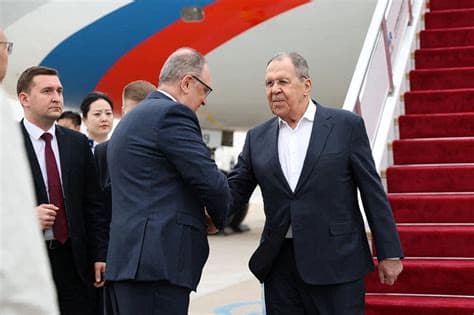
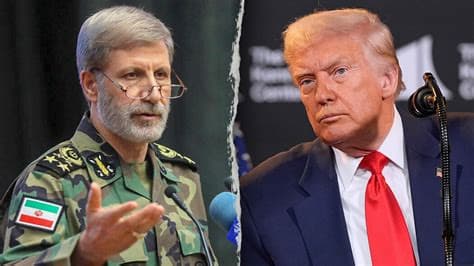
AI Image Disclaimer: The images provided are AI-generated to visually represent the diplomatic context of the story.
Sources: Reuters Politico The New York Times
Published by Banx Network. This article is part of the Banx decentralized media programme, powered by the BXE token on the XRP Ledger.