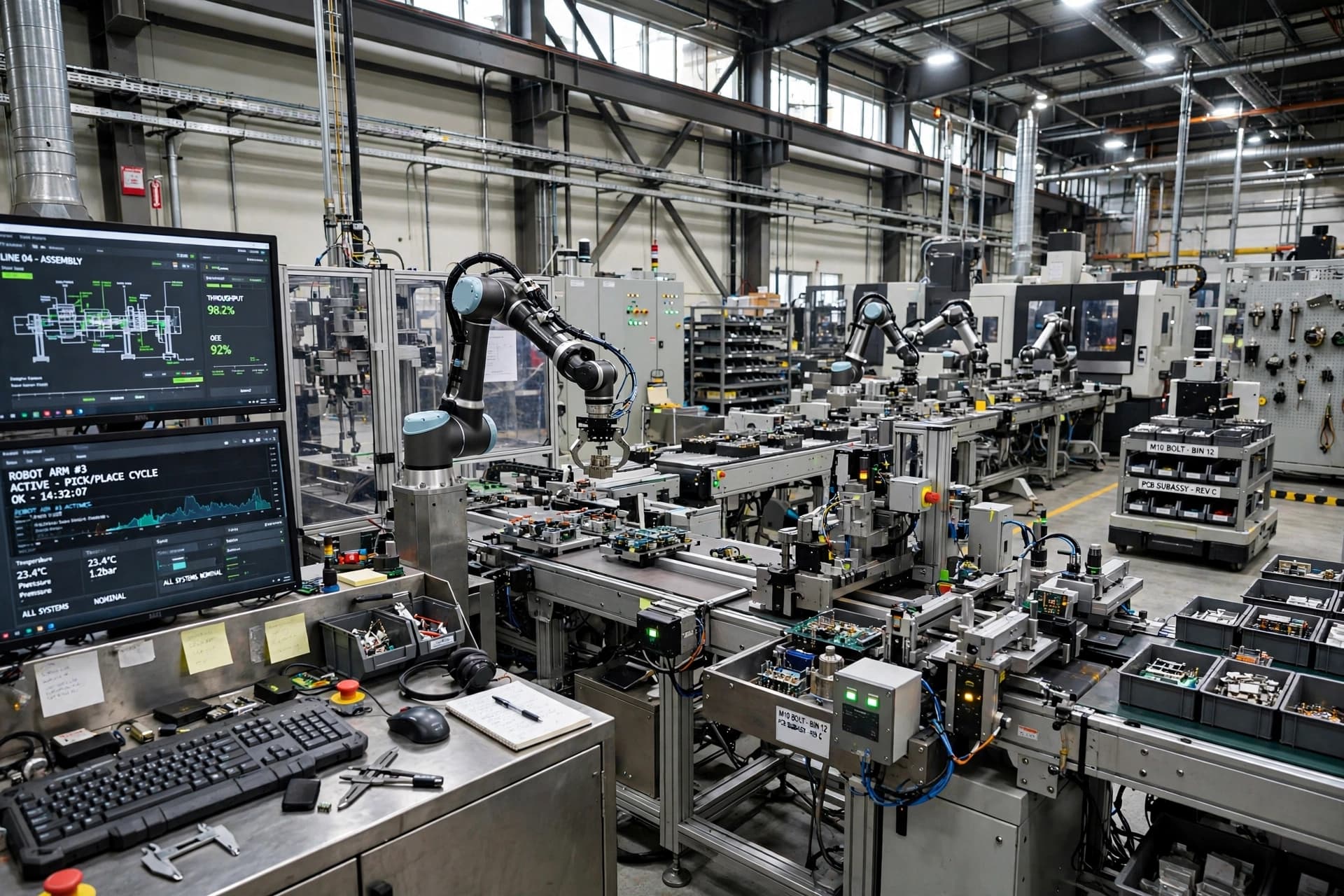
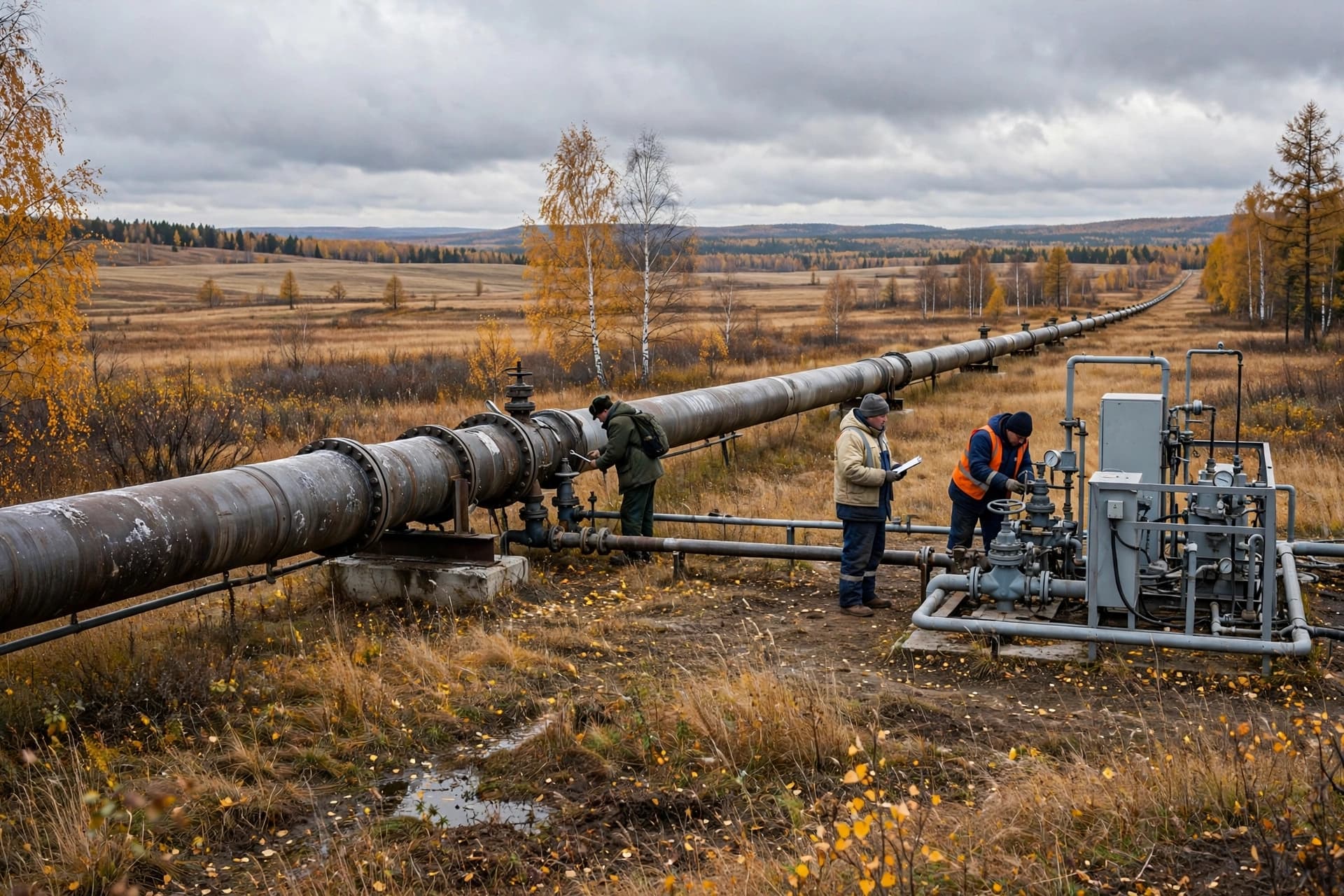
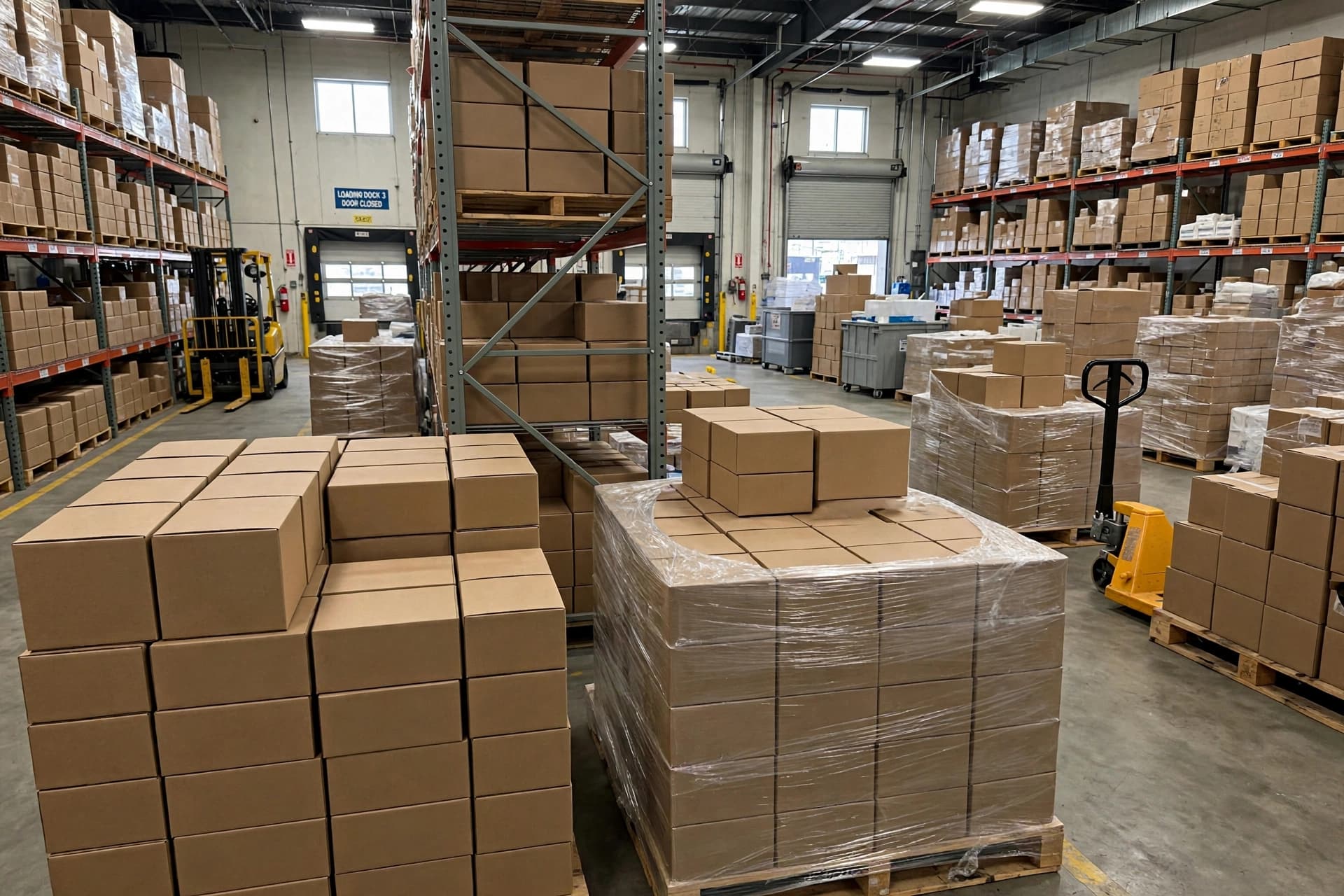
Morning arrives unevenly across the world. In some cities, markets open to the sound of shutters lifting and coins counting out change. In others, the day begins with a pause—shops unopened, streets waiting, people measuring what they can afford to do next. The economy, often spoken of in charts and forecasts, announces itself more quietly here, in the rhythm of ordinary mornings shaped by prices, wages, and uncertainty.
Globally, economic strain has become the most persistent concern of this decade. Inflation has thinned household margins, debt burdens have grown heavier, and growth has slowed unevenly across regions. For emerging economies, the pressure feels structural and immediate: food and fuel costs rise faster than incomes, currencies weaken, and access to credit tightens just as populations grow younger and more urban. In many countries, economic stability is not an abstract goal but the difference between continuity and disruption.
Yet in the United States, the picture looks different from a distance. Growth has remained comparatively resilient, unemployment low by historical standards, and consumer spending steady enough to soften the edges of global slowdown. While Americans debate prices at grocery stores and the cost of housing, the underlying system continues to move with momentum that much of the world can no longer assume. The economy matters deeply in the United States—but it does not dominate the national imagination in the same way it does elsewhere.
In parts of Africa, Latin America, and South Asia, economic conditions define politics and daily life with sharper clarity. Governments face narrow choices between social spending and fiscal restraint. Young people enter labor markets unable to absorb them. Migration becomes less a choice than a necessity. Even in Europe, where social safety nets remain strong, slow growth and high energy costs have reshaped conversations about competitiveness, industry, and the future of work.
The divergence is not simply about wealth, but about exposure. The United States benefits from a reserve currency, deep capital markets, and an economy less dependent on external financing. When global interest rates rise, others feel the squeeze first and longest. For many countries, economic turbulence limits everything else—climate adaptation, education, health systems, and political stability fold inward under financial strain.
This imbalance quietly shapes global priorities. While American politics often centers on cultural or institutional questions, much of the world remains focused on survival economics: how to keep food affordable, jobs available, and debt manageable. The economy is not one issue among many; it is the lens through which all others are viewed.
As international leaders gather in summits and forums, the shared language of economic concern sometimes masks unequal urgency. What feels like a manageable challenge in Washington may register as an existential threat elsewhere. The numbers may appear similar on spreadsheets, but their human weight is not evenly distributed.
The world’s most important problem, then, is not absent from America—it is simply less defining. And as long as that gap remains, global conversations will continue to drift, shaped by different mornings, different pressures, and different thresholds for what counts as stability in an uncertain age.
AI Image Disclaimer Visuals are AI-generated and serve as conceptual representations.
Sources International Monetary Fund World Bank OECD Reuters Brookings Institution
Published by Banx Network. This article is part of the Banx decentralized media programme, powered by the BXE token on the XRP Ledger.