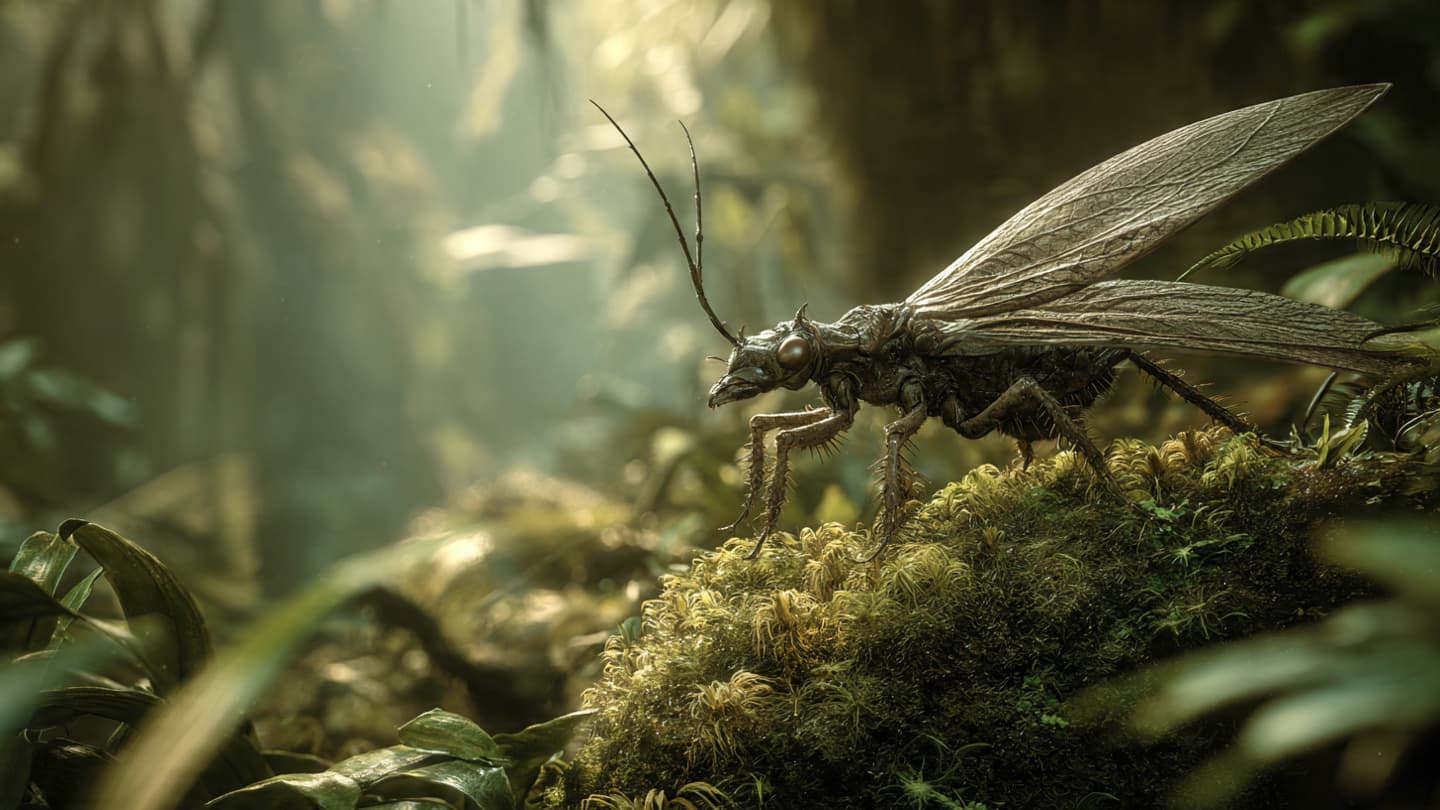
The image of giant insects from prehistoric times often feels like a reflection of a different world, one shaped by unfamiliar rules. For years, a simple explanation stood quietly behind their size: higher oxygen levels in the atmosphere. Yet new research invites a more careful reconsideration of that long-held assumption.
A recent study challenges the idea that elevated oxygen concentrations were the primary reason for the large size of prehistoric insects. Instead, researchers suggest that other biological and environmental factors played a more significant role.
Fossil evidence has long shown that insects during certain prehistoric periods reached sizes far larger than their modern counterparts. This led scientists to propose that higher oxygen levels allowed their respiratory systems to support greater body mass.
However, new modeling and experimental data indicate that oxygen alone may not fully explain these size differences. The study points to factors such as evolutionary pressures, ecological roles, and the absence of certain predators as potential influences.
In particular, the structure of insect respiratory systems appears to be more adaptable than previously thought. This suggests that insects may have been capable of achieving larger sizes even under varying atmospheric conditions.
The research also highlights the complexity of prehistoric ecosystems. Rather than being driven by a single factor, the development of large insect species likely involved a combination of environmental stability, resource availability, and evolutionary pathways.
These findings encourage a broader approach to studying ancient life, one that considers multiple interacting variables rather than relying on a single dominant explanation.
While the debate is not entirely settled, the study contributes to an ongoing effort to refine understanding of how life evolved under different conditions on Earth.
By revisiting familiar assumptions, scientists continue to uncover a more detailed picture of the past, where even well-accepted ideas can give way to new perspectives.
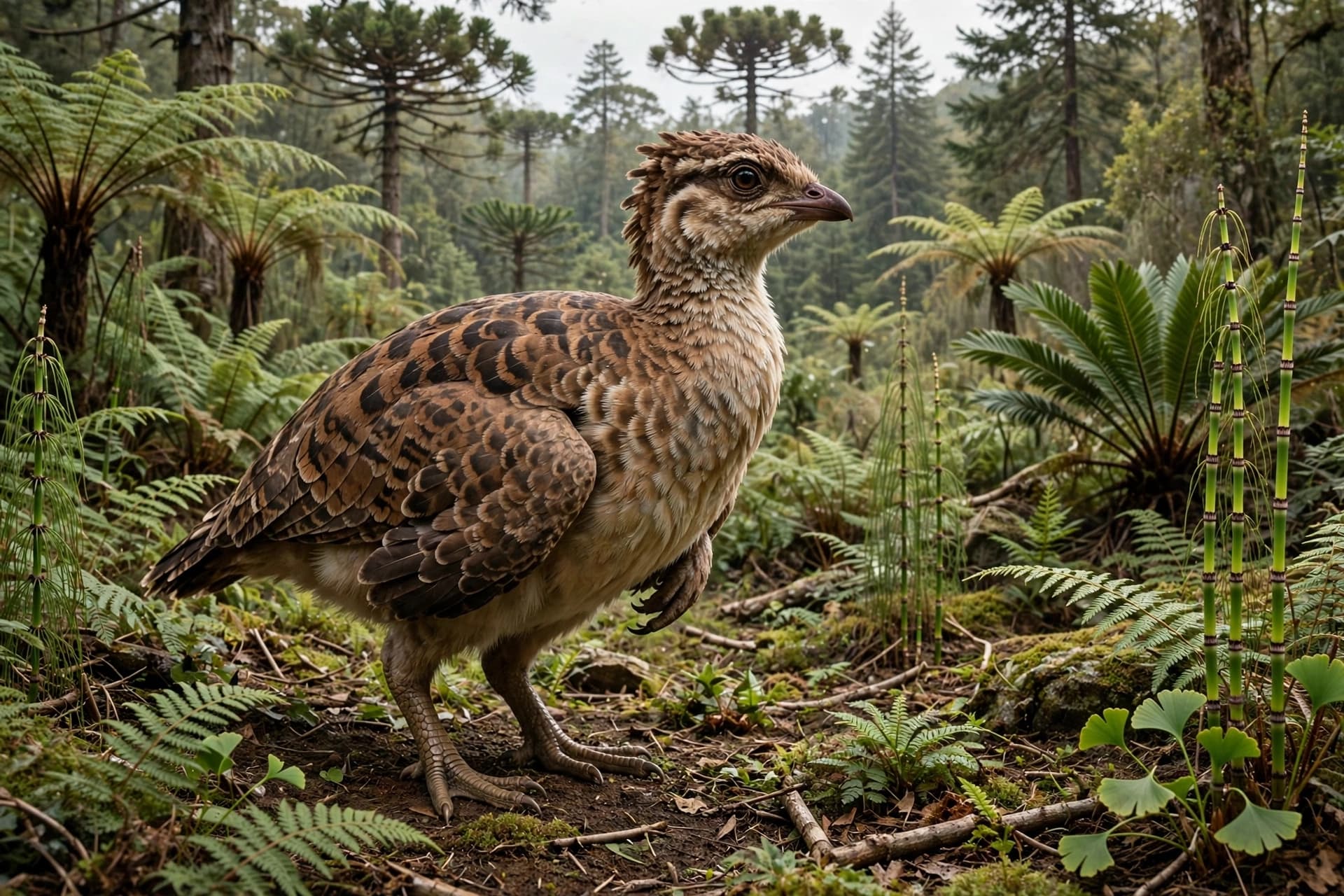
AI Image Disclaimer: This article includes AI-generated images created to visualize prehistoric insect life and ancient environments.
Sources: Proceedings of the Royal Society B, Nature Ecology & Evolution, BBC Science, National Geographic, Smithsonian Magazine
Published by Banx Network. This article is part of the Banx decentralized media programme, powered by the BXE token on the XRP Ledger.