Long before cameras and field notebooks, long before we etched stories into clay and stone, the land was a dance of shadows and sun-dappled leaves. In that ancient choreography, every living thing learned how to move, to reach, and to hold on. For some of the most iconic creatures of the Mesozoic, this was not a simple matter of limbs swinging in the breeze it was a matter of life and sustenance, of subtle adaptation written into bone and claw.
Among the din of teeth and roar, a quieter story unfolded: the story of grip. Not all dinosaurs were meant to grasp the way we imagine primates or birds today. Yet in the delicate arc of a claw, the bend of a wrist, and the arrangement of bones, there are whispers of purpose. Some theropods, like Deinonychus, seemed to wield their forelimbs not merely as afterthoughts but as tools capable of drawing prey close and holding it fast against the inevitable struggle of survival. Biomechanical studies suggest that its forelimbs were long enough and its muscles powerful enough to clutch prey toward the chest, offering a precision of movement that seems surprisingly intimate in the fierce world of the late Jurassic and early Cretaceous.
Elsewhere in the fossil record, creatures like Dilophosaurus reveal hands adapted to grasping objects between their claws, perhaps for feeding, manipulation, or even display. These were not mere stubs or vestigial remnants, but functional tools of interaction with their environment, however primitive compared to later avian flight adaptations.
The famed Tyrannosaurus rex teaches us another lesson. Its forelimbs were small in scale compared to its massive body, yet evidence from paleontologists shows they were extremely strong, capable of exerting remarkable force a fact that defies the popular view of “useless arms.” These limbs, though short, were muscular and may have helped stabilize struggling prey or assist in mating and balance, painting a picture of complexity rather than mere reduction.
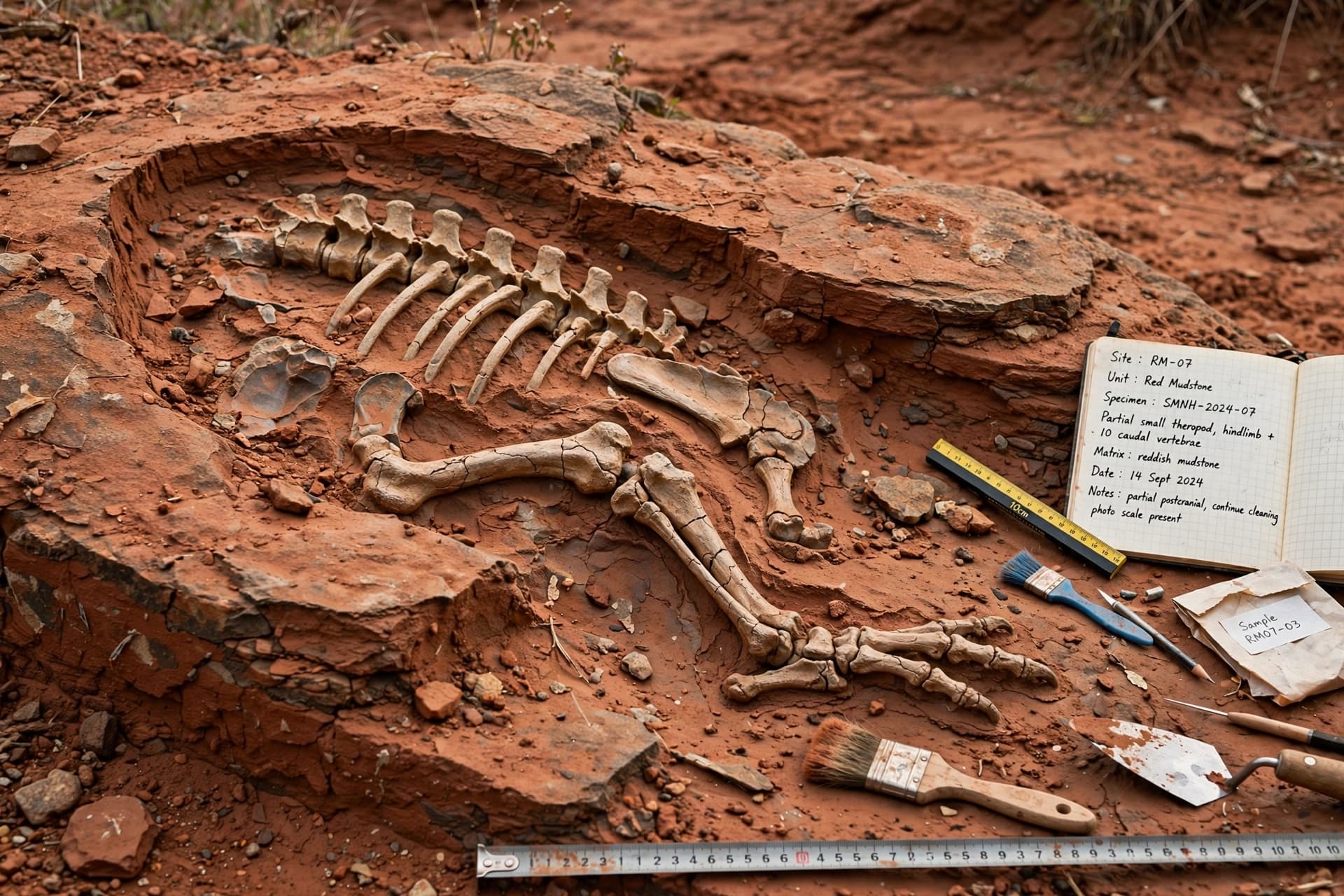
And even in the ankles and feet of many raptors, we see a theme of grip over slash. Studies comparing raptor claws with those of modern birds of prey suggest that enlarged, curved claws functioned more like hooks or crampons perfect for pinning and holding rather than cutting deep gashes, and hinting at parallels with predatory strategies seen in nature today.
These features the curved claws, flexible limbs, and powerful digits are not random curiosities. They are traces of evolutionary negotiation, of bodies shaped by the need to respond to a world both beautiful and unforgiving. In the quiet interplay of muscle and bone, of hunter and hunted, dinosaurs show us that the power of a grip is not simply a matter of strength, but of connection a way of engaging with the world that is at once practical and poetic.
And so, when we peer at fossils millions of years old, we glimpse more than anatomy: we see, in the arc of a claw or the joint of a wrist, the ancient echo of creatures who learned not just to live, but to hold on.
AI Image Disclaimer
“Visuals are created with AI tools and are not real photographs, and are intended to support conceptual understanding.”
Sources
National Geographic; Australian Museum; Wikipedia (Deinonychus, Dilophosaurus); PubMed Central (functional morphology).
Published by Banx Network. This article is part of the Banx decentralized media programme, powered by the BXE token on the XRP Ledger.