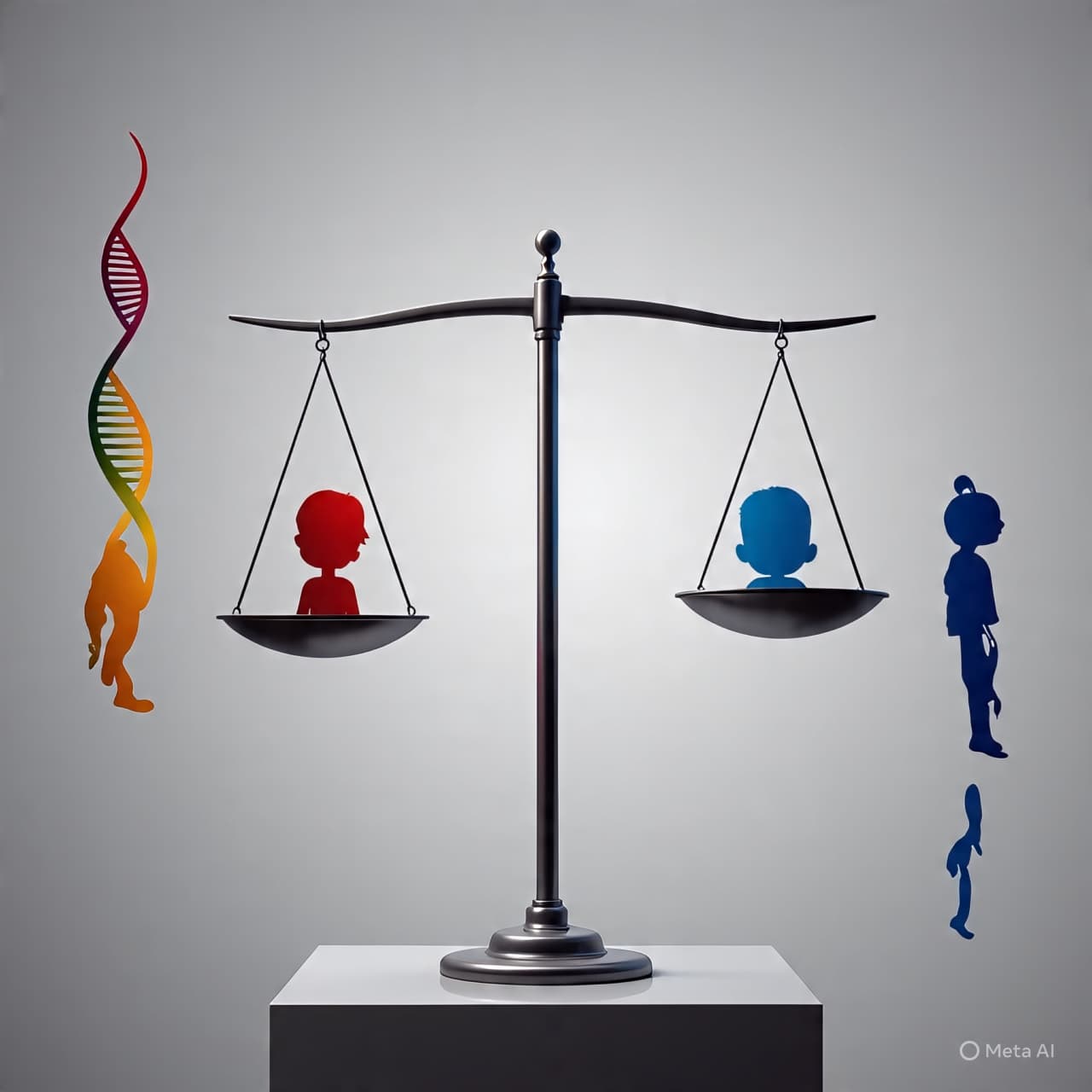
Viewpoint: The Potential Dark Side of the Elitist Movement to Make the ‘Best Babies’ Possible In recent years, a growing chorus of technologists, bioethicists, and startup founders has begun to champion new reproductive technologies — not only to help people have children, but to optimize those children’s genomes for health and other traits. What sounds like a futuristic aspiration to eliminate suffering also carries echoes of older, troubling ideas about which lives are worth living and who gets to decide. This movement’s promise — healthier, higher‑functioning babies — may mask deeper ethical risks that deserve careful reflection rather than uncritical enthusiasm.
The most visible proponents of this trend often come from elite tech and venture capital circles, where falling fertility rates have been cast as an economic and demographic crisis needing bold solutions. Some of these figures are actively funding and promoting assisted reproductive genetic technologies that go beyond preventing disease to enable selection based on traits that may include behavioral predictions or perceived “advantages.”
Critics worry that these efforts resemble, in important ways, ideas from the early 20th‑century eugenics movement, when society sought to improve future generations through selective breeding and social policies. Back then, such projects were explicitly rooted in beliefs about race, intelligence, and worth — beliefs that caused immeasurable harm and were rightfully discredited after being tied to coercion and discrimination. Today’s technologies are more sophisticated and often framed around individual choice, but the goals — achieving the “best” possible child — can echo the ideological underpinnings of earlier eugenics philosophies.
One concern is that widespread use of genetic selection could exacerbate social inequalities. If access to advanced screening and enhancement is limited by wealth or geography, children born with presumed genetic “advantages” might disproportionately come from privileged backgrounds, amplifying existing gaps in health and opportunity. Genetic enhancements that are not tied to preventing serious medical conditions could create social stratification along biological as well as economic lines.
Ethicists also point to the risk of pressure — explicit or subtle — on prospective parents to choose certain traits. Once technologies for selecting embryos based on non‑disease characteristics — such as polygenic scores for intelligence or height — become normalized, parents might feel compelled to adopt them, not out of desire, but fear of disadvantage. This bottom‑up eugenics, unlike top‑down government programs, would occur through private choices that collectively shape societal norms about what constitutes a “good” child.
A deeper philosophical question looms beneath the technological optimism: Is it meaningful — or morally sound — to define a “best” child? Human flourishing is influenced by far more than genetic variants, and attempts to rank potential lives risk reducing the richness of human diversity to simplistic criteria. Moreover, the long‑term consequences of editing or selecting for particular traits are poorly understood; unintended effects — genetic or social — may only become visible generations later.
There is a place for using genetic science to prevent serious heritable diseases and reduce suffering. But the leap from health optimization to trait enhancement and competitive advantage raises ethical stakes that mirror historical movements now widely condemned. A careful public conversation is essential — one that considers justice, autonomy, diversity, and the rights of future individuals, not just the aspirations of today’s parents or investors.
AI Image Disclaimer “Visuals are created with AI tools and are not real photographs.”
📰 Sources Genetic Literacy Project The Washington Post (reporting on embryo screening trends) Ethical overview of eugenics and modern concerns Ethical/legal considerations in polygenic embryo screening Analysis of social implications of genetic selection
Published by Banx Network. This article is part of the Banx decentralized media programme, powered by the BXE token on the XRP Ledger.