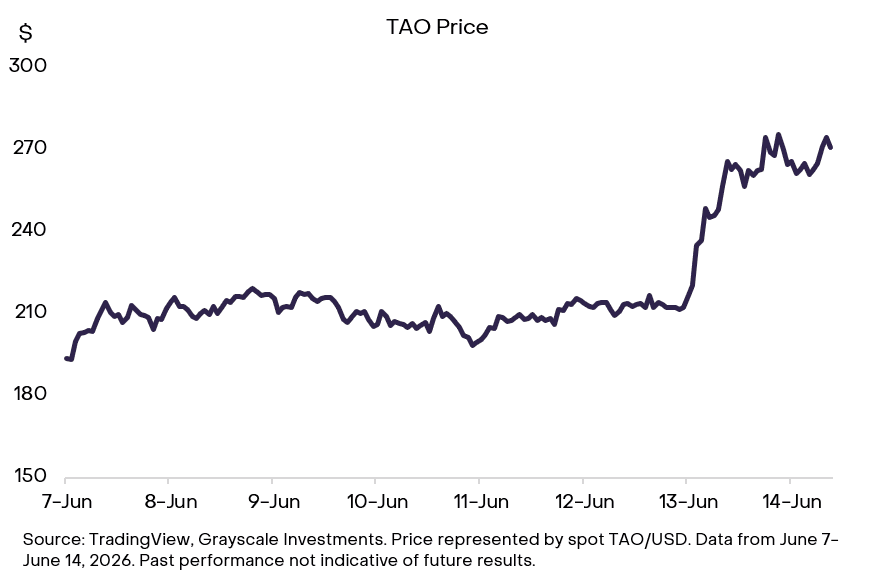
The debate between centralized and decentralized artificial intelligence models is becoming increasingly prominent as the AI industry expands at a rapid pace. Advocates of decentralized AI argue that distributing computing resources, governance, and development across global networks can reduce dependence on a small number of powerful organizations while promoting greater openness and resilience. Supporters contend that centralized AI systems may face greater exposure to regulatory intervention, infrastructure bottlenecks, and single points of failure. Because major AI platforms are often operated by a limited number of companies, changes in government policy, compliance requirements, or corporate strategy can significantly influence how these systems are developed and deployed. Decentralized AI projects seek to address these concerns by creating networks that allow participants around the world to contribute computing power, models, data resources, and expertise. Proponents believe this structure encourages innovation while reducing barriers to access. Open-source development practices are often a key component of such ecosystems, enabling broader participation and transparency. The concept has attracted growing attention from investors and technology enthusiasts. Some market participants view decentralized AI as a natural extension of blockchain technology, combining distributed infrastructure with machine-learning capabilities. Rising interest has contributed to increased activity across several projects operating within the sector. Advocates argue that decentralized systems can provide greater resistance to censorship and encourage competition by reducing reliance on a handful of dominant providers. They also suggest that community-driven networks may accelerate experimentation and allow developers to build applications without depending on centralized gatekeepers. Critics, however, note that decentralized approaches face significant challenges. Coordinating large networks, ensuring consistent performance, maintaining security standards, and delivering reliable user experiences can be difficult at scale. Centralized providers often benefit from substantial resources, established infrastructure, and operational efficiencies that remain difficult for distributed systems to match. The discussion reflects broader questions about the future direction of artificial intelligence. As demand for AI services continues growing, policymakers, investors, developers, and businesses must determine which governance and infrastructure models are best suited to support innovation while maintaining security and accountability. Whether centralized or decentralized approaches ultimately dominate, the conversation illustrates the evolving nature of the AI industry. Emerging technologies continue to reshape assumptions about how intelligence systems are built, distributed, and governed in an increasingly digital global economy.
Published by Banx Network. This article is part of the Banx decentralized media programme, powered by the BXE token on the XRP Ledger.