By the twenty-sixth day, time begins to feel less like a sequence and more like a layering—moments folding into one another until the distinction between yesterday and today softens at the edges. In cities across the Middle East, routines persist in fragments: a shop opens, a road fills, a conversation pauses at the sound of distant movement overhead. Life continues, but with a heightened awareness, as though each hour carries more than its share of meaning.
It is within this prolonged rhythm that Iran has signaled its rejection of a 15-point plan proposed by the United States, a framework intended to shape a possible pause in hostilities. The plan, described in broad terms as addressing ceasefire conditions and regional security arrangements, arrives as part of an ongoing diplomatic effort to contain a conflict that has already extended across multiple fronts and actors.
Tehran’s response has been measured yet firm, indicating that the proposal does not align with its conditions or expectations. While the full details of both the plan and Iran’s counterpositions remain partially undisclosed, the refusal underscores a familiar dynamic in moments of negotiation: agreement is not only about terms, but about timing, trust, and the balance of leverage. Each side enters such discussions carrying not only immediate concerns but the weight of longer histories.
On the ground, the conflict continues to unfold in parallel with these exchanges. Strikes and counter-strikes persist across the region, shaping a landscape in which diplomacy and action move simultaneously rather than sequentially. The idea of a ceasefire, in this context, becomes less a fixed endpoint and more a shifting possibility—something that exists in conversation even as events on the ground move forward.
For regional actors, the continuation of hostilities reinforces a sense of uncertainty that extends beyond national borders. Neighboring countries monitor developments closely, adjusting their own positions in response to both immediate risks and longer-term implications. The interconnected nature of the region means that no single development remains isolated; each action resonates outward, influencing calculations elsewhere.
The United States, as both a participant in diplomacy and a broader strategic actor, faces the challenge of balancing multiple priorities. Its proposal reflects an effort to establish parameters for de-escalation, yet its reception highlights the limits of external frameworks in conflicts where local dynamics remain decisive. The interplay between global influence and regional autonomy becomes particularly visible in such moments.
Amid these larger movements, the human dimension persists in quieter forms. Communities adapt to the continuation of conflict, adjusting routines and expectations in ways that are often subtle but cumulative. The passage of days—now counted in weeks—creates a sense of duration that shapes both perception and response, as uncertainty becomes part of the everyday.
As the situation reaches this point in its timeline, the facts settle into a clear, if unresolved, outline: on the twenty-sixth day of the ongoing Middle East conflict, Iran has rejected a 15-point ceasefire-related plan proposed by the United States; hostilities continue across the region even as diplomatic efforts remain active; the prospect of de-escalation exists, but without immediate agreement. In the space between proposal and refusal, the conflict carries on—its course defined not only by what is decided, but by what remains, for now, beyond agreement.
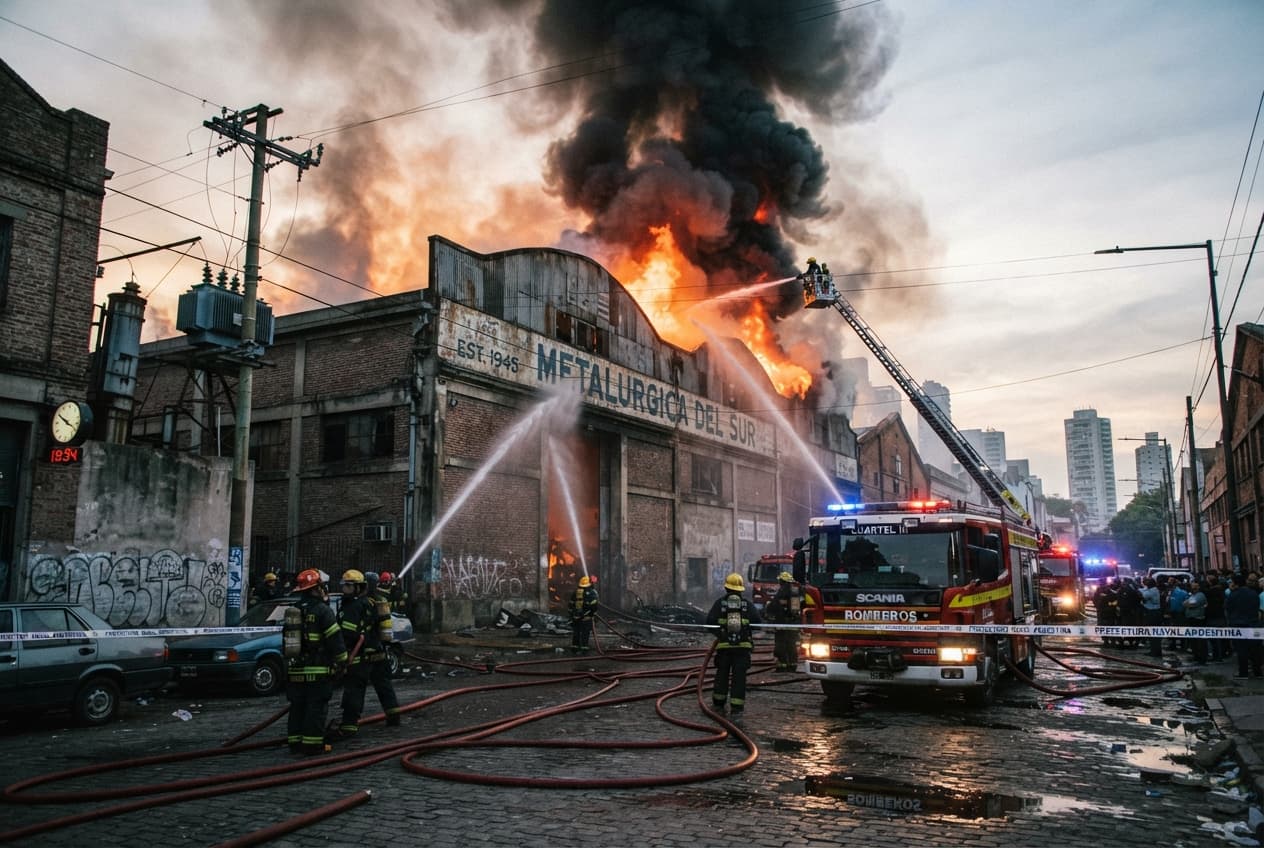
AI Image Disclaimer Visuals are AI-generated and serve as conceptual representations.
Sources Reuters BBC News Al Jazeera Associated Press The New York Times
Published by Banx Network. This article is part of the Banx decentralized media programme, powered by the BXE token on the XRP Ledger.