In the intricate dance of governance, few steps are as contentious as those involving surveillance and privacy. Texas Governor Greg Abbott’s decision to block funding for Flock Safety cameras has ignited a rare spark of bipartisan outrage, bringing together voices from across the political spectrum. This move underscores the delicate balance between public safety and civil liberties, a tension that resonates deeply in an era of increasing digital scrutiny.
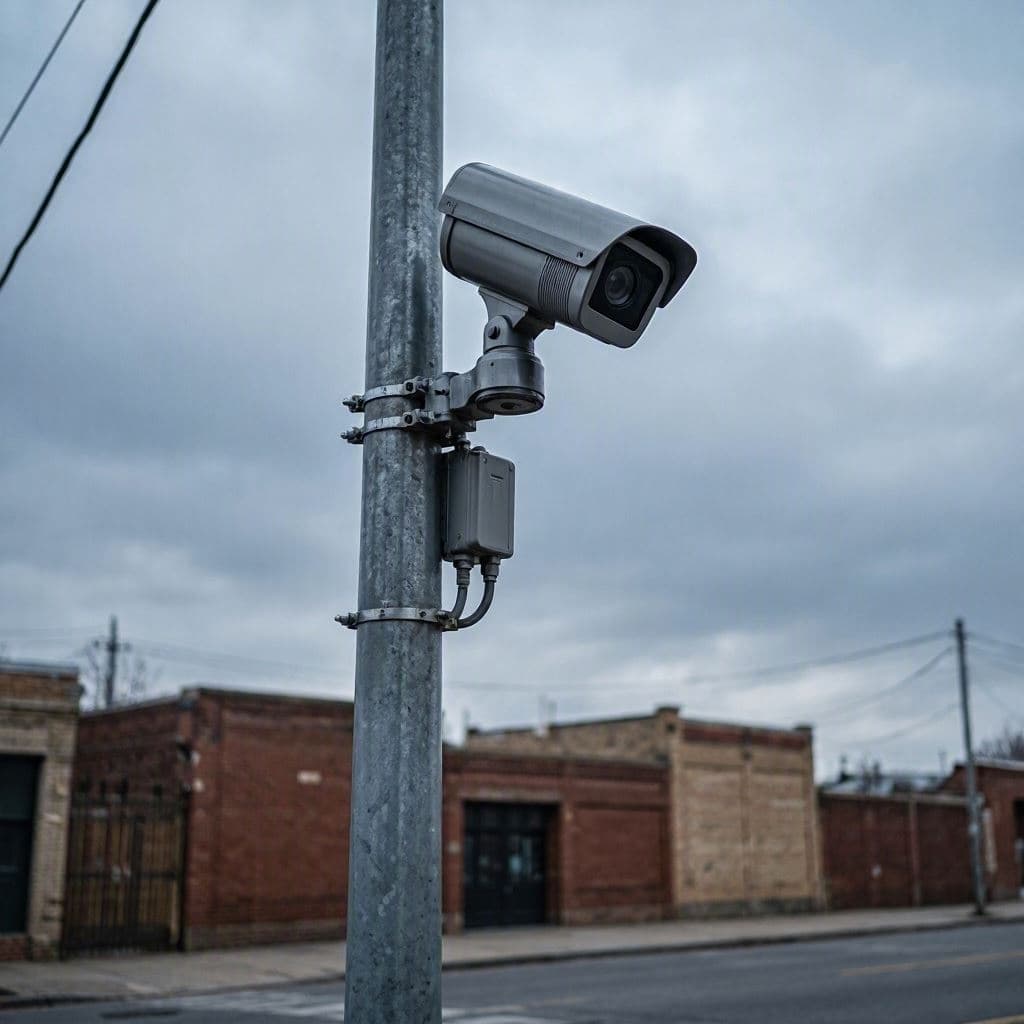
Flock cameras, designed to track license plates and aid in crime resolution, have become a staple in many communities. Proponents argue they are essential tools for law enforcement, helping to solve crimes quickly and deter criminal activity. However, critics raise concerns about data retention, potential misuse, and the erosion of anonymity in public spaces.
Governor Abbott’s veto reflects a growing skepticism toward expansive surveillance technologies. By withholding funds, he signals a preference for caution, prioritizing privacy rights over the perceived benefits of automated tracking. This stance aligns with a broader libertarian streak in Texas politics, where individual freedom is often held paramount.
The bipartisan nature of the backlash is particularly noteworthy. Typically divided on issues of law and order, Democrats and Republicans alike have expressed concern over the lack of transparency and oversight associated with these systems. This unity suggests that privacy is becoming a unifying value, transcending traditional party lines.
For local law enforcement agencies, the loss of funding presents a logistical challenge. Many have come to rely on the technology for investigative leads, and its absence may require them to revert to more traditional, labor-intensive methods. The transition will require adaptation and potentially new strategies for maintaining public safety.
Community advocates welcome the governor’s decision, viewing it as a victory for civil rights. They argue that safety should not come at the cost of constant monitoring. The debate now shifts to how communities can achieve security without compromising the fundamental right to move freely without being tracked.
As the dust settles, the conversation about surveillance in Texas will continue. The veto serves as a catalyst for deeper dialogue about the role of technology in policing. It invites citizens and policymakers to define the boundaries of acceptable observation in a free society.
Governor Abbott’s block on funding for Flock cameras has sparked bipartisan criticism, highlighting the ongoing tension between surveillance technology and privacy rights in Texas.
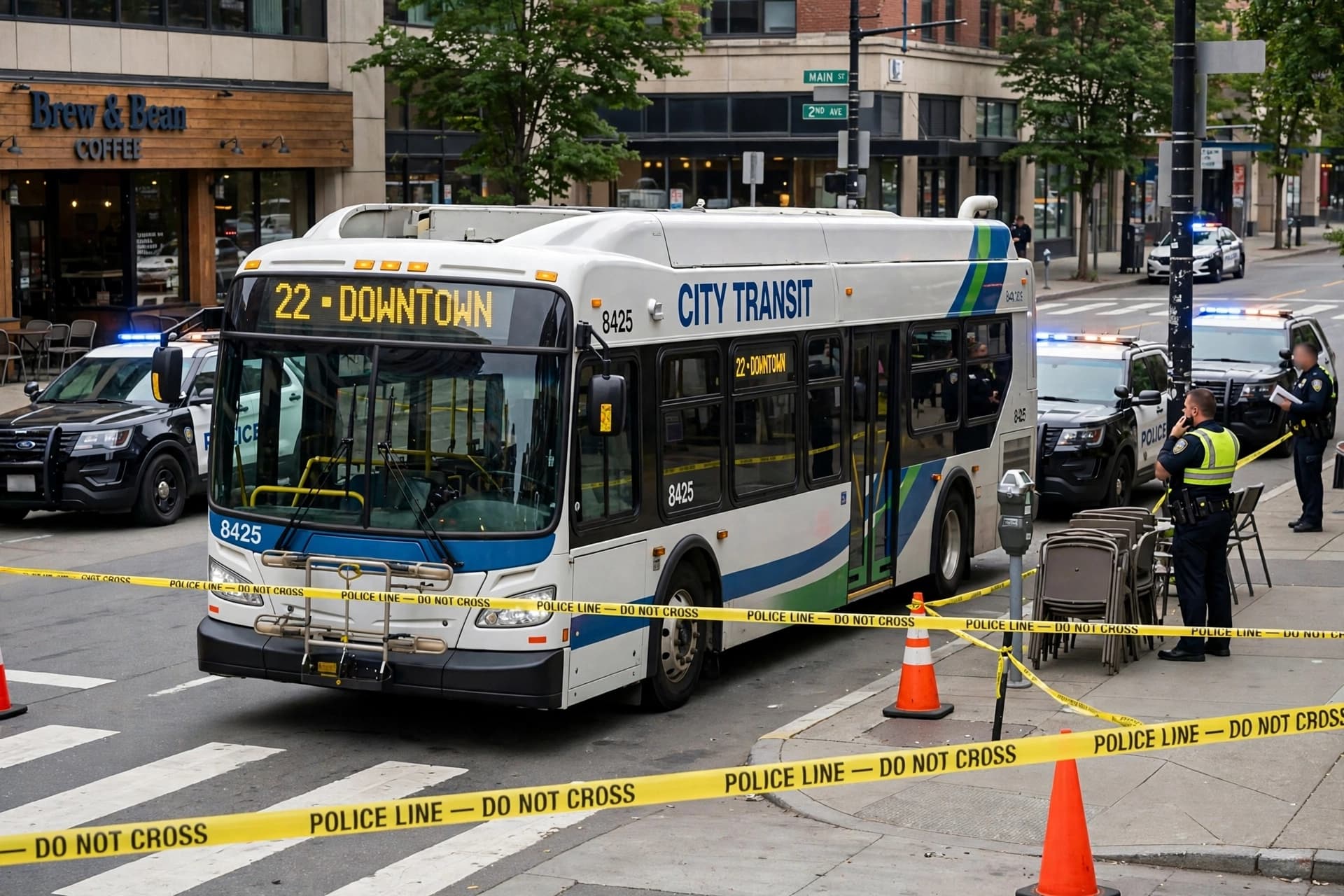
AI Image Disclaimer: The images associated with this article are AI-generated and serve as visual interpretations rather than documentary evidence.
Sources: The Texas Tribune Dallas Morning News Associated Press
Published by Banx Network. This article is part of the Banx decentralized media programme, powered by the BXE token on the XRP Ledger.