Bureaucracy rarely announces itself as a problem until it begins to slow the rhythm of a company built on speed. At Amazon, a place once defined by relentless motion and constant reinvention, that friction has become visible enough to demand correction — not through slogans, but through subtraction.
Amazon is laying off about 16,000 corporate employees as part of what executives have described as an effort to reduce bureaucracy and simplify decision-making. The cuts affect roles across multiple divisions, adding to a series of workforce reductions that have reshaped the company since its pandemic-era expansion.
The move reflects a deeper shift inside the company. After years of rapid hiring to support e-commerce growth, cloud computing, and new ventures, Amazon has been working to flatten layers of management and reassert a culture it says prioritizes builders over process. Internal messaging has emphasized speed, accountability, and smaller teams empowered to act without excessive oversight.
For those affected, the language of efficiency offers little comfort. Corporate roles — often far removed from warehouses and delivery routes — have become the focus of restructuring as Amazon reassesses where value is created and where it believes it has accumulated organizational drag. The layoffs follow earlier reductions that eliminated tens of thousands of jobs, signaling that the recalibration is ongoing rather than episodic.
The broader context matters. Growth has slowed from its pandemic highs, investors have grown more sensitive to costs, and artificial intelligence has emerged as a new center of spending and strategic attention. In that environment, headcount is no longer just a measure of ambition, but of discipline.
Amazon’s leadership has framed the cuts as necessary to preserve long-term competitiveness. Fewer layers, they argue, mean faster decisions and clearer ownership. Critics counter that repeated layoffs risk eroding morale and institutional knowledge, particularly in a company whose scale already challenges cohesion.
What remains is a familiar tension in modern corporate life: the desire to move fast inside structures that have grown large by design. Amazon is betting that less will once again feel like more — that by trimming the architecture around its core, it can recover the urgency that once defined it.
For the thousands leaving, the push against bureaucracy is deeply personal. For the company, it is strategic. And for the tech industry watching closely, it is another signal that the era of unchecked expansion has given way to something leaner, sharper, and far less forgiving.
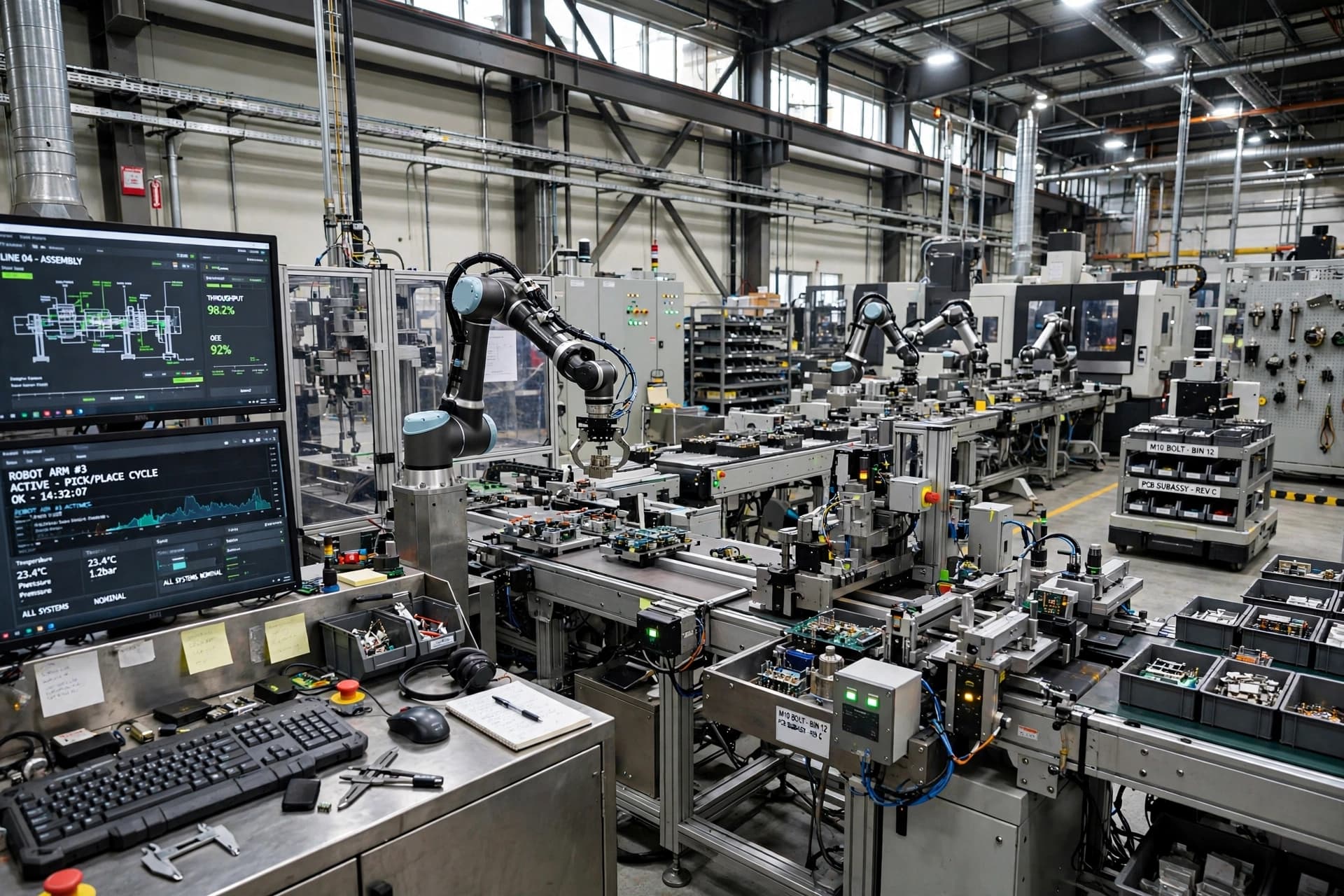
AI Image Disclaimer Illustrations were created using AI tools and are not real photographs.
Sources Reuters Bloomberg The Wall Street Journal
Published by Banx Network. This article is part of the Banx decentralized media programme, powered by the BXE token on the XRP Ledger.