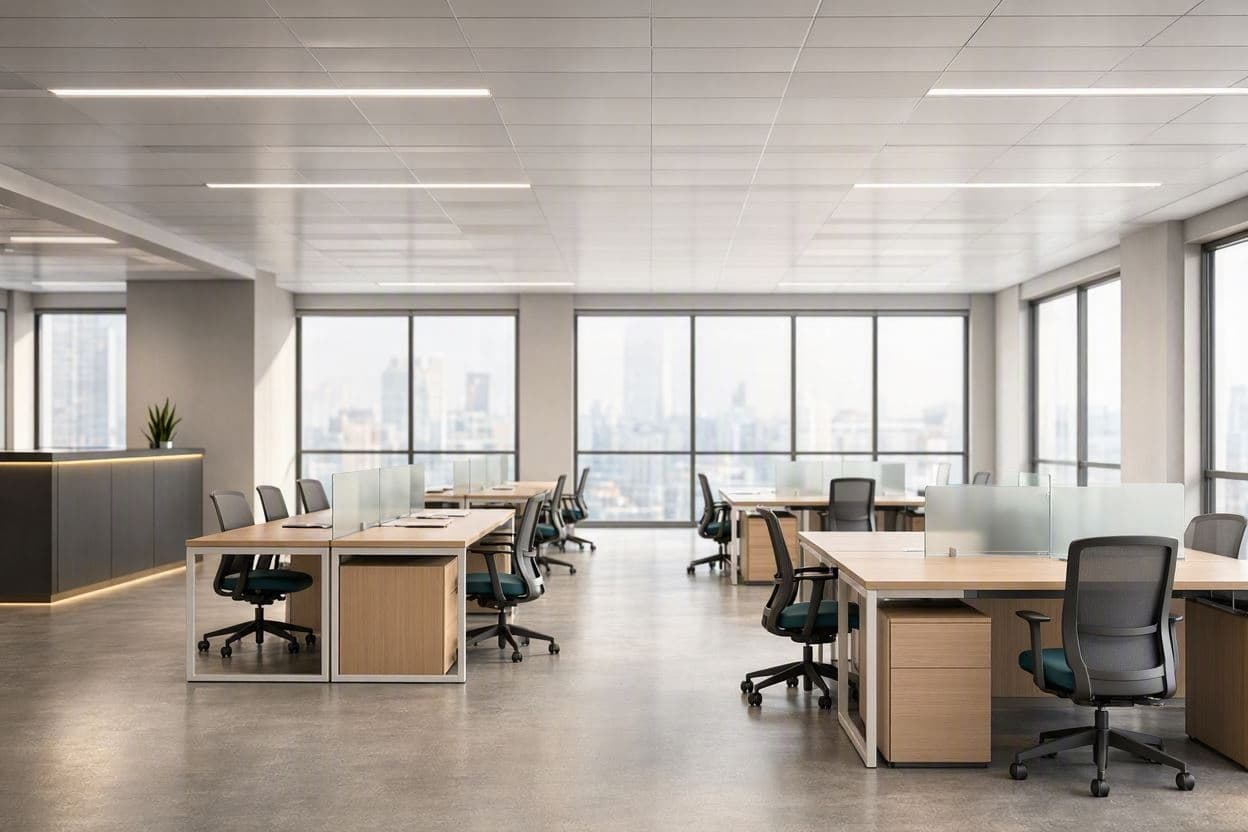
The return to the office has been a defining theme of the post-pandemic workplace, bringing with it expectations of renewed collaboration and presence. For Canada’s federal public service, a mandate to increase on-site days has encountered a practical hurdle: physical space. Recent reports indicate that approximately 10 percent of federal employees are unable to meet the increased attendance requirements simply because there are not enough desks or workstations available in government buildings.
This shortage highlights the complexities of managing a workforce that adapted to remote work during the global health crisis. Many departments had reduced their real estate footprints, subletting offices or consolidating locations to save costs. Now, as the government pushes for a minimum of four days a week in the office, the infrastructure has not always kept pace with the policy. The result is a logistical bottleneck that affects productivity and employee morale.
For public servants, the situation creates uncertainty and frustration. Some report arriving at their designated workplaces only to find no available seating, forcing them to work from common areas or return home. This inconsistency undermines the goal of fostering a cohesive office culture. Instead of facilitating collaboration, the lack of space can lead to disjointed experiences and feelings of being undervalued by the administration.
Union representatives have voiced concerns about the planning behind the return-to-office mandate. They argue that without adequate investment in workspace upgrades or flexible scheduling solutions, the policy sets employees up for failure. The discrepancy between expectation and reality suggests a need for more nuanced strategies that consider the diverse operational needs of different departments and regions.
Government officials acknowledge the challenge and state that efforts are underway to optimize space usage. This includes implementing hot-desking systems, renovating underutilized areas, and encouraging staggered schedules to reduce peak occupancy. However, these measures take time to implement effectively, and in the interim, many workers remain caught in a transitional limbo.
The issue also raises questions about the long-term future of public sector workspaces. As hybrid models become the norm, the design of offices may need to evolve from rows of individual desks to more collaborative hubs. Investing in flexible, multi-use spaces could better accommodate fluctuating attendance patterns while supporting the types of work that benefit most from in-person interaction.
For taxpayers and stakeholders, the efficiency of the public service is paramount. Ensuring that employees have the resources they need to perform their duties is essential for delivering government services effectively. Addressing the space shortage is not just a matter of comfort but of operational capacity and public trust.
In the end, the path forward requires balance and adaptation. By listening to the experiences of public servants and adjusting policies accordingly, the government can create a work environment that is both productive and sustainable. The goal is a system that supports employees in serving the public, regardless of where their desk may be on any given day.
AI Image Disclaimer: Images used in this article are AI-generated to represent the themes of office work and spatial constraints, avoiding any depiction of specific government buildings or identifiable employees.
Sources: CBC News, Global News, PSAC (Public Service Alliance of Canada), Policy Options
Published by Banx Network. This article is part of the Banx decentralized media programme, powered by the BXE token on the XRP Ledger.