Key Highlights
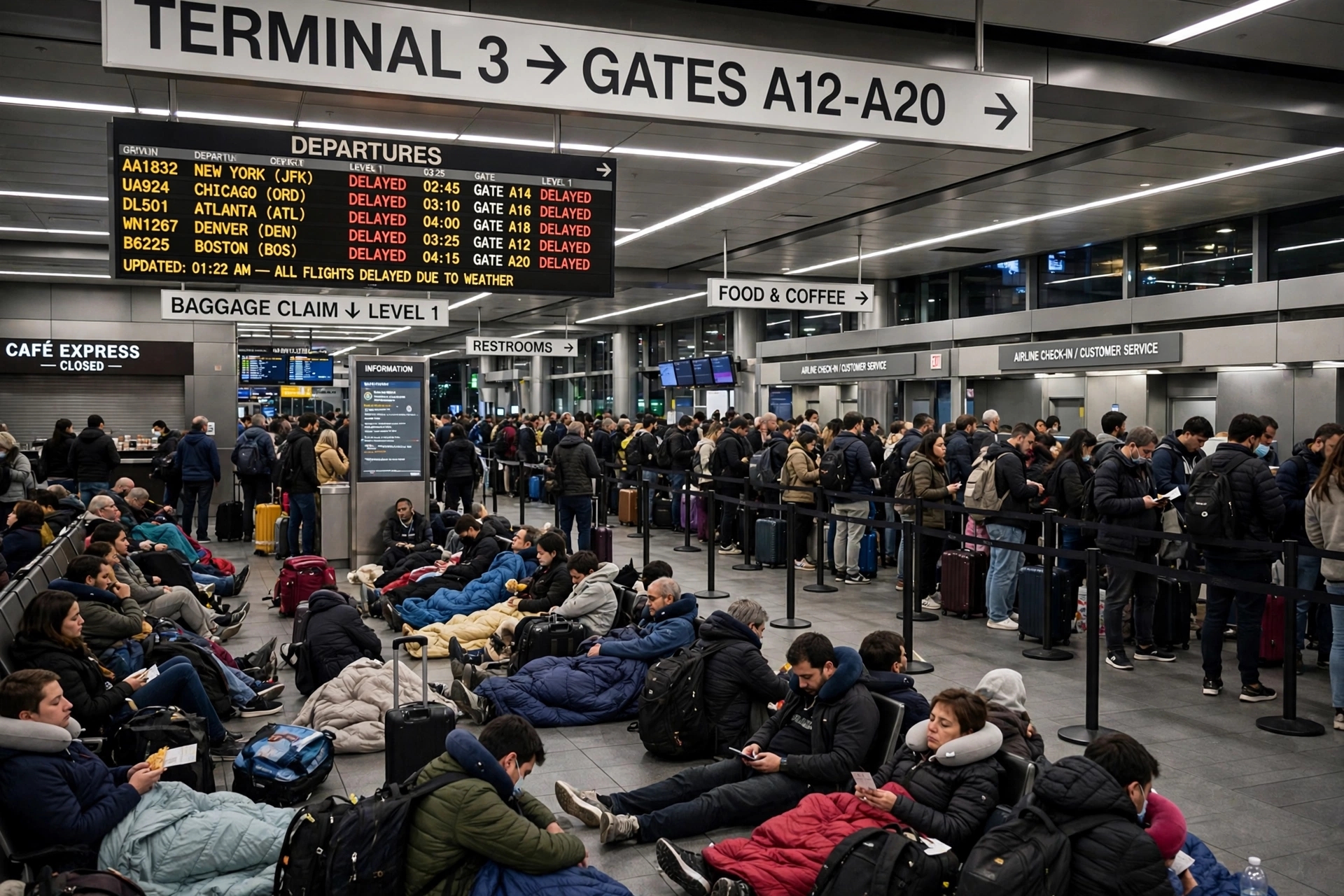
- Ground Stop:The FAA issued a nationwide ground stop, halting all departures.
- Flight Impact:Over 4,700 flights were canceled and 10,000 delayed.
- System Failure:Aging equipment caused the disruption, prompting calls for urgent upgrades.
On Friday afternoon, a rare silence enveloped airports across the United States as the Federal Aviation Administration (FAA) implemented a nationwide ground stop, the first of its kind since the September 11 attacks in 2001. This unprecedented measure halted all departures, leaving thousands of passengers stranded and flights in limbo. The cause of this disruption was not a natural disaster or a security threat, but rather a failure in the aging technology that supports air traffic control.
Transportation Secretary Sean Duffy explained that the issue stemmed from problems with the switches and routers that relay data between air traffic control centers. These systems, which have been underfunded and neglected, became overloaded and ultimately failed. Duffy characterized the situation as an emergency, urging Congress to allocate funding for a comprehensive upgrade of the aviation infrastructure, which he estimated would cost around $50 billion. He emphasized the need for immediate action to prevent future outages, stating, "We didn't think we would have this kind of outage. We did."
At the time the ground stop was initiated, approximately 3,000 to 3,500 planes were airborne. While these flights were permitted to land, no new departures were allowed. By the time the ground stop was lifted around 8:30 p.m. Eastern, the fallout was significant: more than 4,700 flights had been canceled, and 10,000 were delayed, according to FlightRadar24. Major airlines, including JetBlue and Air Canada, suspended operations, further complicating travel plans for millions.
Passengers faced a frustrating experience as communication from airlines was slow and often contradictory. Emily Brown, who was at the Dallas airport with her daughter, expressed her frustration, saying, "They aren't communicating anything. We're just waiting. All of us passengers are kind of learning information from each other." Similarly, Chad Beverage, traveling with his son, lamented the lack of clear updates, highlighting the confusion and anxiety that arose during the prolonged wait.
The recovery from this disruption is expected to take time. Duffy warned that the normalization of flight operations would not be immediate, with over 2,500 flights canceled and hundreds more delayed the following day. Airlines were forced to reposition aircraft and crews, creating a ripple effect that would impact travel for days. Airports like LaGuardia and JFK advised travelers to anticipate continued delays and cancellations as the system struggled to regain its footing.
The implications of this incident extend beyond immediate travel inconveniences. The FAA's modernization efforts, which began last year with a $12.5 billion investment to replace outdated infrastructure, underscore the urgent need for systemic improvements. Duffy's acknowledgment of the potential for future outages raises critical questions about the reliability of the systems that underpin American aviation. As the nation grapples with the fallout from this incident, it is clear that the infrastructure supporting air travel requires significant attention and investment to ensure safety and efficiency in the future.
Published by Banx Network. This article is part of the Banx decentralized media programme, powered by the BXE token on the XRP Ledger.