In political life, there are moments that seem almost ritualistic — gatherings of party members, announcements beneath flags and banners, debates over procedure. Yet sometimes, these moments carry a deeper current, an undercurrent of identity, ambition, and the question of who gets to define the future of a movement. This week, such a moment has unfolded within the Labour Party, drawing attention not just to the mechanics of selecting a candidate, but to the unseen interplay between local voice and central authority.
At the heart of the debate is whether Andy Burnham, the mayor of Greater Manchester and long-standing figure in British politics, should be allowed to stand in the upcoming Gorton and Denton by-election. This contest came about after former Labour MP Andrew Gwynne resigned his seat for health reasons, opening a path back to Westminster for Burnham — should party rules and internal decision-makers permit it. Under Labour’s internal regulations, sitting elected mayors must receive approval from the party’s National Executive Committee (NEC) before they can seek selection as a parliamentary candidate, and that committee includes many allies of the current leadership.
In this context, Angela Rayner, former deputy prime minister and a powerful voice within the party, has signalled her support for Burnham being allowed to stand. She is expected to make her position clear at Labour’s north-west regional conference, urging that members themselves be allowed to choose their candidate for the seat, rather than central figures pre-emptively block his bid. Her intervention puts pressure on the NEC and reflects broader unease among some Labour backbenchers and union leaders about denying a respected regional leader the opportunity to contest a seat.
The conversation is not merely about one by-election. For many, it also touches on how democracy functions within political parties — the balance between local member choice and national strategy, between accommodating aspiration and maintaining cohesion. Burnham, once considered a potential contender for the party’s leadership, has both staunch supporters and cautious observers within Labour. Some worry that his return to Parliament could spark internal discord or distract from broader electoral priorities; others see it as a chance to revitalise the party’s connection with voters, especially in key northern seats that have felt overlooked.
Meanwhile, Sir Keir Starmer’s allies within the party’s leadership apparatus have not yet signalled clear support for Burnham, and the NEC’s endorsement remains the gating point for his candidacy. The clock is short: Burnham must decide whether to seek selection, and any endorsement or blockade could shape the narrative not just of a single by-election, but of Labour’s internal balance of power in the months ahead.
Yet beyond the procedural manoeuvres and political strategy lies a more human story — of a community considering who it trusts to speak for it, of a movement wrestling with the tension between unity and debate, and of the subtle ways in which individual ambition and collective purpose can converge or clash. For party members and voters alike, watching these developments unfold is a reminder that democracy is never merely a set of rules, but a conversation about who we are and how we choose to represent ourselves.
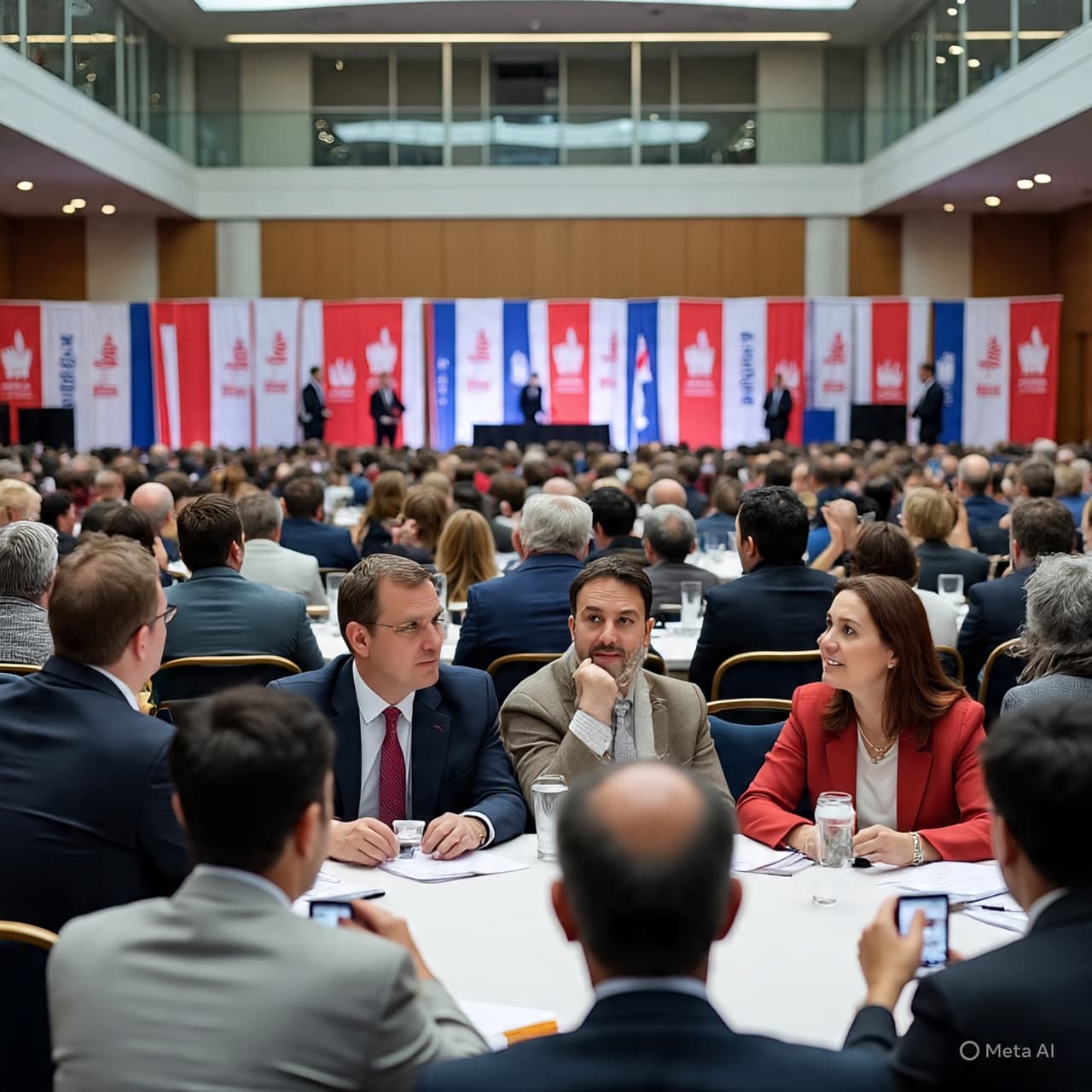
AI Image Disclaimer Images in this article are AI-generated illustrations, meant for concept only.
Sources The Guardian Sky News Financial Times GB News The Telegraph BBC reporting via news outlets
Published by Banx Network. This article is part of the Banx decentralized media programme, powered by the BXE token on the XRP Ledger.