Solar eclipses are celestial events that captivate the imagination, drawing millions to witness the moon’s shadow sweep across the Earth. In August 2026, a total solar eclipse will grace the skies, but its path of totality will remain far from North America. For residents of Oklahoma, the question arises: can they witness this spectacular event? The answer is nuanced, inviting reflection on the geometry of our solar system and the partial nature of visibility. It is a moment where proximity does not guarantee full participation, yet wonder remains accessible.
The path of totality for the August 12, 2026 eclipse will cross Greenland, Iceland, Spain, and Russia. Oklahoma lies well outside this narrow corridor, meaning residents will not experience the dramatic darkness of totalities. Distance defines experience. Geometry dictates view.
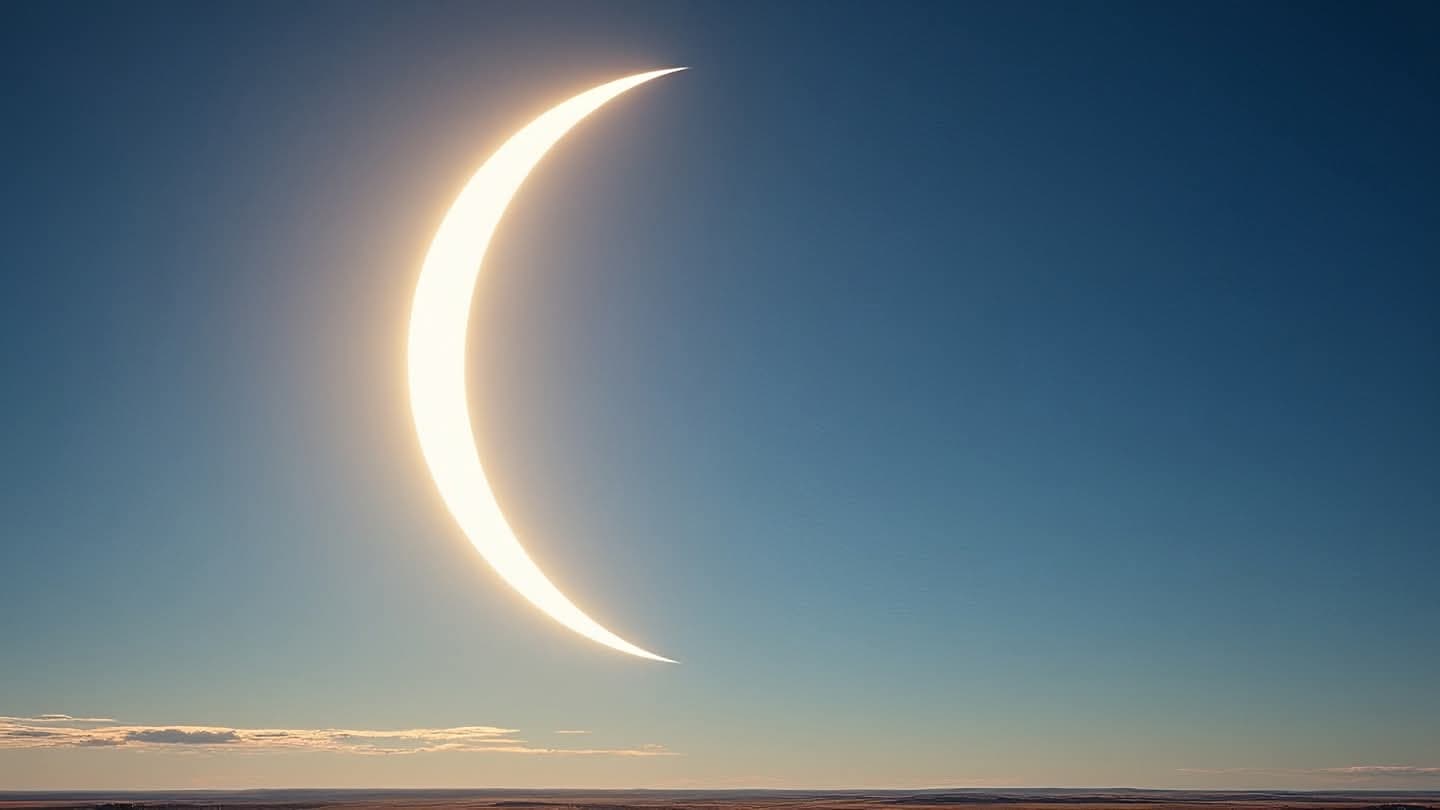
However, Oklahomans will still be able to observe a partial solar eclipse. Depending on the specific location within the state, the moon will cover a significant portion of the sun’s disk, creating a crescent shape in the sky. Partiality still inspires awe. Shadow brings interest.
Safety is paramount when viewing any solar eclipse. Specialized eclipse glasses or indirect viewing methods are required to protect eyes from harmful solar radiation. Protection ensures enjoyment. Caution preserves sight.
Local astronomy clubs and science centers are likely to organize viewing events, providing telescopes with proper filters and educational resources. Community enhances experience. Shared wonder binds people.
While it may not be the total eclipse many hope for, the partial view offers a chance to connect with the cosmos and appreciate the precise movements of celestial bodies. Observation connects us. Nature inspires humility.
Oklahomans will not see the total solar eclipse of August 12, 2026, as the path of totality passes over Europe and Greenland. However, a partial eclipse will be visible, offering a safe and engaging viewing opportunity. The hope is for clear skies and successful community viewing events.
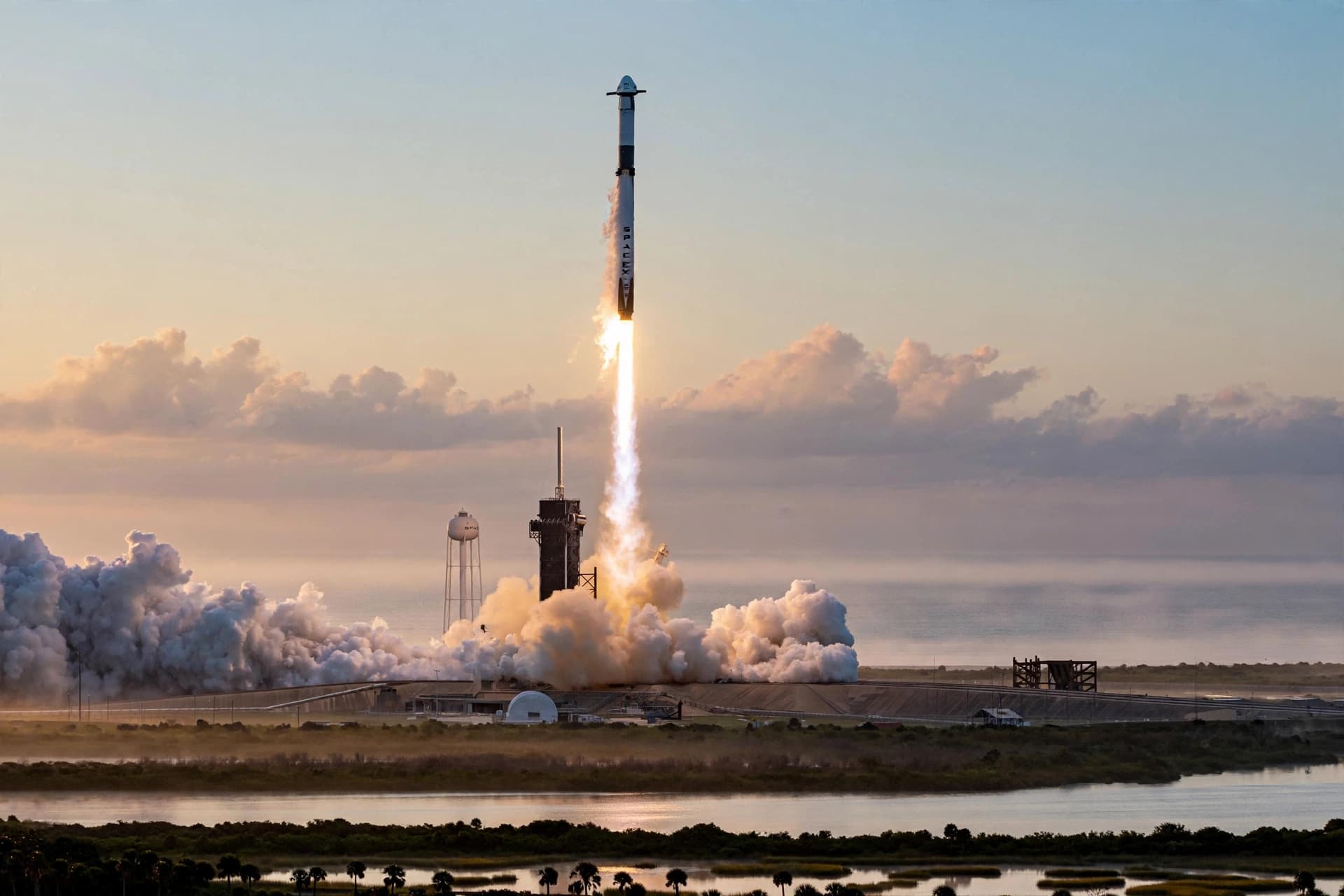
AI Image Disclaimer: The images provided are AI-generated to visually represent the astronomical and observational aspects of the story.
Sources: NASA Timeanddate.com National Solar Observatory
Published by Banx Network. This article is part of the Banx decentralized media programme, powered by the BXE token on the XRP Ledger.