When the holiday lights begin to glow and the air carries a chill of December, many expect conversations of family, warmth, and the comfort of routine. Yet in parts of South Carolina’s Upstate, a different sort of urgency has taken hold — one measured in quiet phone calls, distant classroom windows, and the careful counting of days that hundreds must remain apart from one another. A familiar childhood illness, long relegated to the pages of history books, has found a foothold once again, and with it, a community in cautious pause.
Measles, a virus declared eliminated in the United States in 2000, has surged back into the public eye with unusual swiftness. In Spartanburg and neighboring counties, health authorities have confirmed at least 111 cases as of this week, a figure that has crept upward with each passing report. The outbreak’s acceleration — a term echoed by state epidemiologists — has prompted officials to place more than 250 residents, including schoolchildren and adults alike, into quarantine after possible exposure.
In schools that once buzzed with the easy cadence of classroom chatter, now there are empty desks and hushed hallways, reminders of how swiftly a virus can alter routines. At Way of Truth Church in Inman, gatherings that nurtured community have become part of the outbreak’s story, as exposures traced back to such shared spaces ripple outward into homes and neighborhoods.
Health leaders speak with measured gravity about what has unfolded. Dr. Linda Bell, the state’s epidemiologist, has noted that recent increases — including dozens of new cases reported in just days — reflect both the virus’s infectiousness and the region’s lower vaccination rates, which fall short of the thresholds experts say are needed to curb widespread transmission.
The quarantine orders — which can last up to three weeks from the last known exposure — extend beyond a single classroom or household, touching families, workplaces, and community routines. Some students find themselves in quarantine for a second time, the cycle of exposure and isolation threading through the closing weeks of the school year.
Measles spreads with a quiet speed that defies the eye, transmitted through the air by breath and cough, lingering in shared spaces long after an infected person has left. This quality has made it one of the most contagious diseases known to medicine, and even brief contact can carry risk.
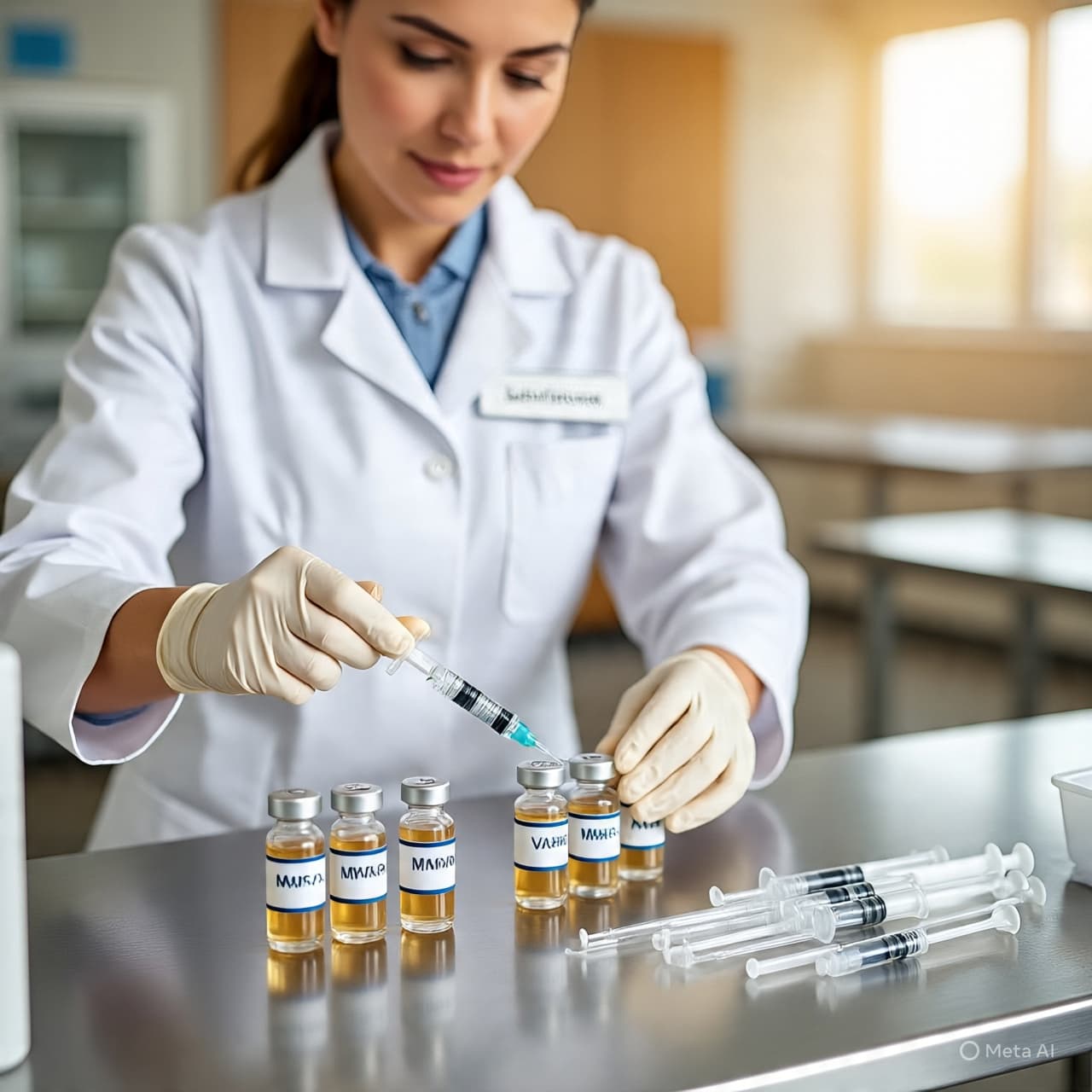
Public health officials, while emphasizing the necessity of quarantine to protect broader communities, also underscore the role of vaccination as the best available defense. The measles, mumps, and rubella (MMR) vaccine, when administered on schedule, offers robust protection — a reminder of how collective immunity can be both shield and safeguard.
Across the United States, measles has shown similar momentum this year, with nearly 2,000 confirmed cases nationwide, a level not seen in decades. South Carolina’s situation is emblematic of a broader trend in which clusters of unvaccinated individuals find themselves vulnerable once more to a virus long thought dormant.
Amid quarantine notices and health briefings, families adapt to a new rhythm of meal times at home, remote learning, and the long count of days marked by calendars and caution. There is a collective wish for return — to bustling hallways and unmarked calendars — even as awareness grows of how delicate that return can be.
In the glow of winter’s early nights, the hope is not only for the containment of cases but for conversations that bridge caution with care, science with shared responsibility, and a community’s present challenge with its future well-being.
AI Image Disclaimer “Visuals are created with AI tools and are not real photographs.”
Sources
• The Washington Post
• Associated Press
• The Guardian
• NBC News
• Xinhua / Scripps News
Published by Banx Network. This article is part of the Banx decentralized media programme, powered by the BXE token on the XRP Ledger.