In a conversation about creation, some metaphors feel especially fitting: a spark that ignites, a brushstroke that reveals color, or in today’s world, a series of keystrokes guided by intuition and assisted by machines. For many years, building software felt reserved for a particular kind of mind — one that spoke fluently in code. But for one Meta product manager, a discovery in mid-2024 changed that landscape, inviting a different kind of participation in the act of building.
Zevi Arnovitz, a product manager at Meta with no formal technical background, described a pivotal moment on Lenny’s Podcast when AI tools began to feel less like assistants and more like collaborators. Using tools known among some developers as “vibe coding,” he said the experience felt like being handed “superpowers,” expanding what he could contribute beyond coordination and planning to helping create and execute real product work — something once thought to belong only to engineers.
At its heart, vibe coding leans on advanced AI systems that can translate natural language instructions into working code snippets, prototypes, or feature outlines. Arnovitz explained how he uses a mix of AI tools — including Cursor and models from Anthropic and Google — to ideate, generate plans, produce functional code, and even update documentation. This integration reshapes his daily workflow, enabling him to explore product ideas more fully and test them in a hands-on way that was previously outside his technical comfort zone.
Rather than acting purely as a liaison between engineering and design teams, Arnovitz now operates in a space that blurs those boundaries, moving toward what some might call a product owner mindset. The shift reflects a broader trend in which non-technical professionals — designers, strategists, and product managers — increasingly dip into creation in ways once reserved for trained coders.
Still, he was careful to note that AI doesn’t replace expertise. Complex infrastructure work, deep system design, or foundational architectural changes remain firmly in the domain of experienced engineers. For now, AI-assisted coding serves as an enabler for smaller interface projects, rapid prototyping, and iterative exploration — especially when the resulting work is reviewed and refined by technical teams before deployment.
What Arnovitz’s experience suggests is not that traditional roles are obsolete, but that technology can broaden who gets to participate in the creative process. He believes that as AI tools evolve — and as teams develop better collaborative practices — titles and responsibilities will become more fluid, fostering environments where multidisciplinary collaboration feels natural rather than disruptive.
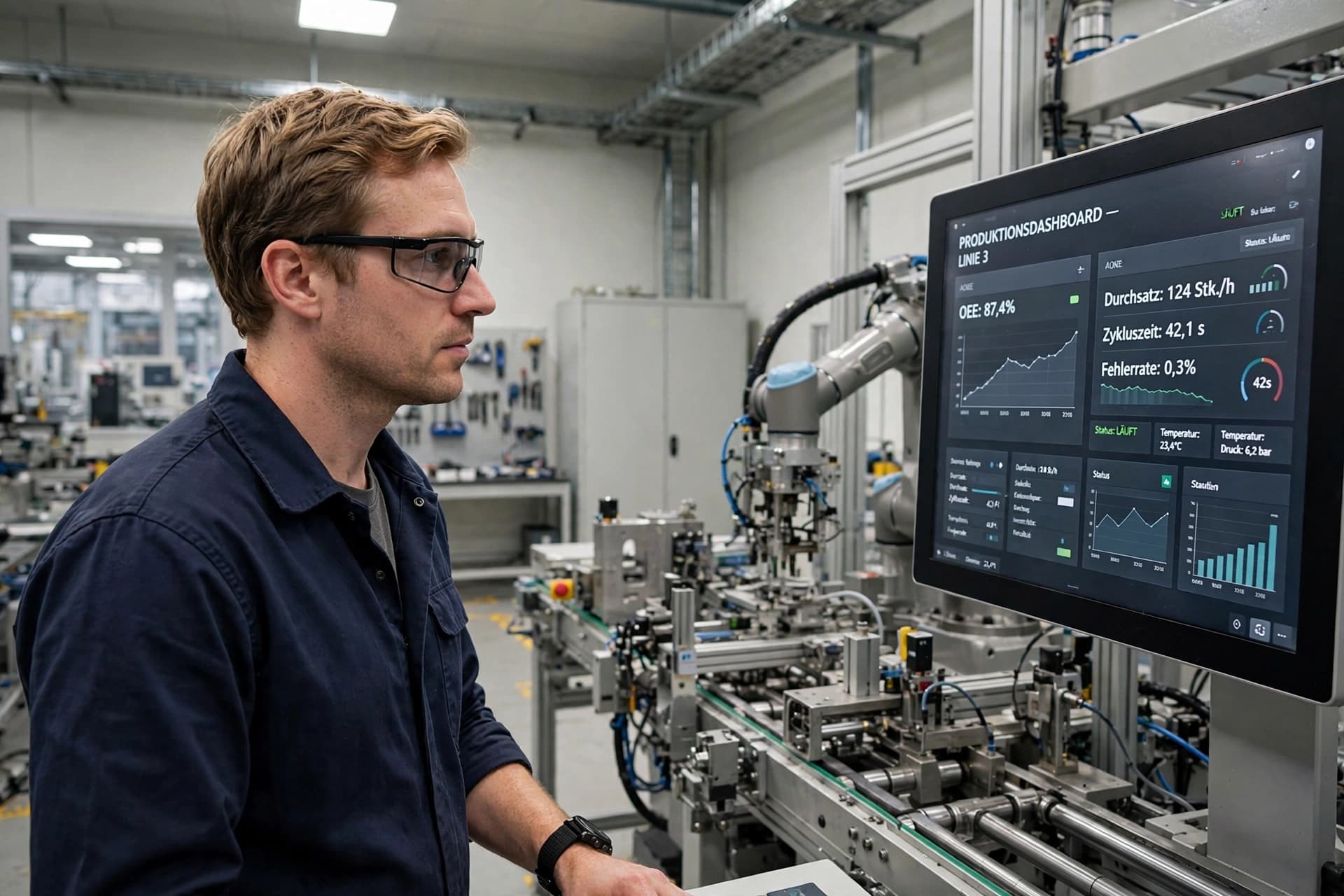
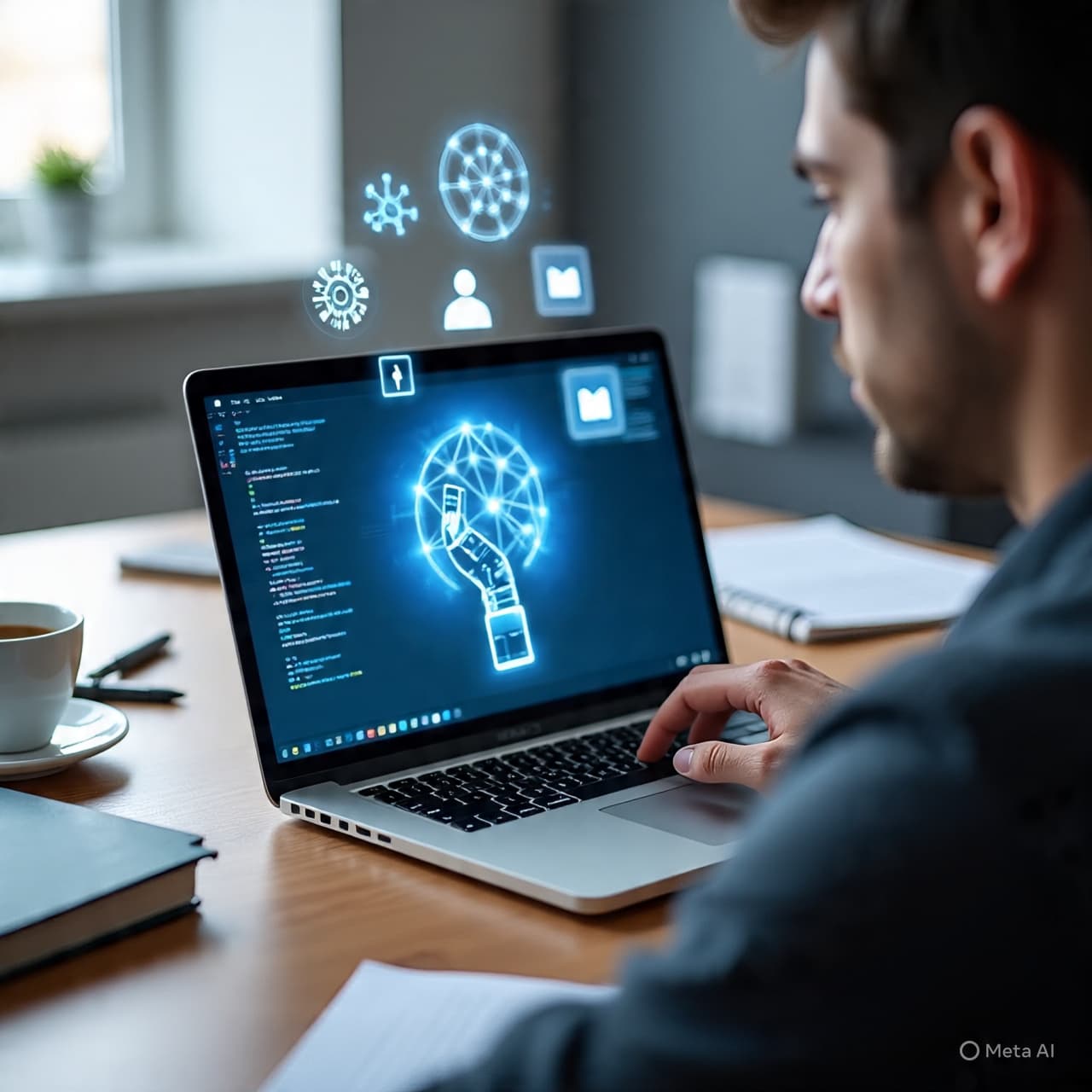
AI Image Disclaimer Visuals are created with AI tools and are not real photographs.
Sources Business Insider The Times of India Wikipedia (vibe coding definition) Tech Yahoo News Business Insider (podcast mention)
Published by Banx Network. This article is part of the Banx decentralized media programme, powered by the BXE token on the XRP Ledger.