In the soft light of early morning, when shadows stretch long and quiet settles across waking streets, one might reflect on the hidden currents that sustain life. Just as rivers carry water to distant lands, our bloodstream journeys through every corner of the body, nourishing cells, tissues, and organs alike. After a stroke — that sudden interruption of the brain’s own circulation — these currents can become both lifeline and challenge, restoring flow but sometimes igniting a secondary wave of damage and inflammation. Today, researchers are exploring whether that same circulatory river can carry not just life, but healing.
Stroke remains one of the leading causes of disability worldwide, particularly the ischemic type, where a clot blocks blood flow to part of the brain. Restoring circulation is critical, yet the dramatic return of blood can itself trigger inflammation and further neuronal injury. Scientists at Northwestern University have developed a novel injectable regenerative therapy comprised of dynamic supramolecular peptides — molecules that move with remarkable flexibility and purpose. Delivered intravenously immediately after blood flow restoration in a mouse model, these particles successfully crossed the protective blood‑brain barrier, a significant obstacle that has thwarted many previous attempts to deliver drugs directly to brain tissue.
In these preclinical studies, mice that received the therapy showed significantly reduced brain damage compared to controls, with no apparent toxicity in major organs. The therapy’s ability to temper harmful inflammatory responses suggests that it could complement existing stroke treatments by protecting neuronal tissue in the crucial hours after reperfusion, the restoration of blood flow. Researchers are also exploring ways to augment the therapy with additional regenerative signals to further enhance recovery.
While results in animal models are promising, experts caution that much work remains before such an approach can be tested in people. Translating findings from mice to humans involves numerous stages of research, safety evaluation, and regulatory oversight. Nonetheless, the study offers a hopeful glimpse into future strategies that may one day help reduce disability and improve quality of life for stroke survivors.
In straight scientific terms, the newly developed IV nanotherapy has shown in a mouse model that it can cross the blood‑brain barrier and reduce secondary neural injury after ischemic stroke. It represents a potential addition to stroke care, though it has not yet been studied in clinical trials in humans.
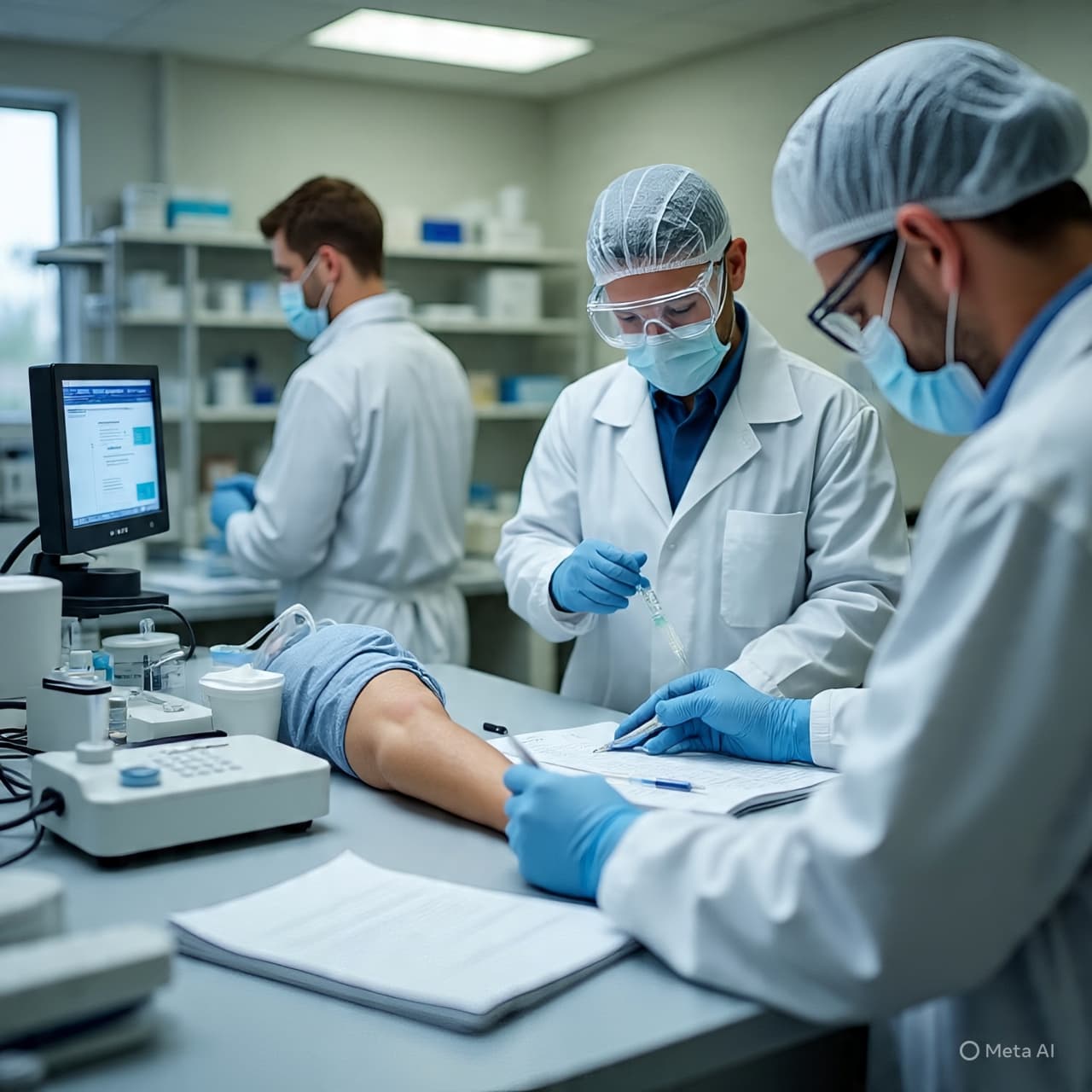
AI Image Disclaimer Visuals are created with AI tools and are not real photographs.
Sources
• Northwestern Engineering press reporting
• SciTechDaily summary
• UCLA Health stroke recovery research
• University of Zurich/USC joint study
• Gladstone Institutes regenerative medicine coverage
Published by Banx Network. This article is part of the Banx decentralized media programme, powered by the BXE token on the XRP Ledger.