Energy, in many ways, defines the boundaries of movement. For over a century, the distance one could travel has often depended on what could be stored, carried, and sustained. Now, in laboratories and testing facilities, those boundaries are being reconsidered with quiet determination.
Researchers and industry developers have announced a significant breakthrough in solid-state battery technology, suggesting the potential for electric vehicles (EVs) to achieve ranges of up to 1,000 miles on a single charge. The development represents a notable step forward in battery innovation.
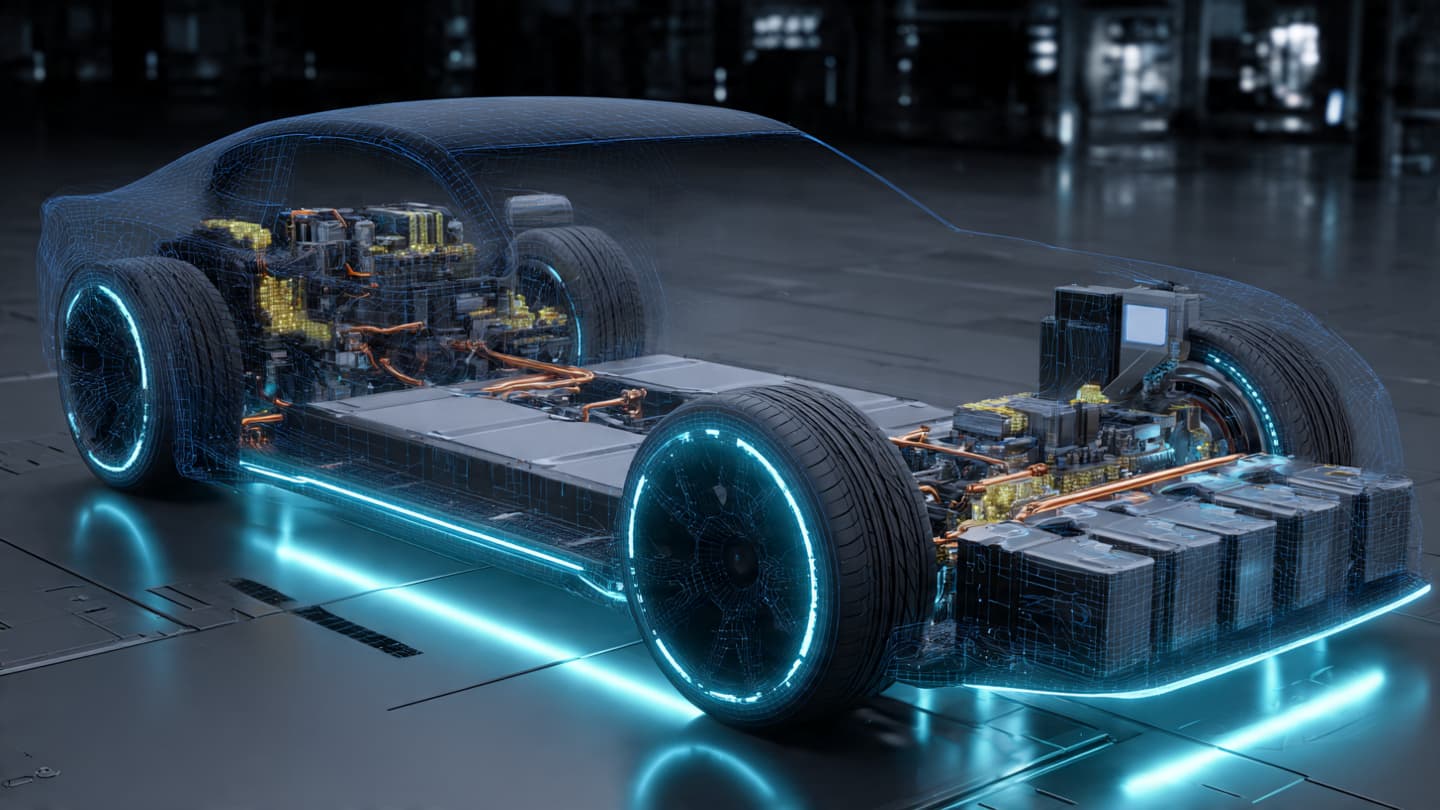
Solid-state batteries differ from conventional lithium-ion batteries by using a solid electrolyte instead of a liquid one. This design can offer higher energy density, improved safety, and longer lifespan, addressing several limitations of current EV batteries.
Early test results indicate that the new batteries can store substantially more energy while maintaining stability under various conditions. This increased capacity could extend driving ranges well beyond what is currently typical for electric vehicles.
Developers have also highlighted faster charging times as a potential benefit. By improving ion conductivity within the solid electrolyte, the technology may allow vehicles to recharge more quickly without compromising battery health.
Despite these promising results, the technology is still in the development phase. Scaling production, ensuring durability over time, and managing costs remain key challenges before widespread commercial adoption can occur.
Automakers and energy companies have been investing heavily in solid-state research, viewing it as a critical component of the transition to cleaner transportation. Partnerships between industry and research institutions are expected to accelerate progress.
If successfully implemented, the technology could reshape consumer perceptions of electric vehicles, particularly regarding range anxiety—a factor that has influenced adoption rates in many markets.
Experts caution that timelines for commercialization remain uncertain, as further testing and regulatory approvals are required. Nonetheless, the progress signals a steady movement toward more efficient energy storage solutions.
As development continues, the promise of longer-range, more reliable electric vehicles moves closer to reality, guided by careful engineering and measured expectations.
AI Image Disclaimer: Visuals included may be AI-generated to represent battery technology and electric vehicle concepts.
Sources: Bloomberg, Reuters, MIT Technology Review, The Verge
Published by Banx Network. This article is part of the Banx decentralized media programme, powered by the BXE token on the XRP Ledger.