Key Highlights
- Proposed Investment:€2.5 billion for Cork's Luas expansion.
- Community Impact:Concerns raised over potential disruption to sports clubs in Bishopstown.
- Ongoing Discussions:Political and community feedback shaping project planning.
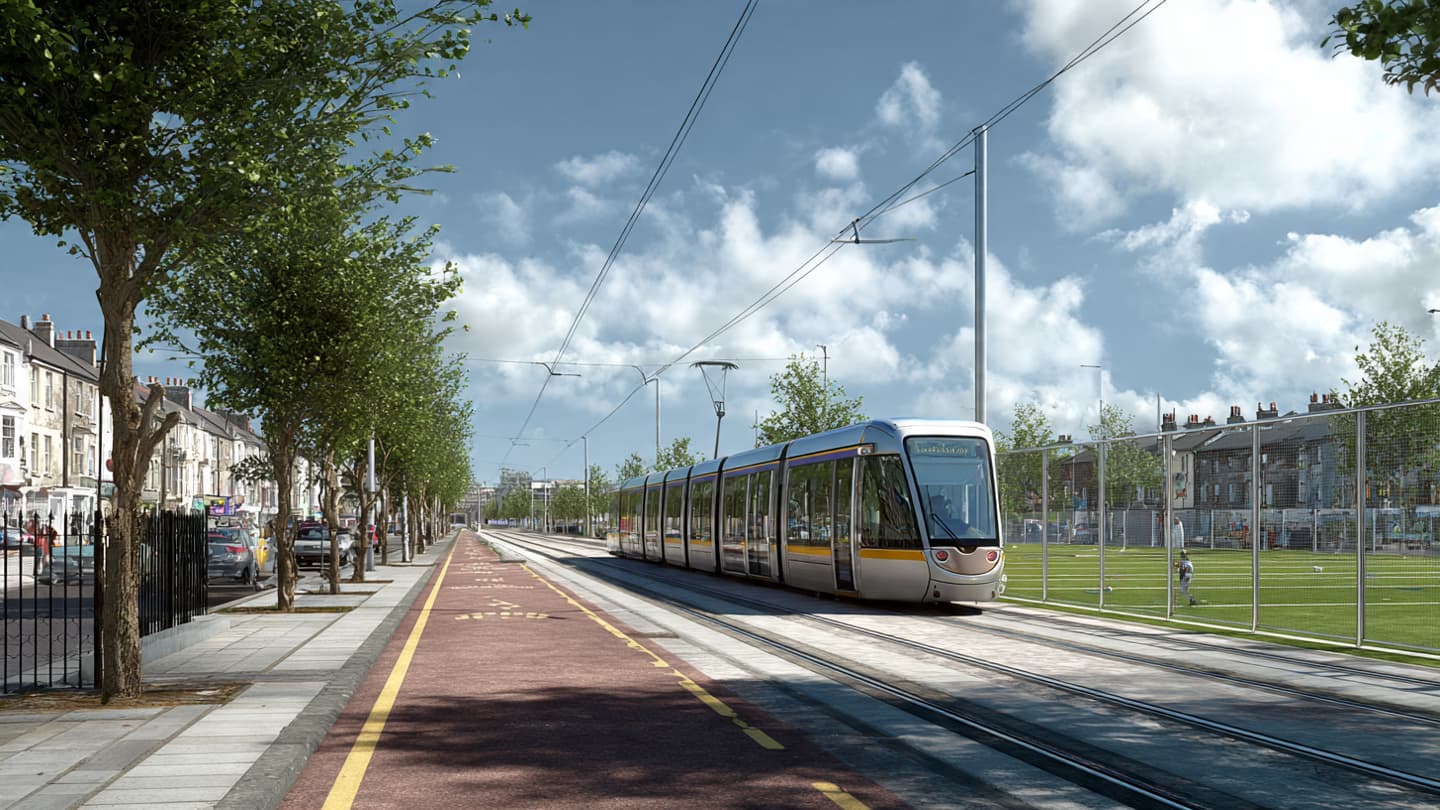
The proposed €2.5 billion Luas expansion in Cork is stirring significant community concern, particularly regarding its potential impact on local sports clubs in the Bishopstown area. As the city seeks to enhance its public transportation infrastructure, the project faces political resistance fueled by fears that construction could disrupt or permanently alter recreational spaces vital to local residents.
Supporters of the Luas expansion argue that improved light rail services will alleviate traffic congestion, enhance connectivity, and promote sustainable transport options throughout Cork. They envision a future where public transit plays a crucial role in urban growth, making the city more accessible and environmentally friendly. However, the voices of community representatives and local politicians have emerged, emphasizing the need to consider the implications for existing sports facilities and recreational areas.
Sports clubs in Ireland often serve as more than just venues for athletic activities; they are integral to the social fabric of neighborhoods. Many clubs host youth programs, community events, and volunteer initiatives, fostering a sense of belonging and identity among residents. Thus, any proposals that threaten these spaces can evoke strong emotional responses and ignite political debates.
The planning of public infrastructure typically involves a balancing act between competing priorities. Urban development advocates highlight the long-term advantages of efficient transportation systems, while local communities prioritize the preservation of established social and recreational environments. This tension is particularly evident in the Bishopstown area, where the proposed Luas route could intersect with club grounds and other community amenities.
Officials involved in the Luas project have indicated that consultations and planning discussions are ongoing. Large-scale transport proposals often undergo multiple revisions as stakeholders—including engineers, planners, elected officials, and residents—work to address concerns related to land use, environmental impact, and community access. The Cork Luas expansion is no exception, as planners review feedback and consider potential adjustments to the route and surrounding development plans.
This debate reflects a broader challenge faced by rapidly growing cities: the need to expand transportation capacity while making difficult decisions about land use in areas where housing, recreation, commerce, and infrastructure compete for limited space. The Cork Luas project exemplifies this dilemma, as it seeks to build for future generations while safeguarding the spaces that current communities rely on.
As discussions continue, the Cork community remains engaged in the conversation about the Luas expansion, weighing the benefits of improved public transit against the potential loss of cherished local spaces. The outcome of this dialogue will shape not only the future of transportation in Cork but also the identity and cohesion of its neighborhoods.
Political discussions surrounding the Cork Luas proposal are expected to persist as planners assess community feedback and explore possible modifications to the project. The stakes are high, as the decisions made today will impact the lives of residents for years to come.
Published by Banx Network. This article is part of the Banx decentralized media programme, powered by the BXE token on the XRP Ledger.