In the heart of New York City, where the rhythm of life is fast and the air is thick with energy, a silent threat has emerged from the very systems that keep the city cool. An outbreak of Legionnaires’ disease has been identified, prompting health officials to issue warnings and investigate potential sources. This bacterial infection, though rare, serves as a poignant reminder of the hidden complexities within urban infrastructure.
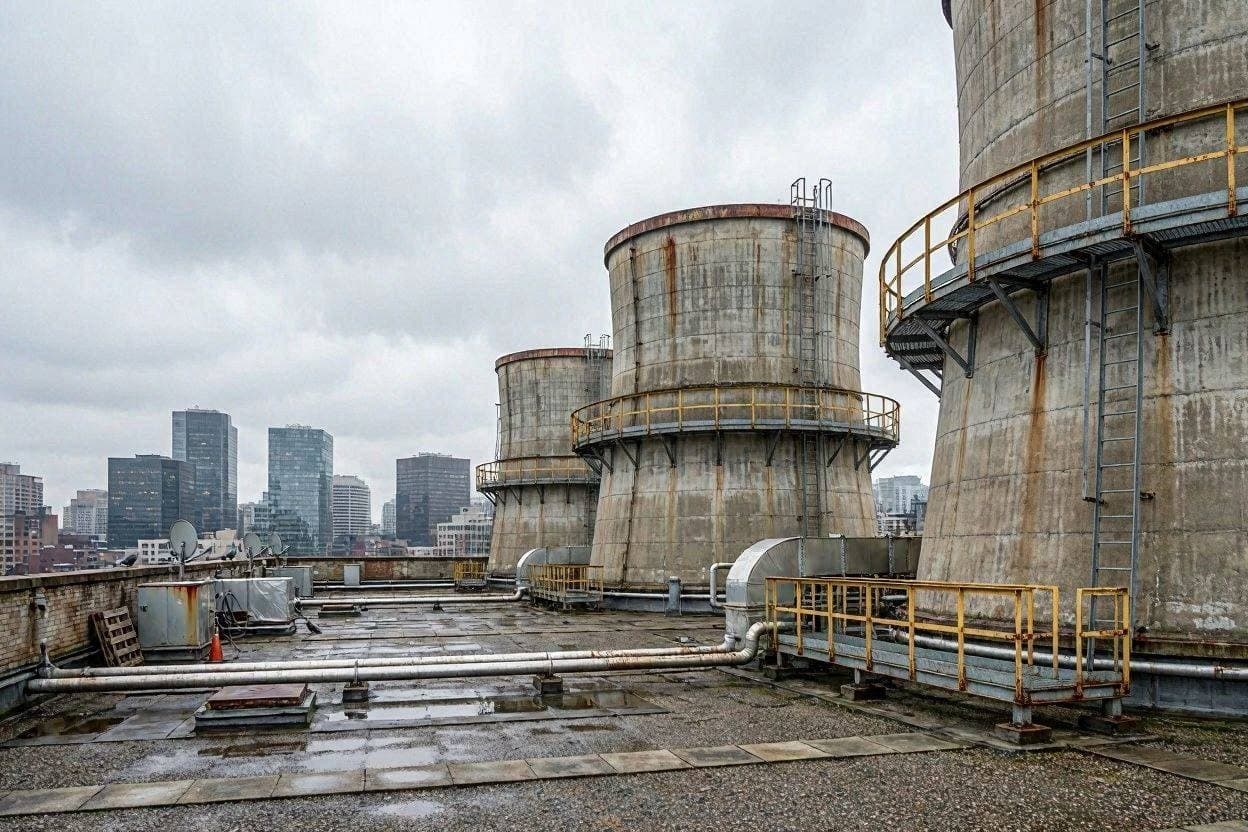
Legionnaires’ disease is caused by the Legionella bacterium, which thrives in warm water environments such as cooling towers, hot tubs, and large plumbing systems. When water containing the bacteria is aerosolized into mist or vapor, it can be inhaled, leading to a severe form of pneumonia. The recent cluster of cases in New York has raised concerns about the maintenance and monitoring of these essential building systems.
Health departments are actively tracing the source of the outbreak, inspecting cooling towers and water systems in affected areas. These inspections are critical, as identifying and remediating the source is the most effective way to stop the spread. The process involves rigorous testing and, if necessary, disinfection procedures to eliminate the bacteria. It is a technical and logistical challenge in a city as dense and complex as New York.
Symptoms of Legionnaires’ disease can include fever, chills, cough, and muscle aches, often appearing two to ten days after exposure. Early diagnosis and treatment with antibiotics are crucial for recovery, particularly for older adults and those with weakened immune systems. Public awareness campaigns are encouraging residents to seek medical attention if they experience these symptoms, especially if they have been in areas with known risks.
The outbreak highlights the importance of regular maintenance for building managers and property owners. Compliance with local regulations regarding water system testing is not just a legal requirement but a public health imperative. Neglect can have serious consequences, as seen in past outbreaks in other major cities. Vigilance and proactive care are key to preventing such incidents.
For New Yorkers, the news may cause some anxiety, but experts emphasize that the risk is manageable with proper precautions. Avoiding exposure to visible mist from cooling towers and reporting any unusual water issues in buildings can help. The city’s robust public health infrastructure is well-equipped to handle such challenges, ensuring a swift and effective response.
This event also underscores the broader issue of aging infrastructure in urban environments. As cities grow and systems age, the need for continuous investment in maintenance and upgrades becomes more pressing. Protecting public health requires not just reactive measures but long-term strategic planning.
Closing: As investigations continue, the focus remains on containment and prevention. The Legionnaires’ outbreak in New York is a call to action for maintaining the invisible systems that support modern life, ensuring safety and well-being for all residents.
AI Image Disclaimer: Please note that the images included in this article are AI-generated visualizations created to complement the narrative and are not actual photographs of cooling towers or medical facilities.
Sources: NYC Department of Health CDC The New York Times ABC7 NY
Published by Banx Network. This article is part of the Banx decentralized media programme, powered by the BXE token on the XRP Ledger.