There’s a certain rhythm to daily life that we scarcely notice — the hum of refrigerators in kitchens, the steady line of shoppers in neighborhood markets, and the reassuring presence of familiar snacks and supplements on store shelves. It’s a rhythm rooted in trust: that the goods we reach for have passed through unseen hands and systems, vetted and safe. But recently, that trust was tested when the U.S. Food and Drug Administration (FDA) announced a sweeping recall of nearly 2,000 products after discovering that they had been stored under unsanitary conditions at a distribution facility in Minnesota, exposing them to rodent and bird contamination.
On December 26, Gold Star Distribution, Inc., based in Minneapolis, issued a recall on all FDA‑regulated products held at its warehouse after inspectors found evidence of rodent excreta, rodent urine, and bird droppings in areas where medicines, food, pet food, cosmetics, and dietary supplements were stored. The FDA determined that these conditions posed a serious risk of bacterial contamination, including Salmonella, which can lead to fever, nausea, vomiting, and in more severe cases, life‑threatening infections — especially in young children, older adults, pregnant people, and those with compromised immune systems.
What makes this recall particularly striking is the breadth of products affected and the everyday nature of many of them. From cold and flu medicines to peanut butter, snack foods, pet chow, and vitamins, the items touched nearly every corner of consumer life. While the recall does not extend to refrigerated or frozen goods that were shipped directly by manufacturers, many familiar pantry staples sold in small grocers across Minnesota, Indiana, North Dakota, and reports of some products in Illinois and New York have been drawn back from shelves.
Health experts emphasize that, to date, no illnesses have been reported in connection with the recall, but the FDA and Gold Star officials urge consumers and retailers not to consume or use affected products and to destroy them promptly. Refunds are to be provided upon proof of destruction. The agency also encourages anyone who experiences symptoms or health issues possibly related to these products to consult a health care provider.
For many community members, especially those who frequent local markets and ethnic food stores supplied by the distributor, the news came as both a surprise and a concern. The presence of pests and filth in a facility entrusted with holding goods for human and animal use underscores the delicate balance between supply chains and safety standards. Regulators and retailers alike are now grappling with how to restore confidence while minimizing disruption — a task as vital as it is complex.
In this unfolding story, the FDA’s broad recall serves as a reminder that food and product safety is not only about laws and inspections but also about the invisible paths goods travel before they reach our hands. In those unseen halls and pallets, sometimes the greatest challenges lie.
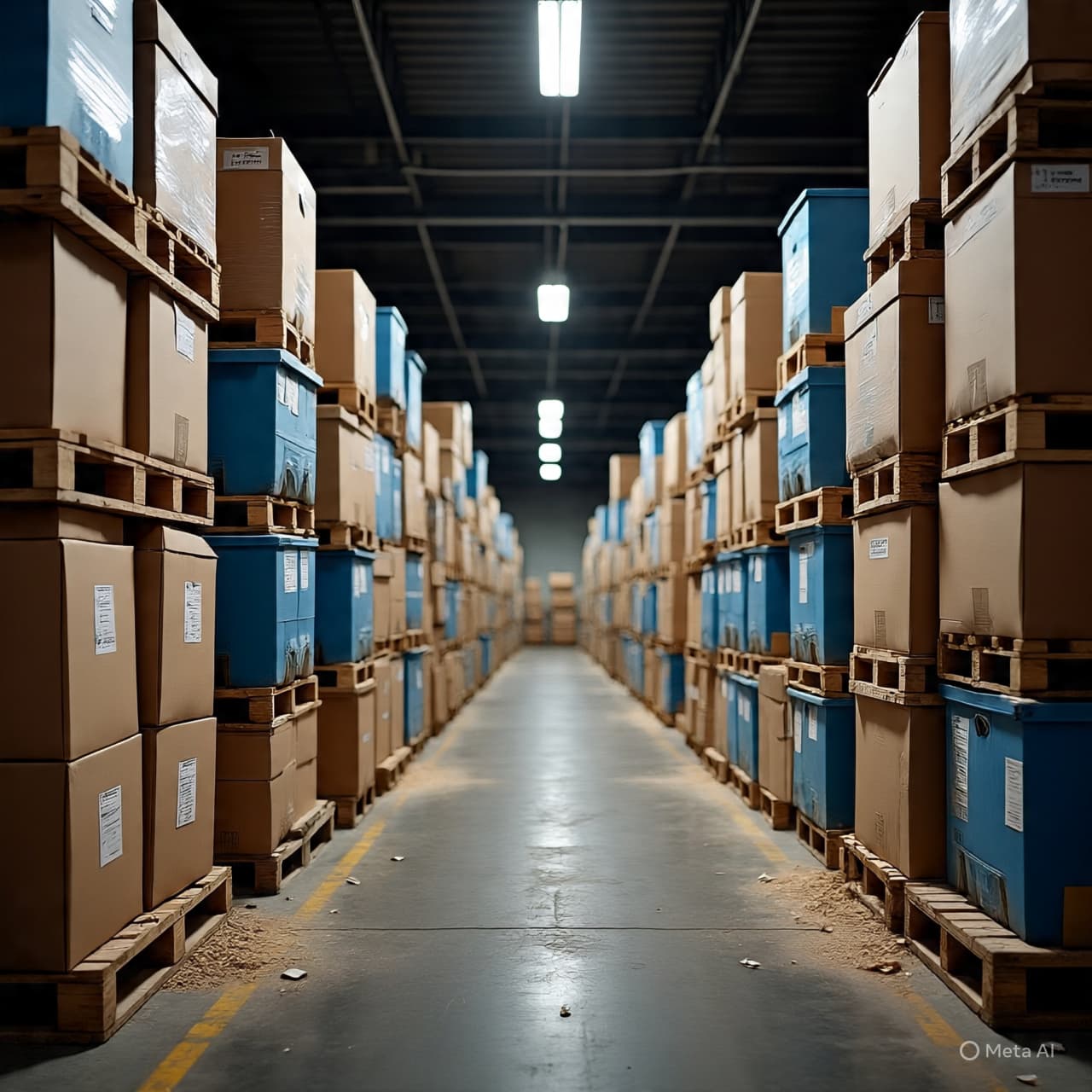
AI Image Disclaimer “Illustrations were produced with AI and serve as conceptual depictions.”
Sources FDA (Official Recall Announcement) NBC Chicago Daily Mail Online (archived) PetfoodIndustry.com Red Lake Nation News
Published by Banx Network. This article is part of the Banx decentralized media programme, powered by the BXE token on the XRP Ledger.