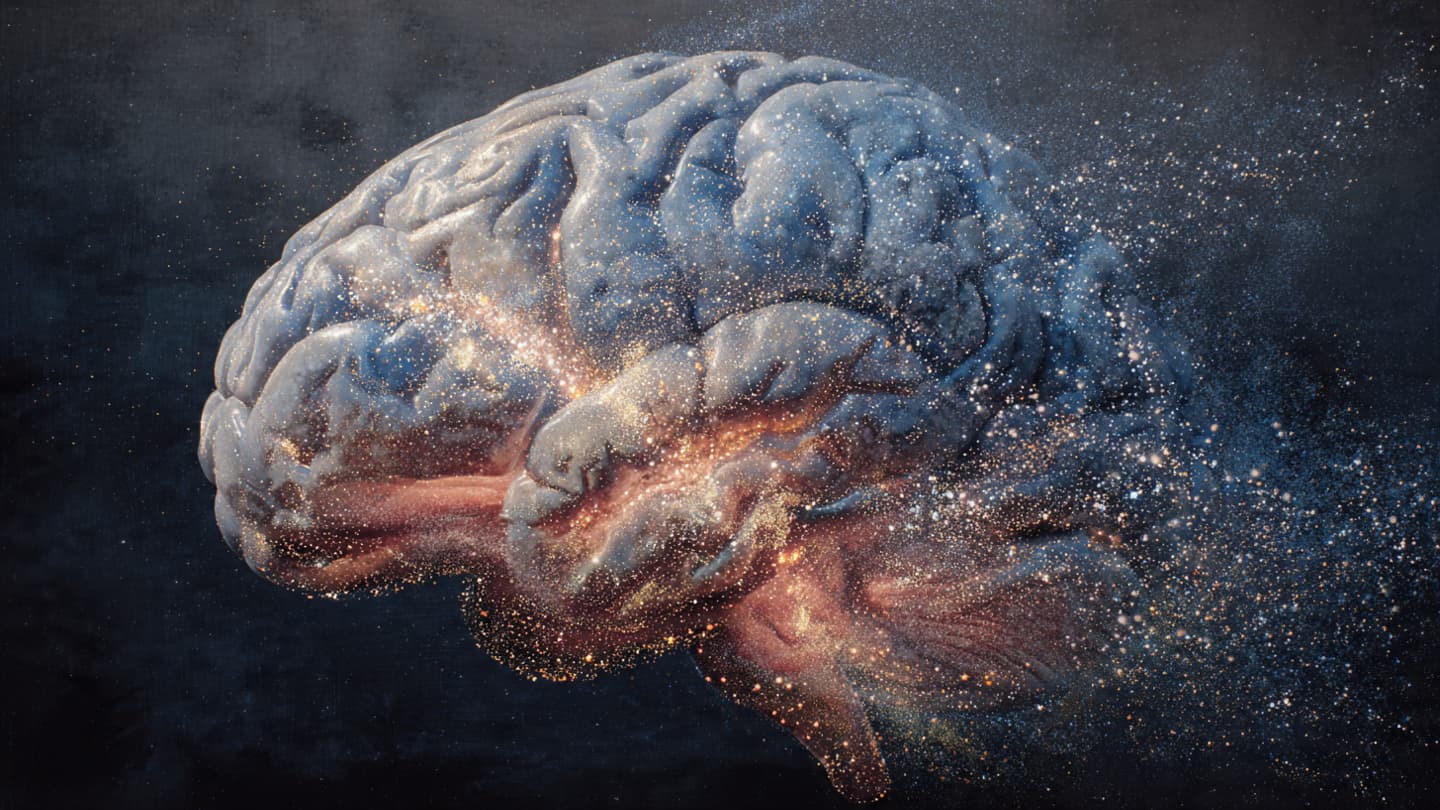
Human consciousness has long stood at the edge of scientific understanding, familiar to every person yet difficult to fully explain. Thoughts, awareness, emotions, and perception accompany daily life so naturally that they often seem inseparable from the brain itself. Yet some scientists and philosophers are increasingly revisiting a far older and more radical possibility: consciousness may not simply emerge from matter, but instead exist as a fundamental feature of reality.
The debate has gained renewed attention after prominent neuroscientists argued that mainstream scientific assumptions about consciousness may be incomplete. Rather than treating awareness solely as a product generated by neural activity, some researchers are exploring theories suggesting consciousness could resemble space, time, or gravity—an intrinsic aspect of the universe itself.
These ideas remain controversial within modern neuroscience. Traditional scientific models generally view consciousness as emerging from the complex interactions of neurons inside the brain. According to that framework, awareness develops through biological processes shaped by evolution and cognitive function. Alternative theories challenge whether that explanation fully addresses the subjective nature of experience.
One influential area of discussion involves the “hard problem” of consciousness, a philosophical concept asking why physical brain processes produce personal experience at all. Scientists can measure electrical activity, map neural pathways, and observe cognitive behavior, yet explaining why those processes feel like something from the inside remains deeply difficult.
Supporters of broader theories sometimes point toward concepts such as panpsychism, which proposes that consciousness or proto-conscious qualities may exist throughout nature at varying levels. While these ideas attract increasing academic interest, many researchers caution that evidence remains limited and highly theoretical. The scientific community continues debating whether such frameworks are testable through conventional experimentation.
Advances in neuroscience, artificial intelligence, and quantum physics have all contributed to renewed public interest in consciousness research. Brain imaging technologies now allow scientists to observe neural activity with extraordinary detail, yet the relationship between physical structures and subjective awareness remains unresolved. In many ways, the mystery persists despite technological progress.
Philosophers and scientists alike note that debates over consciousness often blur the boundaries between empirical science and metaphysical inquiry. Questions about awareness touch not only biology, but also identity, perception, free will, and humanity’s broader understanding of existence itself. As a result, discussions in this field tend to extend beyond laboratories into ethics, philosophy, and even spirituality.
For now, mainstream neuroscience continues grounding its work primarily in brain-based explanations, while alternative theories remain subjects of active debate rather than scientific consensus. Still, the growing conversation reflects a deeper reality: despite centuries of study, consciousness remains one of the most profound and unresolved questions in human knowledge.
AI Image Disclaimer: Some conceptual visuals connected to this article were produced using AI-generated artistic interpretations of scientific themes.
Sources: Nature, Scientific American, New Scientist, Reuters
Published by Banx Network. This article is part of the Banx decentralized media programme, powered by the BXE token on the XRP Ledger.