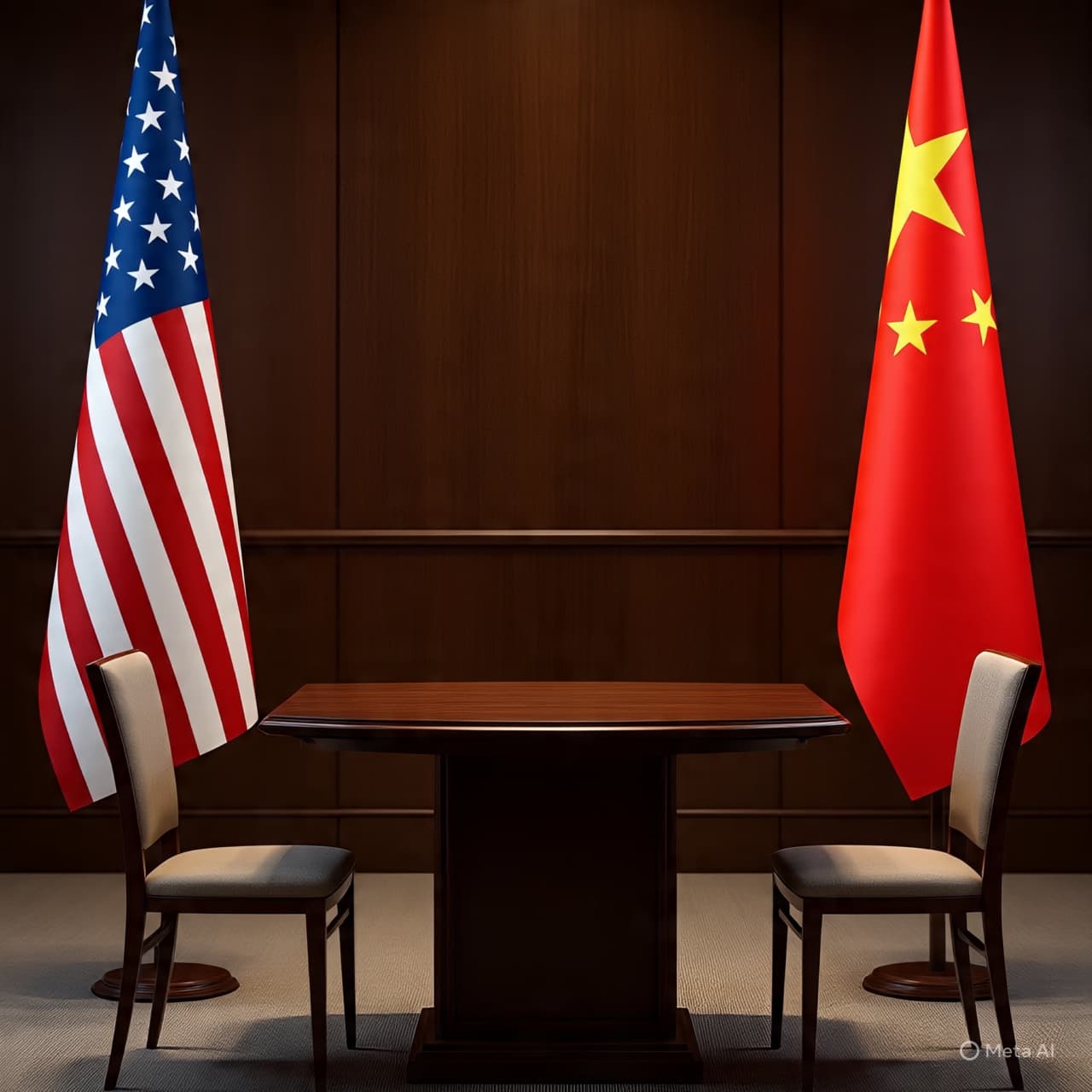
Diplomatic handshakes may look polished on camera, but behind the smiles lies a tug-of-war over influence, trade, and military presence. The latest visit by members of the U.S. Congress to Beijing carries weight far heavier than symbolic gestures. It is not just a trip — it is an audition for stability in a relationship that defines the century.
At the heart of the dialogue are issues that cut deep: tariffs still choking industries, technology bans reshaping supply chains, and rising military posturing in the South China Sea. Chinese officials push back against what they frame as American containment, while U.S. lawmakers insist they are defending fair competition and regional allies. The room for compromise feels narrow, but the risks of silence are even greater.
The trip also sends signals to domestic audiences. In Washington, politicians cannot afford to look soft on China, while Beijing is under pressure to project resilience amid slowing economic growth. Each side frames the encounter not as concession, but as defense of national dignity.
Diplomacy, in this context, is theater with consequences. Every word, every pause, becomes a line in the script of global power.
Published by Banx Network. This article is part of the Banx decentralized media programme, powered by the BXE token on the XRP Ledger.