In the dense forests and bustling towns of the Democratic Republic of the Congo, a familiar yet formidable adversary has reemerged with devastating intensity. The current Ebola outbreak, now recorded as the deadliest in the nation’s history, serves as a somber reminder of the persistent threats posed by infectious diseases in regions with fragile healthcare infrastructure. As case numbers climb and communities grapple with loss, the situation underscores the urgent need for sustained global attention and local resilience.
The virus, which causes severe hemorrhagic fever, has spread rapidly through several provinces, overwhelming local health facilities and stretching response teams to their limits. Contact tracing, vaccination campaigns, and public education efforts are being intensified, but the sheer scale of the outbreak presents unprecedented challenges. Each new case represents not just a statistical increment but a human story of fear, grief, and survival.
Historical context reveals that this is not the first time the DRC has faced Ebola, but the current strain’s virulence and the speed of its transmission have set it apart. Previous outbreaks were contained more quickly, often due to smaller geographic spread or faster international intervention. This time, factors such as population movement, conflict in certain areas, and logistical hurdles have complicated containment efforts, allowing the virus to take deeper root.
International health organizations, including the World Health Organization and Médecins Sans Frontières, have mobilized resources to support the DRC’s Ministry of Health. Teams of epidemiologists, nurses, and logisticians are working alongside local volunteers to establish treatment centers and distribute protective equipment. Their presence is a beacon of hope, yet the gap between available resources and the magnitude of the crisis remains wide.
Community engagement plays a critical role in combating misinformation and fostering trust. Rumors and skepticism about medical interventions can hinder vaccination uptake and safe burial practices, which are essential for breaking the chain of transmission. Health workers are investing time in dialogue with community leaders, respecting cultural traditions while explaining the scientific basis for preventive measures.
The economic impact of the outbreak is also profound, affecting trade, agriculture, and daily livelihoods. Markets close, schools suspend operations, and families face financial strain due to medical costs or loss of income. This secondary crisis exacerbates the vulnerability of affected populations, making recovery even more difficult once the immediate health threat subsides.
As the death toll rises, the global community is called upon to reflect on the inequities in health security. Diseases like Ebola do not respect borders, and their containment requires coordinated, well-funded international cooperation. The DRC’s struggle is a testament to the resilience of its people, but it also highlights the systemic gaps that must be addressed to prevent future tragedies.
Looking ahead, the focus will remain on saving lives and supporting survivors, who often face long-term health issues and social stigma. The lessons learned from this outbreak will inform future preparedness strategies, emphasizing the importance of robust health systems, rapid response mechanisms, and equitable access to vaccines and treatments.
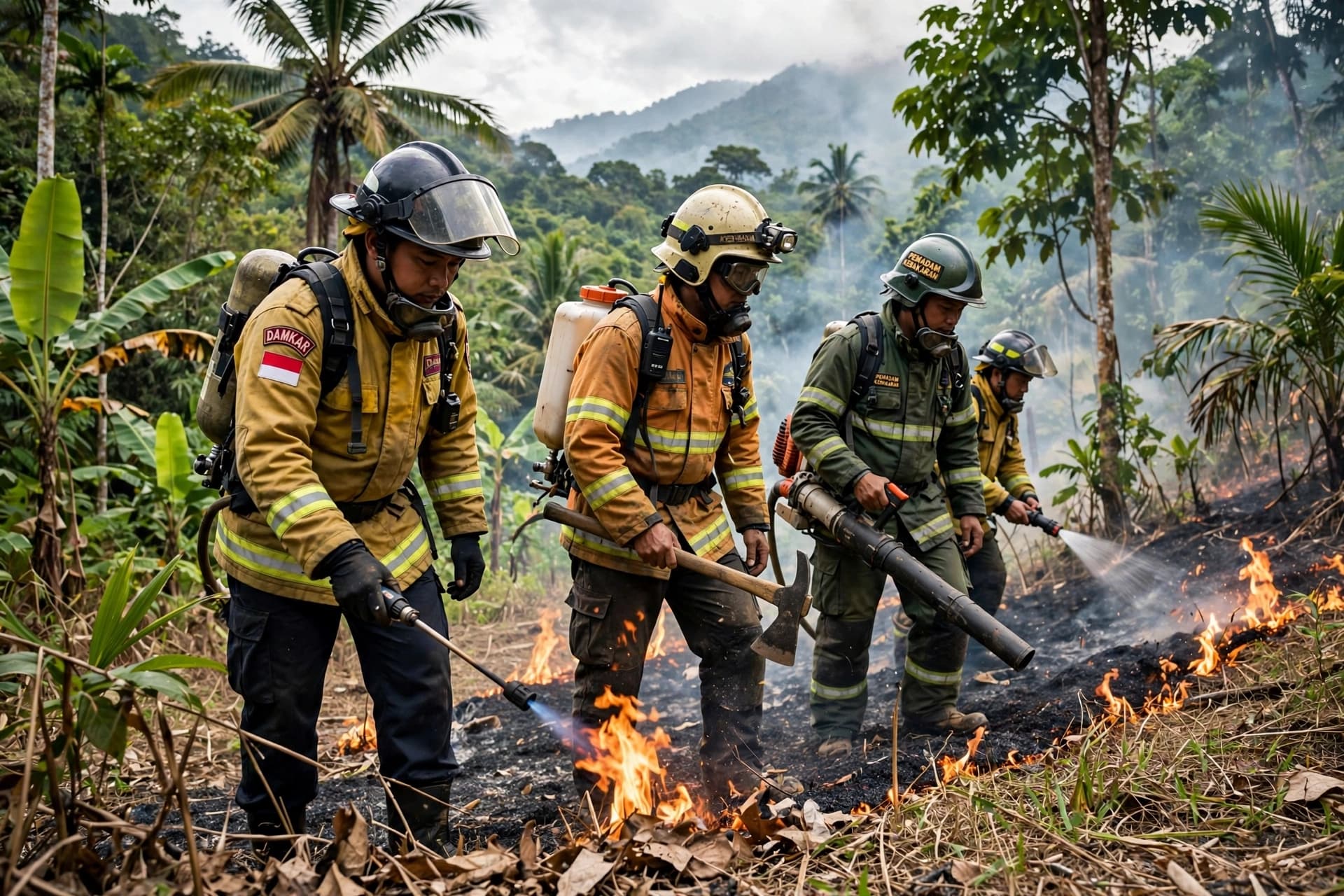
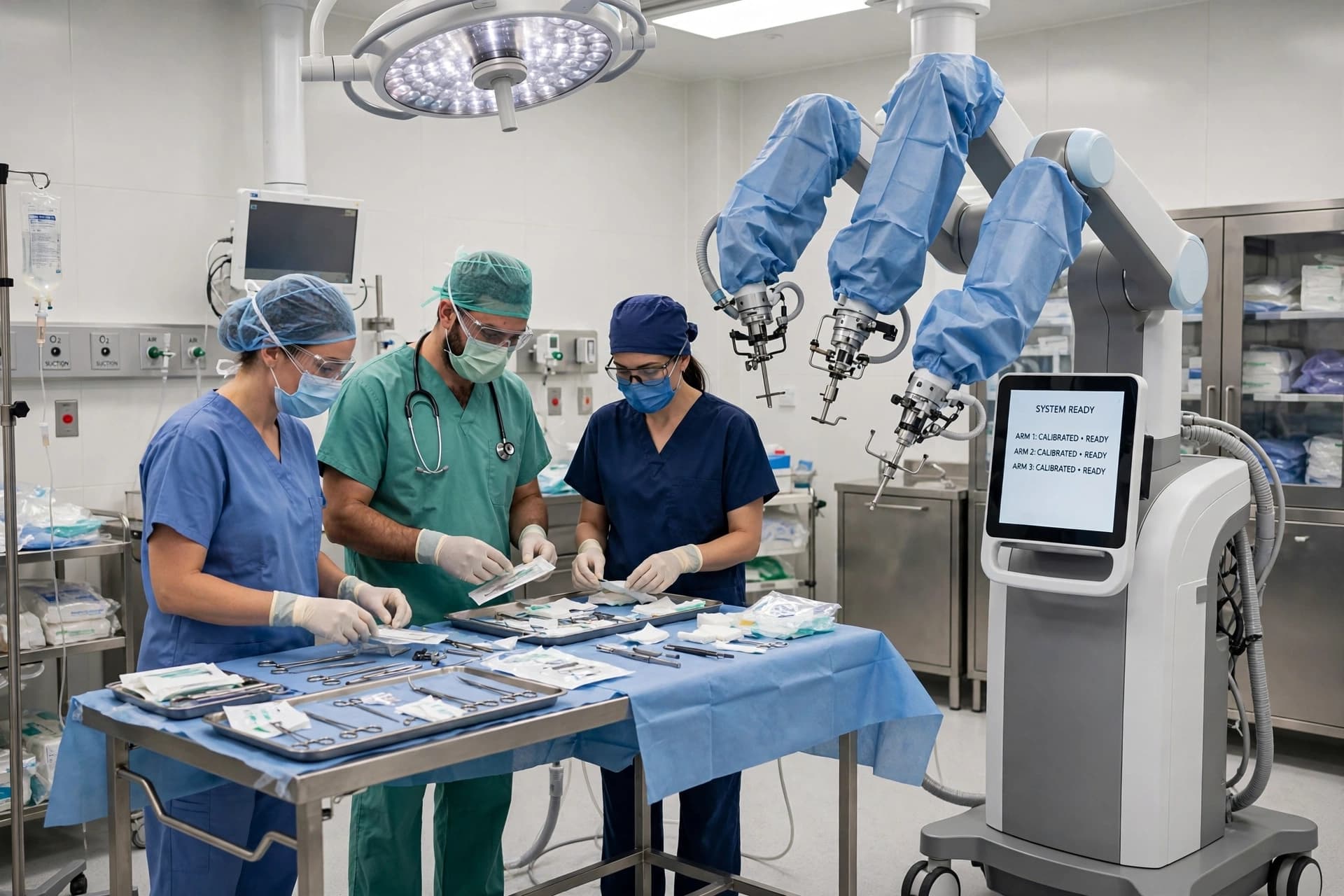
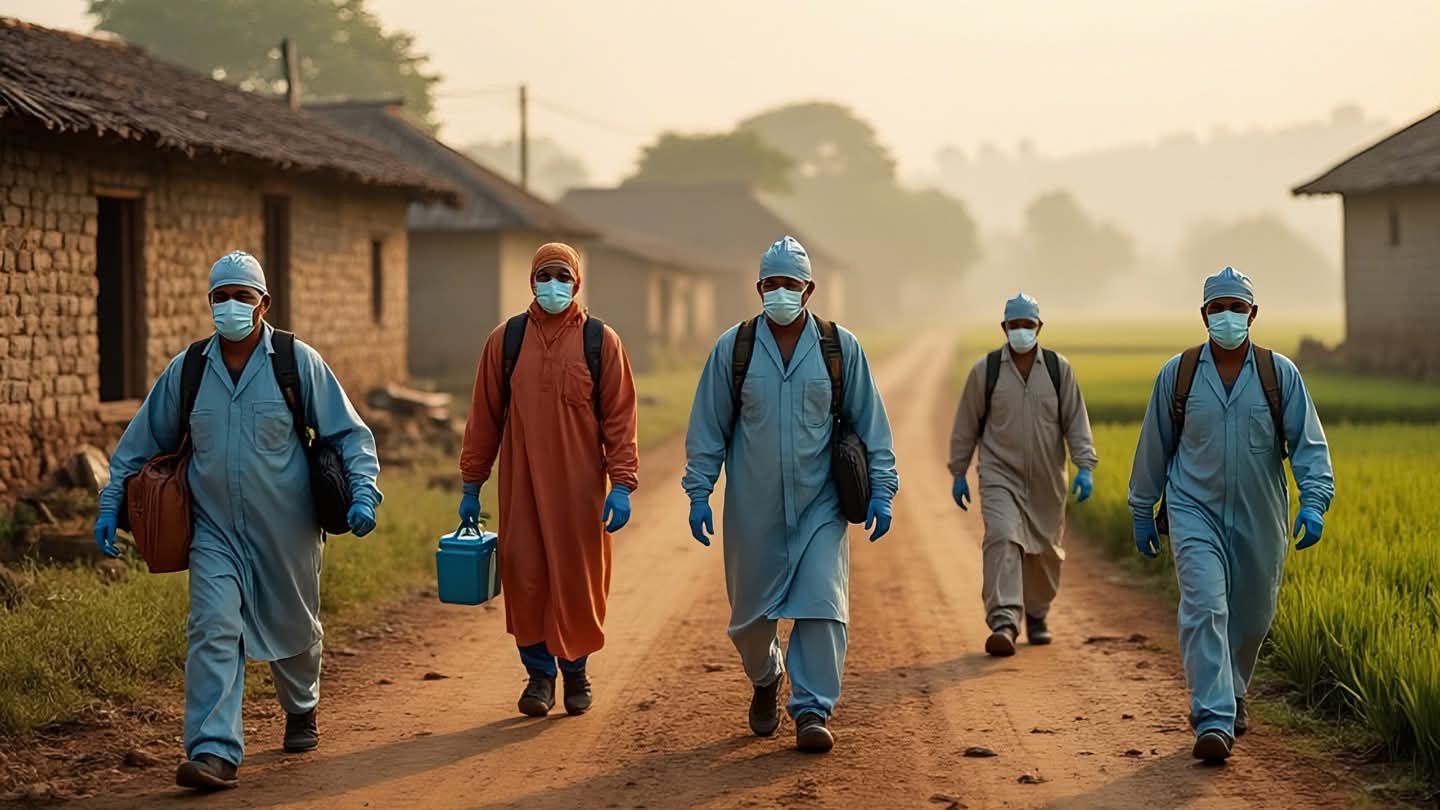
AI Image Disclaimer: Images used in this report are AI-generated artistic interpretations of medical solidarity and humanitarian aid, avoiding graphic depictions of illness.
Sources: Al Jazeera, CNN, Centers for Disease Control and Prevention (CDC), CIDRAP
Published by Banx Network. This article is part of the Banx decentralized media programme, powered by the BXE token on the XRP Ledger.