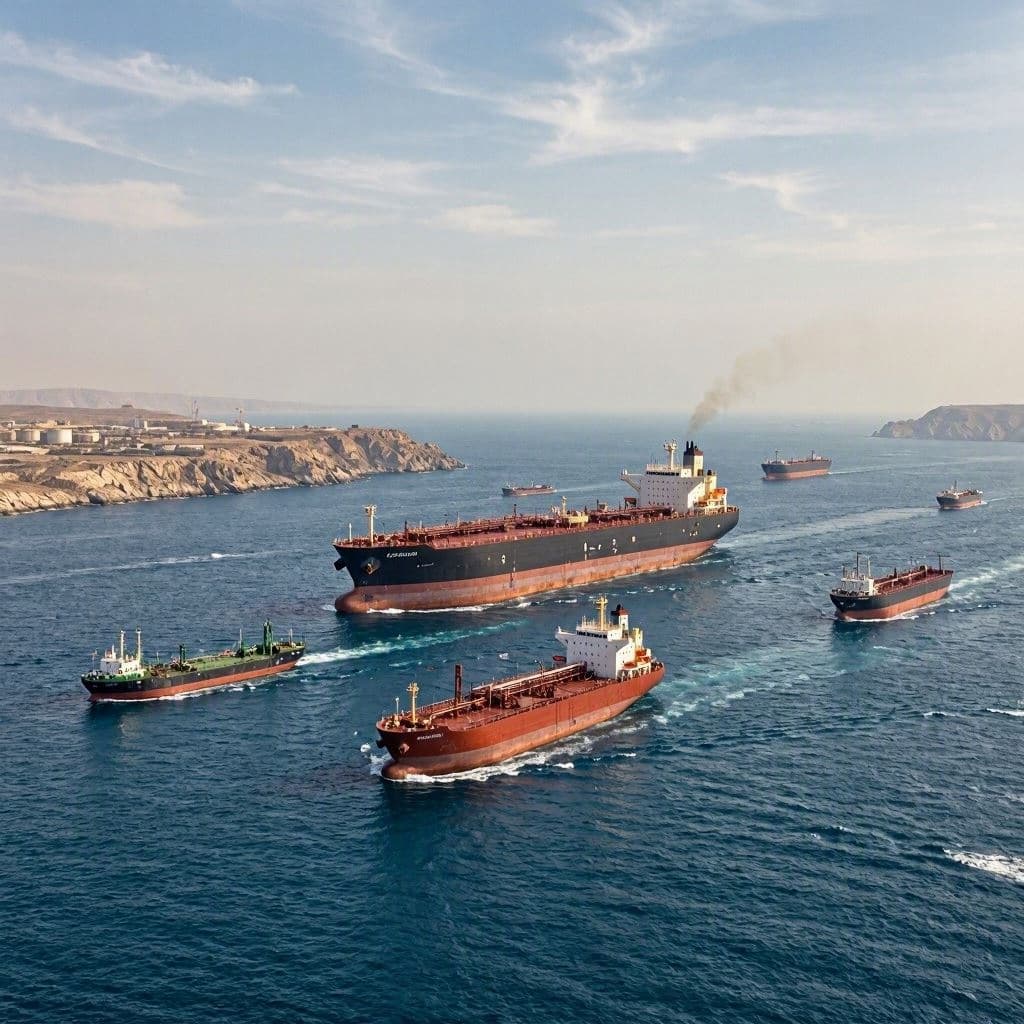
The Strait of Hormuz is a narrow chokepoint of global significance, through which a substantial portion of the world’s oil supply passes. Recently, Iran announced that negotiations with Oman regarding the strait are in their "final stages," signaling potential progress in easing regional tensions. However, Tehran insists that the United States must take concrete steps to ensure the waterway’s openness. This conditional optimism highlights the intricate dance of diplomacy, where trust is scarce and verification is key. It is a moment of cautious hope, balanced against the backdrop of historical mistrust and strategic rivalry.
The talks, mediated by Oman, aim to establish a framework for safe and uninterrupted commercial shipping. Iran has expressed willingness to allow vessels to pass without charge for a specified period, provided that the U.S. lifts certain restrictions or guarantees non-aggression. The details of the agreement remain confidential, but sources suggest it involves mutual de-escalation measures. For global markets, the prospect of stabilized flows is welcome news, reducing the risk of price spikes and supply disruptions.
The U.S. has responded with cautious interest, acknowledging the progress but emphasizing the need for verifiable actions. American officials state that any deal must ensure the freedom of navigation and protect allied interests. The Biden administration, or the current executive leadership, faces pressure to balance diplomatic engagement with firmness. The goal is to achieve a sustainable arrangement that prevents future crises while maintaining leverage.
Oman’s role as a mediator is crucial, given its neutral stance and good relations with both Tehran and Washington. The Sultanate has long served as a bridge in regional conflicts, facilitating dialogue when direct communication is impossible. Its diplomatic efforts are credited with keeping channels open during times of heightened tension. The success of these talks would reinforce Oman’s reputation as a key peacemaker in the Middle East.
For neighboring countries, the outcome of these negotiations is vital. Stability in the Gulf affects everything from energy security to regional trade. Countries like Saudi Arabia and the UAE watch closely, seeking assurances that their own interests are protected. A successful deal could pave the way for broader regional cooperation, addressing other contentious issues. However, failure could lead to renewed hostility and economic uncertainty.
The human element of this geopolitical drama is often overlooked. Millions of people depend on the stability of the region for their livelihoods. Fishermen, traders, and workers in the energy sector are all affected by the ebb and flow of political relations. Peace brings prosperity, while conflict brings hardship. The stakes are high, not just for governments but for ordinary citizens.
Iran’s announcement that the Oman deal is in final stages offers a glimpse of potential resolution in the Strait of Hormuz. As the U.S. considers its next steps, the hope is for an agreement that ensures safe passage and regional stability. The world watches with anticipation, ready for a positive outcome.
AI Image Disclaimer: The images provided are AI-generated to visually represent the diplomatic and maritime aspects of the story.
Sources: Axios AP News Al Jazeera
Published by Banx Network. This article is part of the Banx decentralized media programme, powered by the BXE token on the XRP Ledger.