Inside the abdomen of a spider, there is a substance that seems to defy ordinary expectations. It is a liquid, concentrated and stable, held in waiting for the moment when it will be pulled through a narrow duct and transformed, almost instantaneously, into a fiber that rivals steel in tensile strength and surpasses it in toughness. Scientists have called this liquid “silk dope,” a deceptively casual name for one of nature’s most sophisticated materials. For decades, the precise mechanism of its transformation remained stubbornly opaque, a puzzle that materials scientists and biochemists have chipped away at with patience and increasingly refined tools.
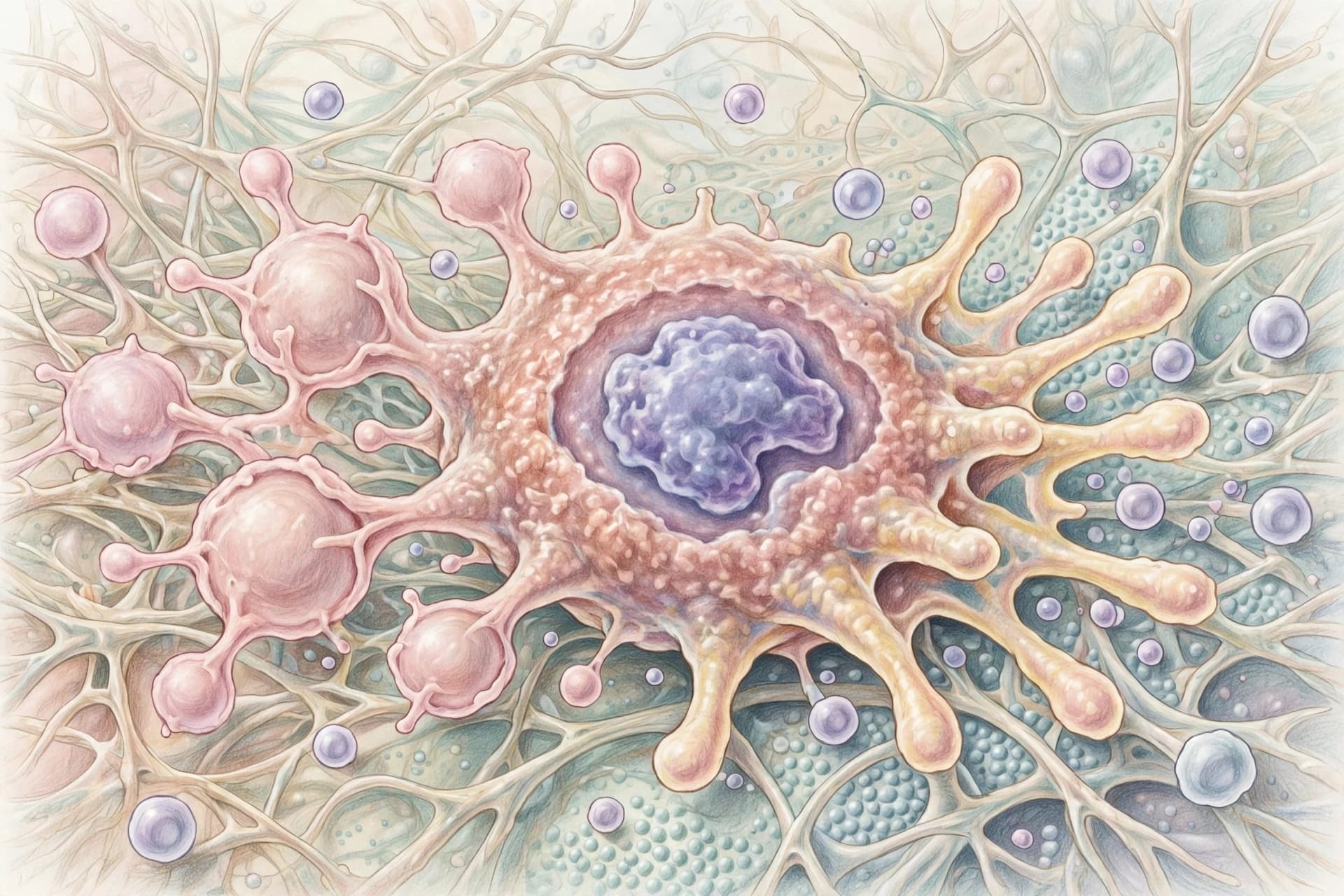
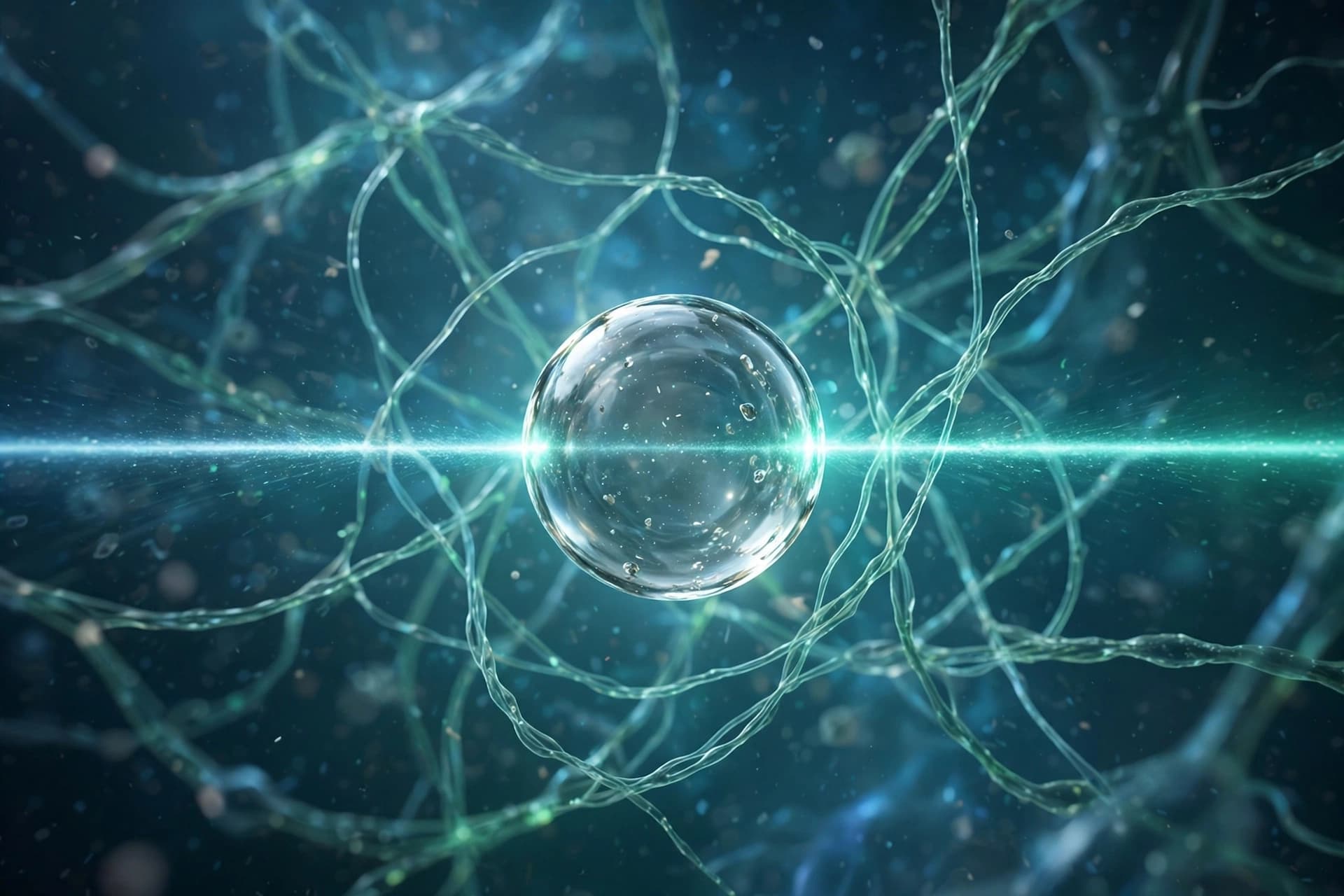
Recent work has brought the picture into sharper focus. The emerging consensus centers on a process called liquid-liquid phase separation, or LLPS—a phenomenon in which proteins in solution spontaneously condense into dense droplets, separating from the surrounding liquid like oil forming beads in water. In the spider’s silk gland, the spidroin proteins that make up silk appear to assemble into these condensates, packing themselves densely while remaining fluid and dynamic. This state allows the spider to store an enormous concentration of protein without the risk of premature solidification.
The trigger for the next step appears to be a change in acidity. As the dope moves down the narrowing duct toward the spinneret, the pH drops, and the condensates begin to fuse and rearrange. What was once a collection of liquid droplets becomes a network of fine fibrils, and under the mechanical stress of being pulled, these fibrils align and crystallize into the final fiber. Keiji Numata, a biomaterials chemist at Kyoto University whose team has done pioneering work on this process, described the significance plainly: the spider accomplishes with water and ambient temperature what human manufacturing often achieves only with harsh solvents and high energy.
The details are intricate. Cryo-electron tomography of black widow silk dope has revealed that the condensates are not simple spheres but hierarchical structures, composed of smaller flake-like subdomains that reorganize when sheared. This architecture may explain how the spider manages the delicate transition from a stable storage liquid to a solid fiber without clogging its own machinery. When the dope is sheared—mimicking the passage through the duct—the subdomains within the micelles narrow and elongate, forming interwoven assemblies that prefigure the strength of the final silk.
What makes this research more than an exercise in curiosity is its implication for materials science. Spider silk has long been a kind of holy grail for engineers seeking sustainable, high-performance fibers. Yet artificial spinning has consistently fallen short, producing fibers with a fraction of the natural material’s strength. The problem has not been a lack of understanding of the silk’s molecular composition—scientists have known the protein sequences for years—but rather a failure to replicate the conditions under which the spider assembles them.
The new understanding of condensates offers a different path. Rather than attempting to force dissolved proteins into fibers through conventional extrusion, researchers might learn to mimic the spider’s own strategy: first concentrating the protein into condensates, then triggering the transition through subtle chemical cues and mechanical drawing. Matthew Harrington, a biological materials scientist at McGill University, noted that condensates appear to be a common strategy across many organisms for building strong materials, from squid beaks to mussel adhesives. The spider’s silk gland, in this light, is not an anomaly but a particularly elegant example of a broader biological principle.
There remains much to learn. The exact molecular interactions that drive condensate formation, the role of specific ions and pH gradients, and the precise mechanics of fiber drawing are all subjects of ongoing investigation. But the direction of inquiry has shifted. The question is no longer whether spider silk can be understood, but how quickly that understanding might translate into practical materials.
For now, the spider continues to do what it has done for hundreds of millions of years, spinning without fuss or fanfare. The alchemy happens in the dark, inside a gland no larger than a grain of rice, and the result is a thread that humans have admired and envied for centuries. Science is only beginning to catch up.
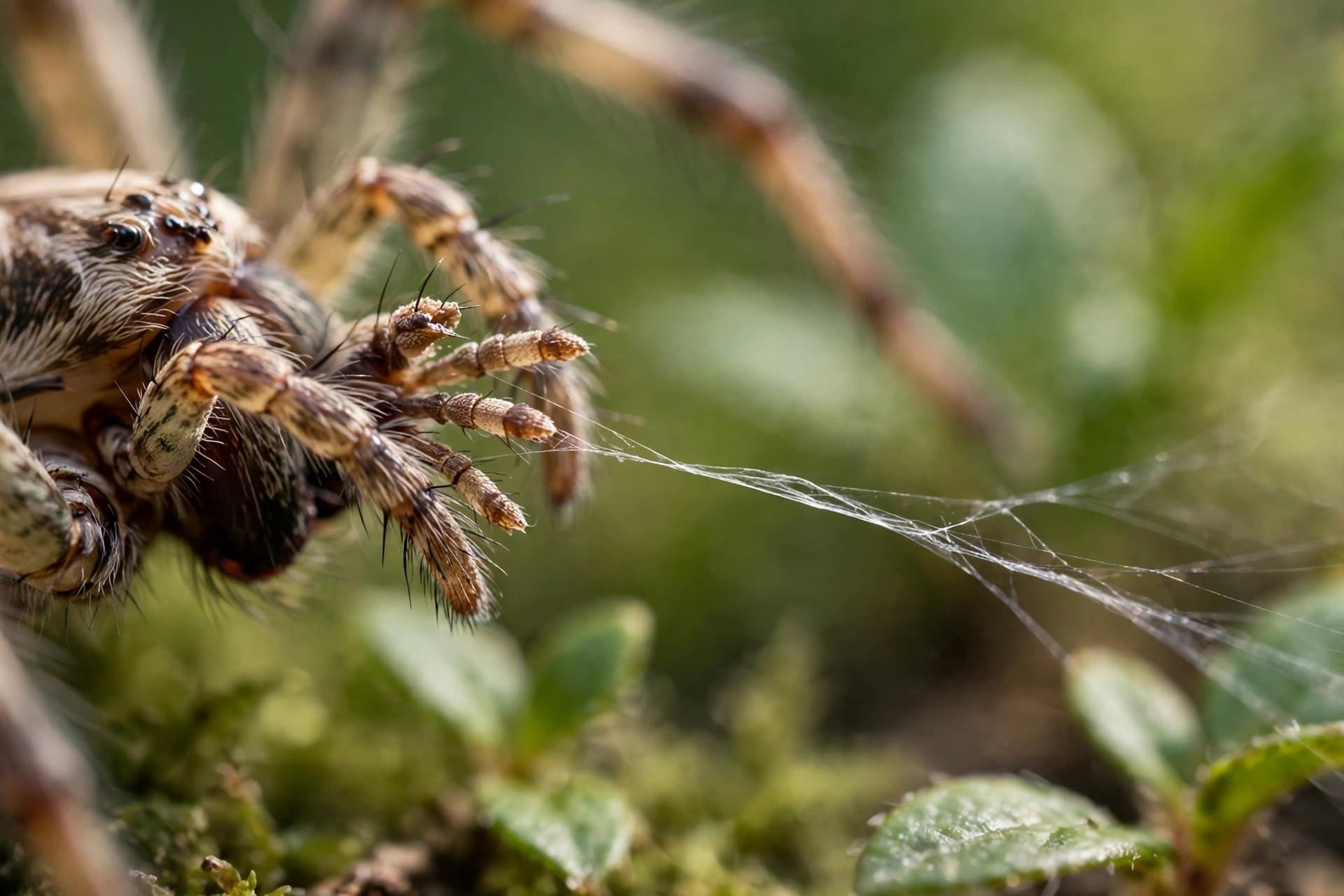
Image note: The images used here are AI-generated illustrations and do not depict actual spiders or laboratory equipment.
Sources: Quanta Magazine, EurekAlert (Kyoto University), Microscopy and Microanalysis (Cambridge), Nature
Published by Banx Network. This article is part of the Banx decentralized media programme, powered by the BXE token on the XRP Ledger.