At the edge of farmland in Northern California, where the horizon runs low and wide beneath a pale sky, a new neighborhood rises in careful layers. The walls are not framed in the traditional rhythm of studs and hammer strikes. Instead, they were formed by a machine — a printer head tracing thick ribbons of concrete, guided by digital instruction.
The promise sounded simple enough: faster construction, less waste, and homes that might cost less to build. In a state long defined by housing scarcity and escalating prices, 3D-printed homes seemed to offer a quiet revolution.
Yet in Yuba County, the numbers tell a more complicated story.
The first 3D-printed neighborhood in the United States — a cluster of five homes, each roughly 1,000 square feet — came with a total printing cost of about $1.5 million. The inaugural house sold for $375,000, a figure below the county’s median home price of approximately $450,000. On paper, that suggests progress.
But price per square foot paints a different picture. At $375 per square foot, the printed home sits well above Yuba County’s median of roughly $268 per square foot. The technology, still novel and in early adoption, has not yet delivered the dramatic savings many had envisioned.
The homes themselves are modest in scale — compact, modern, and shaped by the limitations and possibilities of extrusion printing. Thick, layered concrete walls curve slightly in places, their texture revealing the process of their making. The printing phase can be completed in a matter of days, far faster than conventional framing, though finishing work — plumbing, electrical systems, roofing — still follows more traditional timelines.
Proponents of 3D construction argue that this is the nature of innovation. Early projects often carry higher costs, shaped by research, specialized equipment, and small production runs. As scale increases and processes refine, they say, efficiencies may follow. In theory, automated construction could reduce labor shortages, minimize material waste, and standardize quality.
Skeptics note that affordability depends on more than wall construction alone. Land prices, permitting, infrastructure, and finishing costs remain significant drivers of overall home value. Even if printing reduces one portion of expense, the broader housing market exerts its own pressures.
In Yuba County, the first sale below the median may offer a symbolic foothold. For buyers priced out of more expensive California markets, even incremental savings can matter. Yet for those hoping that 3D printing would dramatically undercut traditional construction costs, the current figures temper expectations.
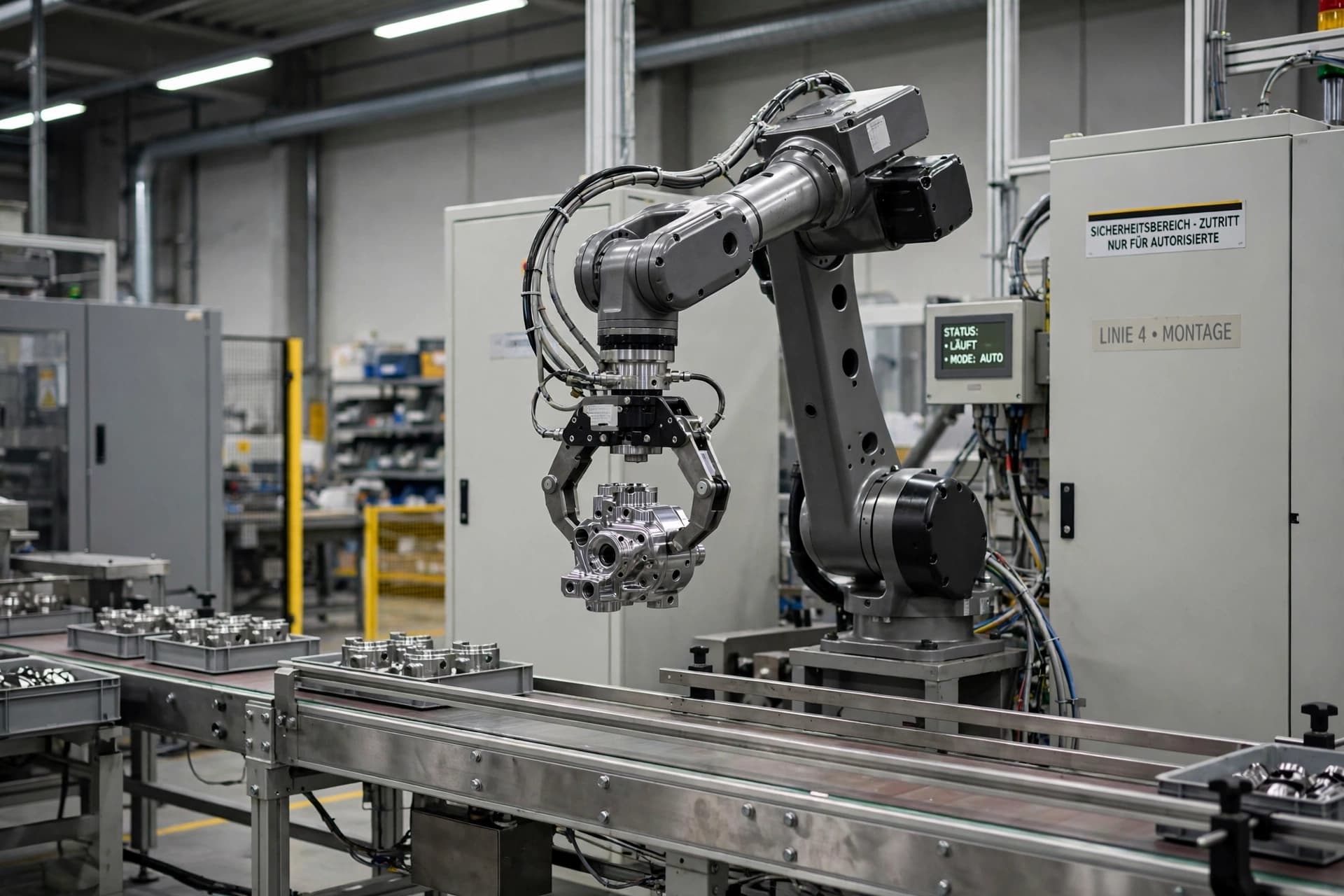
There is also the matter of perception. The image of a robotic arm building a house layer by layer captures imagination — a vision of housing assembled like a product, streamlined and repeatable. But housing is not only a product; it is entangled with zoning laws, supply chains, and community infrastructure.
As additional homes in the neighborhood come to market, developers and analysts will watch closely. Will costs decline with repetition? Will buyers embrace the aesthetic and structural differences of printed walls? Or will the novelty remain more technological milestone than economic solution?
For now, the five houses stand as both achievement and question. They mark the first time an American neighborhood has taken shape through large-scale 3D printing. They also reveal the complexity of translating technological innovation into broad affordability.
Concrete, once poured and set, holds its shape. The market, by contrast, remains fluid.
In the quiet of this new subdivision, the walls tell two stories at once: one of ingenuity, coded and extruded into being; the other of a housing system still resistant to easy transformation. The printer may move swiftly, but the economics of shelter evolve more slowly — layer by deliberate layer.
Published by Banx Network. This article is part of the Banx decentralized media programme, powered by the BXE token on the XRP Ledger.