In the quiet corridors of schools and community centers across Pennsylvania, a familiar yet formidable adversary has reemerged. Measles, a disease once thought to be under control through widespread vaccination, is now spreading with renewed vigor. The report of fifty-five new cases in just two days underscores the fragility of public health protections and the importance of collective responsibility in safeguarding community well-being.
The Pennsylvania Department of Health’s latest update reveals a total of eight hundred and ninety confirmed cases, a number that places the state at the center of the nation’s largest measles outbreak in decades. This surge is not merely a statistical anomaly but a reflection of deeper social and medical dynamics that require careful attention and thoughtful response.
Measles is highly contagious, spreading through the air when an infected person coughs or sneezes. Its ability to linger in spaces long after the infected individual has left makes it particularly challenging to contain. For those who are unvaccinated or whose immunity has waned, the risk of infection is significant, leading to potential complications that range from mild discomfort to severe hospitalization.
The recent spike in cases has prompted health officials to reinforce messaging around vaccination and isolation protocols. Schools and healthcare facilities are on high alert, implementing screening measures and encouraging parents to verify their children’s immunization status. These steps, while sometimes inconvenient, are essential tools in breaking the chain of transmission.
Behind each case is a story of individual choice, community influence, and access to information. Some families may hesitate due to misinformation or lack of trust in medical institutions, while others may face barriers to accessing healthcare services. Understanding these nuances is crucial for developing effective public health strategies that respect diverse perspectives while promoting safety.
The human cost of the outbreak is evident in the hundreds of hospitalizations and the tragic loss of life. Each hospitalization represents a strain on medical resources and a moment of fear for families. It is a reminder that diseases do not exist in isolation but are part of a broader social fabric that requires care and attention.
As the outbreak continues to spread across thirty-nine counties, the need for coordinated action becomes more urgent. Local health departments are working closely with state agencies to track contacts, provide testing, and offer support to affected communities. This collaboration highlights the importance of infrastructure in responding to public health crises.
The path to containment lies in a combination of scientific knowledge, community engagement, and compassionate leadership. As Pennsylvania navigates this challenging period, the focus remains on protecting the vulnerable and restoring confidence in public health measures. It is a test of resilience that calls for unity and informed action.
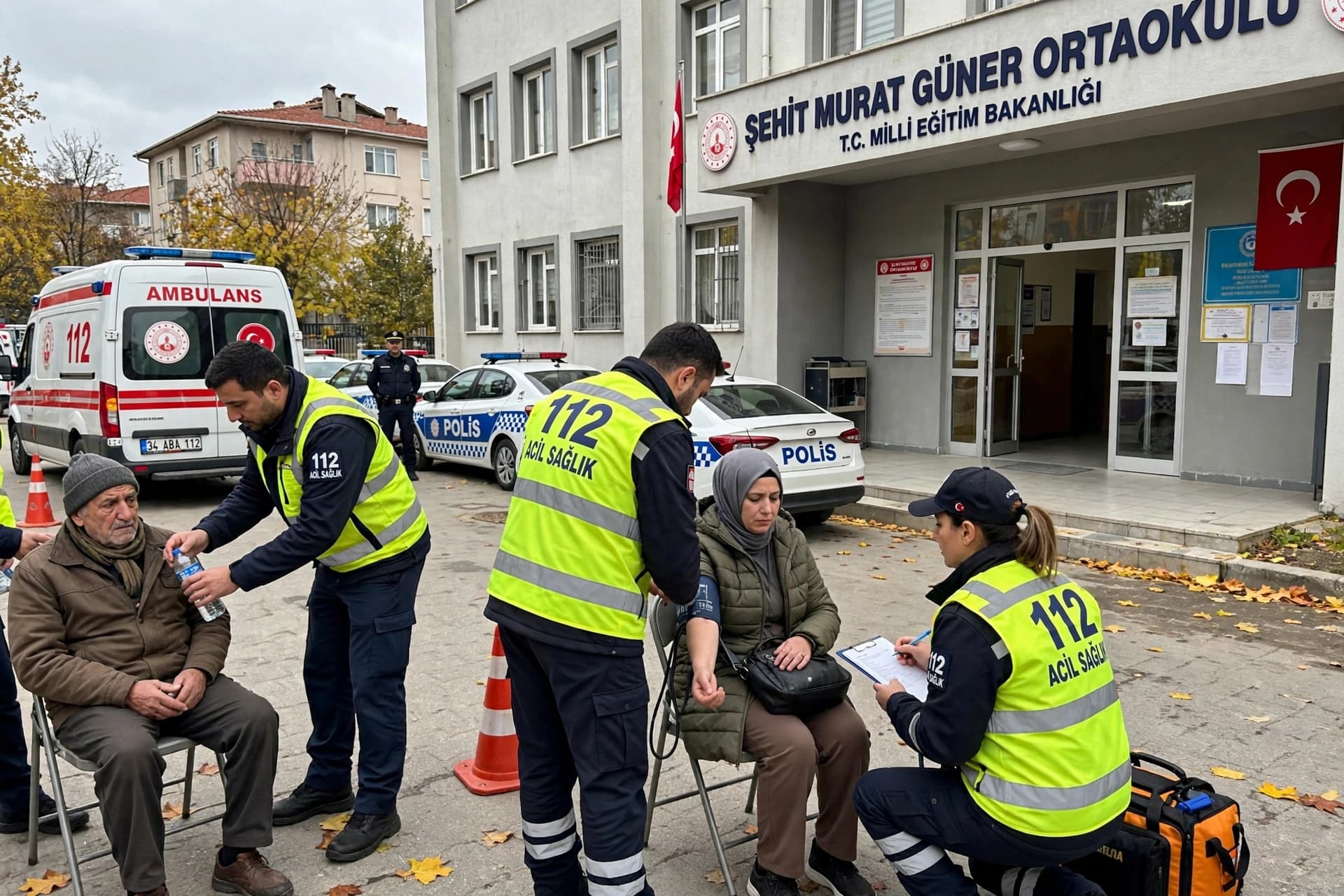
AI Image Disclaimer: Images used in this context are AI-generated representations intended to illustrate the concept of public health monitoring and do not depict real patients or medical facilities.
Sources: Pennsylvania Department of Health The Guardian ABC News PennLive CDC
Published by Banx Network. This article is part of the Banx decentralized media programme, powered by the BXE token on the XRP Ledger.