Heat is a familiar companion in Southern California, a golden warmth that defines much of the year. Yet, when the temperature rises to extreme levels, especially along the cooling influence of the coast, it becomes a formidable force. San Diego County has recently issued a rare coastal heat warning, signaling temperatures that defy the usual marine moderation. This unusual meteorological event serves as a poignant reminder of the changing climate and its impact on daily life. It invites us to reflect on our adaptation to extreme weather and the importance of community care during such trials.
The warning indicates that temperatures in coastal areas, which typically enjoy mild breezes and fog, will reach dangerously high levels. This anomaly is part of a broader heat wave affecting the region, driven by high-pressure systems that trap hot air. For residents accustomed to the temperate coastal climate, this shift can be disorienting and physically taxing. The lack of nighttime cooling exacerbates the discomfort, preventing the body from recovering from the day’s heat.
Public health officials urge residents to take precautions, such as staying hydrated, avoiding strenuous outdoor activity, and checking on vulnerable neighbors. The elderly, young children, and those with pre-existing health conditions are at greater risk of heat-related illnesses. Community centers and libraries often serve as cooling shelters, providing refuge for those without air conditioning. These resources are vital lifelines during extreme weather events.
The rarity of a coastal heat warning underscores the significance of this event. Historically, the ocean acts as a natural air conditioner, keeping coastal temperatures moderate. When this mechanism fails, it signals a disruption in normal weather patterns. Scientists attribute such anomalies to broader climate trends, including warming ocean temperatures and shifting atmospheric currents. Understanding these connections helps us prepare for a future where extremes may become more common.
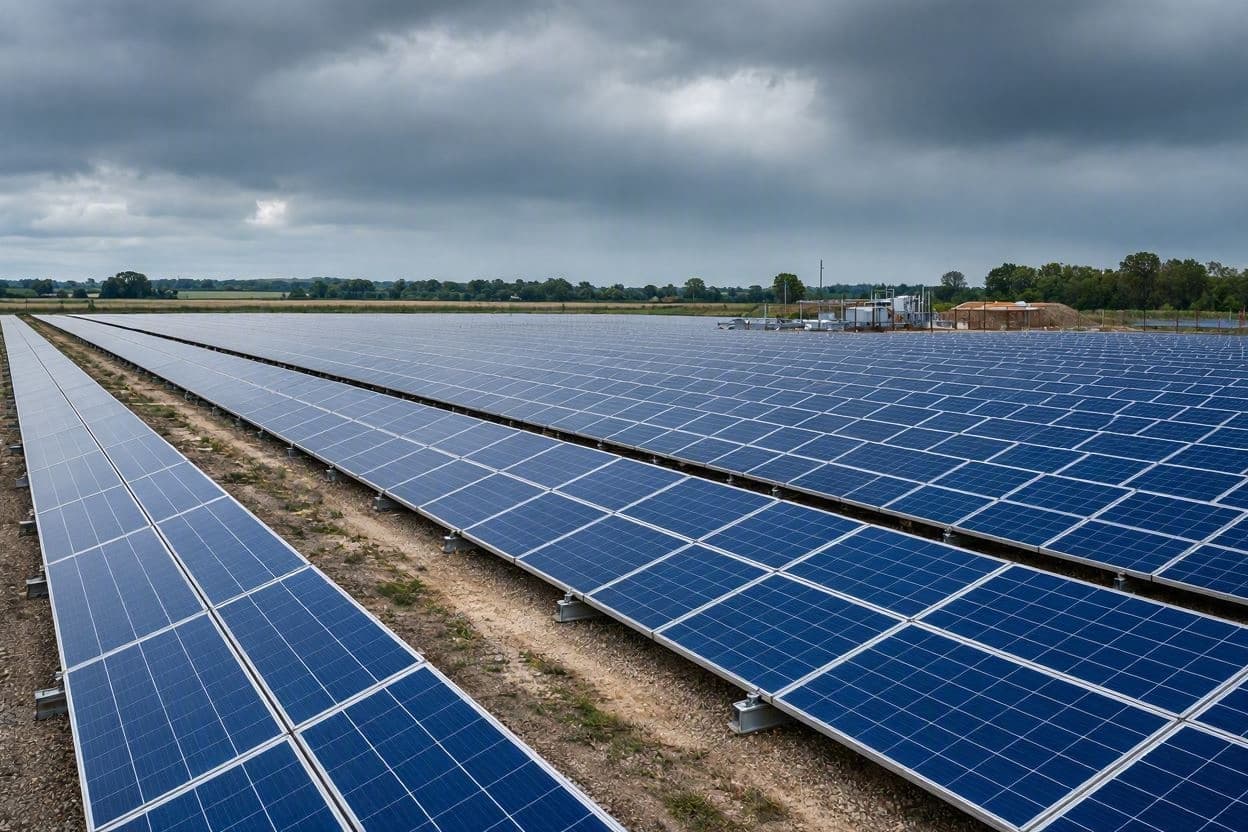
Energy demand surges during heat waves, straining the power grid as air conditioners run continuously. Utilities may issue conservation requests to prevent blackouts, asking residents to reduce usage during peak hours. This collective effort is crucial for maintaining reliability and preventing widespread outages. It is a moment where individual actions contribute to the stability of the entire system.
Local businesses also feel the impact, with outdoor activities declining and indoor venues seeing increased traffic. Restaurants, shops, and entertainment centers adapt by offering cooler environments and adjusted hours. The economic ripple effects of extreme weather are far-reaching, influencing consumer behavior and operational strategies. Adaptation becomes a key component of business resilience.
Environmental concerns also arise, as high temperatures can stress local ecosystems. Wildlife may struggle to find water and shade, and vegetation faces increased risk of fire. Conservation efforts may need to intensify to protect natural habitats during such periods. The interconnection between human comfort and ecological health is evident, reminding us of our shared environment.
As the heat wave persists, community solidarity becomes essential. Neighbors look out for one another, sharing tips and resources to cope with the conditions. Social media and local news outlets provide real-time updates, helping people stay informed and safe. This network of support mitigates the isolation that extreme weather can sometimes bring.
Looking ahead, the frequency of such warnings may increase, requiring long-term planning and infrastructure upgrades. Urban design, green spaces, and building standards all play a role in mitigating heat islands. Proactive measures can reduce the impact of future heat waves, creating more resilient communities. The current warning is a call to action for sustained environmental stewardship.
San Diego County’s rare coastal heat warning highlights the intensity of the current heat wave. It calls for vigilance, hydration, and community support. Let us stay cool and connected.
AI Image Disclaimer: Please be aware that images used in this context are AI-generated visualizations for illustrative purposes.
Sources: National Weather Service San Diego San Diego Union-Tribune CBS News San Diego
Published by Banx Network. This article is part of the Banx decentralized media programme, powered by the BXE token on the XRP Ledger.