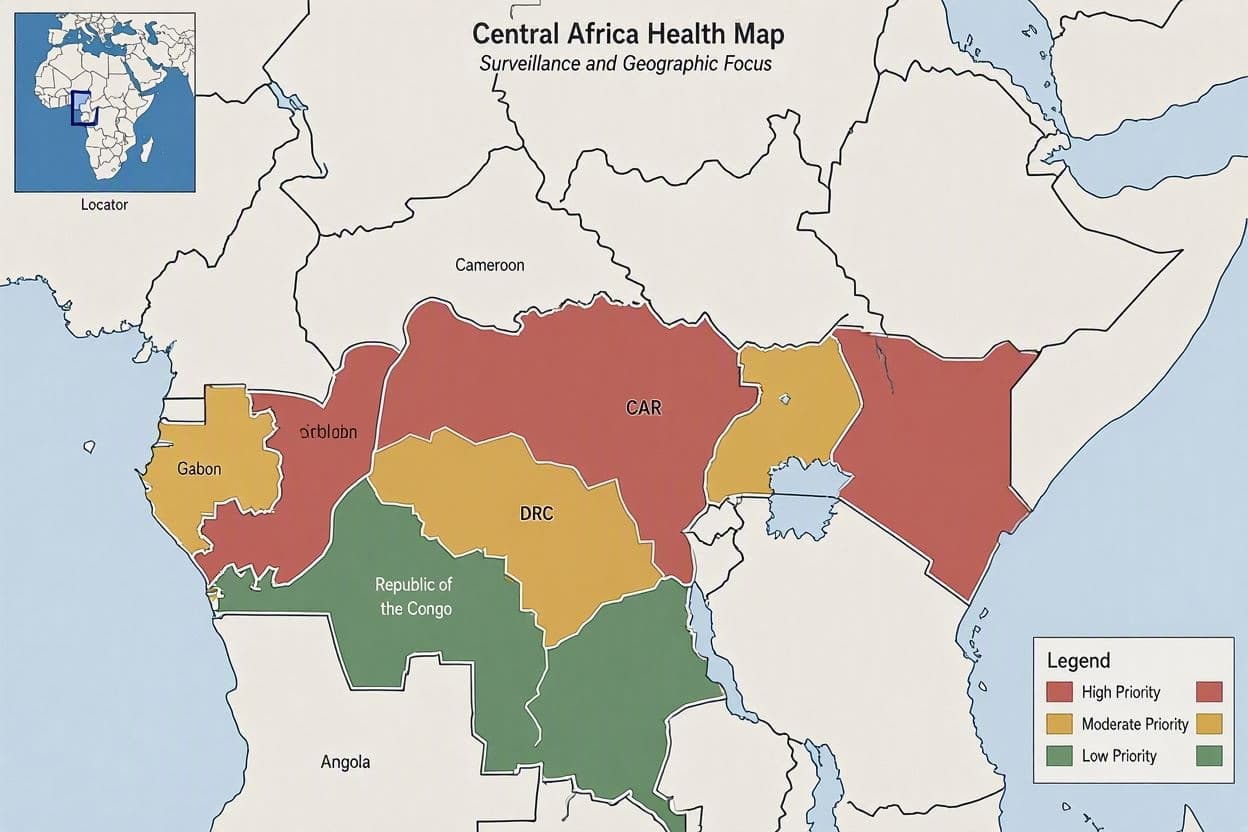
Public health emergencies often begin in isolated pockets, but their reach can extend far beyond initial boundaries if not contained with urgency and precision. The Africa Centres for Disease Control and Prevention (Africa CDC) has issued a stark warning regarding the Ebola outbreak in the Democratic Republic of the Congo, noting that the virus is spreading rapidly beyond its original epicenter. This development raises concerns for neighboring regions and underscores the fragility of health security in areas with limited resources.
The outbreak, caused by the Zaire ebolavirus, has seen cases emerge in new health zones, complicating containment efforts. Contact tracing, a critical tool in managing Ebola, becomes increasingly difficult as the virus moves into populated areas with high mobility. Health workers are racing against time to identify contacts, isolate cases, and administer vaccines to those at highest risk. The situation demands a coordinated response that bridges local action with regional support.
Ebola is a severe and often fatal disease, transmitted through direct contact with bodily fluids of infected persons. Symptoms include fever, fatigue, muscle pain, and vomiting, progressing to internal and external bleeding in severe cases. While survival rates have improved with early detection and supportive care, the virus remains a formidable threat, particularly in communities with weak healthcare infrastructure. Fear and stigma can also hinder reporting and treatment seeking.
The Africa CDC has called for increased funding and logistical support to bolster response efforts. This includes providing personal protective equipment for health workers, establishing treatment centers, and engaging community leaders to promote safe burial practices and hygiene education. International partners, including the World Health Organization, are mobilizing resources to assist, recognizing that an outbreak in one country is a concern for the entire continent.
Community trust is paramount in controlling the spread of Ebola. Misinformation and historical distrust of authorities can lead to resistance against health interventions. Engaging local voices and respecting cultural practices while promoting safety measures is essential for building cooperation. Success depends not just on medical expertise, but on social cohesion and mutual respect between health providers and the communities they serve.
The rapid spread highlights the need for robust surveillance systems that can detect outbreaks early and respond swiftly. Investment in laboratory capacity and training for frontline workers is crucial for long-term resilience. By strengthening these systems, countries can better manage not only Ebola but other emerging infectious diseases that pose similar threats to public health.
As the situation evolves, the global health community watches closely, ready to offer assistance where needed. The lessons learned from previous outbreaks inform current strategies, emphasizing speed, transparency, and collaboration. Each case prevented is a victory for public health, contributing to the stability and safety of the region.
In the face of this challenge, solidarity and science remain our strongest allies. By working together, nations and organizations can contain the outbreak and protect vulnerable populations. The path forward requires sustained commitment, compassion, and a shared determination to overcome the threat of Ebola.
AI Image Disclaimer: Images used in this article are AI-generated to illustrate the themes of public health response and community engagement, avoiding any depiction of actual patients or graphic medical scenes.
Sources: Africa CDC, World Health Organization, Reuters, Al Jazeera
Published by Banx Network. This article is part of the Banx decentralized media programme, powered by the BXE token on the XRP Ledger.