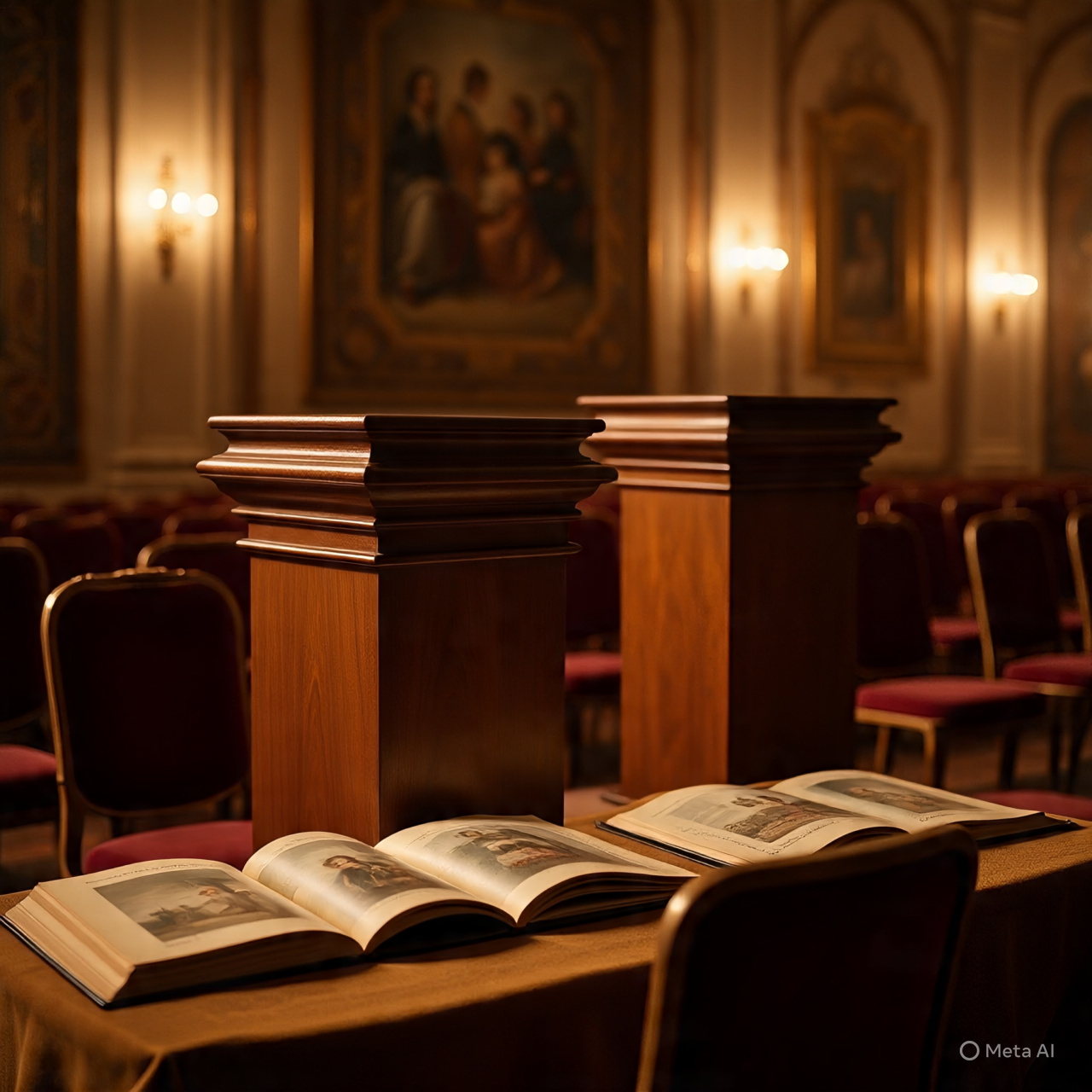
In the fragile hush of remembrance, a stark dissonance emerged when over 600 Holocaust-era items were put up for auction in western Germany. The planned sale, organized by the Felzmann auction house, would have included personal letters from concentration camp prisoners, Gestapo documents, and even a yellow Star of David from Buchenwald.
The event, titled “The System of Terror Vol. II 1933–1945,” triggered immediate outrage. For survivors, families, and memory institutions, the idea of trading such relics felt like a betrayal — a transformation of deep pain into a commodity. Christoph Heubner of the International Auschwitz Committee sharply condemned the auction, warning that historical trauma was being reduced to “mere objects of trade.”
Poland’s response was swift. Foreign Minister Radosław Sikorski publicly denounced the sale as “offensive,” telling his German counterpart that they must prevent the “scandal.” The Polish government, including its Culture Ministry, called for not just suspension but cancellation, urging the return of these artifacts to institutions like the Auschwitz Museum.
Under mounting pressure, the auction was cancelled. The listing on Felzmann’s website was taken down, according to reports. German officials, including the Foreign Minister Johann Wadephul, backed the decision, calling the planned sale an ethical misstep.
The auction house defended its role, arguing that private collectors contribute to preserving historical memory, not profiting from suffering. But that defense did little to calm critics, who fear that once such artifacts hit the market, they may disappear into private hands — potentially inaccessible to scholars, families, or memorial institutions.
AI Image Disclaimer Visuals are AI-generated illustrations, meant for concept only.
Published by Banx Network. This article is part of the Banx decentralized media programme, powered by the BXE token on the XRP Ledger.