
Key Highlights
- Colorado's graduated income tax proposal aims to replace the state's flat tax system.
- Supporters argue it will provide fairer funding for public services.
- The outcome of the measure could influence tax policies in other states.
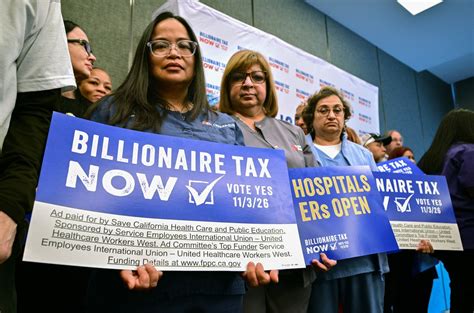
The recent ballot measure in Colorado proposing a graduated income tax has sparked significant debate about economic fairness and the funding of public services. Advocates of the measure celebrated a narrow victory this week, asserting that the current flat tax system disproportionately benefits the wealthy while undermining essential public services. If confirmed, this change would align Colorado with most other states that employ a graduated tax structure, where higher earners contribute at higher rates.
Historically, Colorado has maintained a flat tax system, a constitutional feature that has complicated efforts to increase revenue for critical areas such as education, infrastructure, and social services. Proponents of the graduated tax argue that the flat tax is regressive, placing an undue burden on low- and middle-income families. They contend that the current system has led to a decline in public services, which are vital for the state's residents.
Opponents of the measure, however, caution that implementing a graduated income tax could deter investment and drive high-income earners out of Colorado, potentially harming the state's economy. They argue that the flat tax has been a stable revenue source and that changing it could introduce uncertainty into the state's fiscal landscape.
The results of the ballot measure were closely contested, with the campaign declaring victory after late-counted ballots indicated a slight lead. However, opponents have yet to concede, and the final outcome remains uncertain. Should the measure pass, it is expected to face legal challenges due to Colorado's constitutional tax and spending limits, which could delay its implementation.
The timing of this campaign is particularly noteworthy, as Colorado, like many states, grapples with budgetary pressures exacerbated by the COVID-19 pandemic and economic downturn. The urgency of finding sustainable funding solutions for public services has intensified the debate surrounding tax reform. The graduated income tax represents one of the few avenues available for states seeking to raise revenue without resorting to regressive taxes, such as sales taxes.
For supporters, the measure's potential passage would validate their belief that the tax system should reflect individuals' ability to pay. Conversely, opponents view it as a threat to the state's economic competitiveness. The implications of this measure will resonate far beyond Colorado, as other states may look to its outcome when considering similar tax reforms.
As the legislative process unfolds, the specifics of the new tax brackets will need to be determined, and the public will continue to engage in discussions about the future of taxation in Colorado. The final resolution of this issue will likely take months or even years, as it navigates through legislative debates, potential court challenges, and public discourse.
AI Image Disclaimer: The visuals in this article are generated using AI tools and are illustrative only; they do not depict the actual campaign, the ballot measure, or the individuals involved.
Published by Banx Network. This article is part of the Banx decentralized media programme, powered by the BXE token on the XRP Ledger.