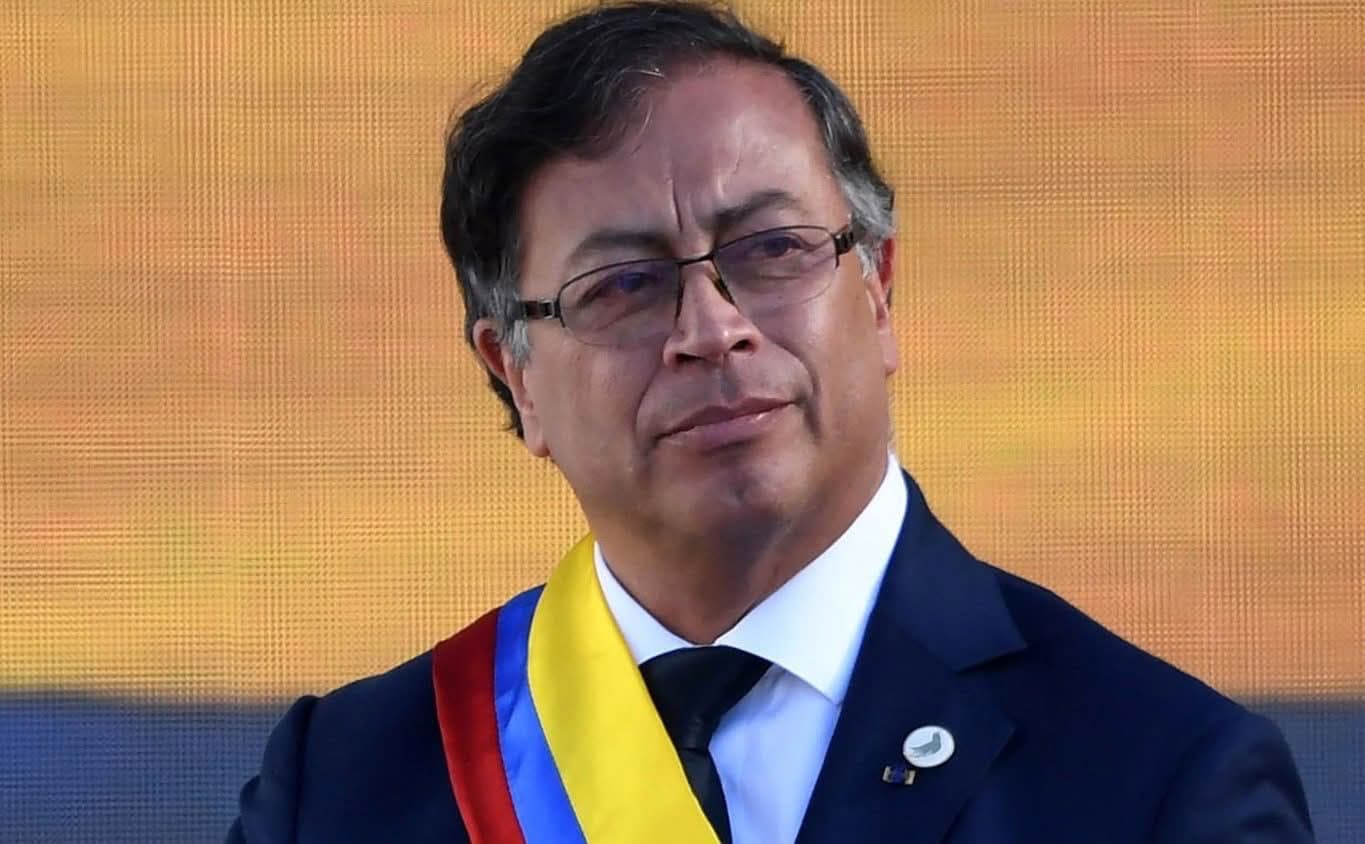
A social media post attributed to Gustavo Petro generated widespread attention and controversy after screenshots circulated online showing a brief message containing a phrase associated with one of history's most notorious dictators. The incident quickly became a topic of discussion across social media platforms, with users debating the context, intent, and implications of the message. Political figures, journalists, and commentators weighed in as screenshots spread internationally. In the digital age, public officials face intense scrutiny over their online communications. Even short messages can trigger significant reactions, influence public perception, and become the focus of international media coverage. As a result, political leaders often face pressure to clarify statements that generate confusion or controversy. Observers noted that context is critical when evaluating isolated social media posts. Screenshots frequently circulate without accompanying explanations, making it difficult for audiences to determine whether a message was intentional, sarcastic, accidental, or taken out of a broader conversation. The episode underscores the growing role of social media in modern politics. Platforms allow leaders to communicate directly with the public, but they also increase the speed at which controversial statements can spread globally. Political communication experts argue that rapid online reactions often occur before complete information becomes available. As discussions continue, attention remains focused on whether further clarification or explanation will be provided and how the incident may affect public and political discourse.
Published by Banx Network. This article is part of the Banx decentralized media programme, powered by the BXE token on the XRP Ledger.