On the frost‑bitten streets of Minneapolis, where winter’s breath mingles with the voices of protest, a deep tension has taken hold — a conflict that reaches from bustling city blocks to the highest echelons of federal power. What began with demonstrations against immigration enforcement has unfolded into a broader drama of policy, authority, and fear, echoing across tribal communities, city halls, and even the White House.
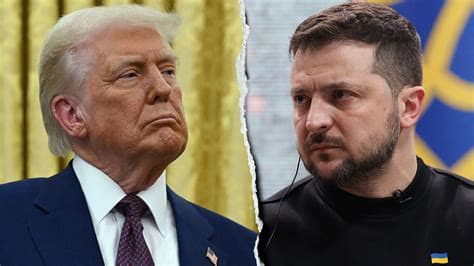
President Donald Trump, confronting swelling unrest tied to aggressive federal immigration enforcement operations in Minnesota, stepped before reporters this week and declared that, for now, he saw “no reason right now” to invoke the Insurrection Act — the nearly two‑century‑old law that would permit the deployment of regular armed forces in a domestic crisis. It was a measured retreat from earlier, more forceful language in which he threatened to use that power if state officials did not quell protests he described as violent and lawless.
Across Minneapolis and St. Paul, city and state leaders have called for de‑escalation as demonstrations continue in response to an immigration crackdown that has seen thousands of arrests and at least one fatal shooting involving a federal Immigration and Customs Enforcement (ICE) agent. This surge of federal agents — part of what authorities have dubbed Operation Metro Surge — has raised fears among many residents, particularly in immigrant and Native American communities.
Amid the unrest, tribal authorities and Native American advocacy groups have urged members to carry official tribal and state identification at all times, a precaution born of reports that individuals identifying as Indigenous have been stopped or detained by ICE officers. This guidance reflects deeper concern about rights and documentation during aggressive enforcement activity.
The backdrop to these tensions includes intense political scrutiny. The U.S. Department of Justice has opened investigations into whether Minnesota Governor Tim Walz and Minneapolis Mayor Jacob Frey impeded federal immigration enforcement — a move that adds another layer of strain between local and federal officials. Meanwhile, demonstrations draw both peaceful expression and clashes with law enforcement, prompting calls from some Minnesota leaders for federal restraint rather than escalation.
Inside the White House, Trump’s comments about the Insurrection Act suggest caution, even as he defends ICE activity and criticizes Minnesota officials for losing control of public order. “It’s very powerful,” he told reporters of the law’s authority, yet indicated he saw no current necessity to use it.
As winter deepens in the North Star State, Minnesotans continue to face uncertain days — weighed down by legal battles, community fears, and questions about how far federal power should extend in a city striving for security without sacrificing civil liberties.
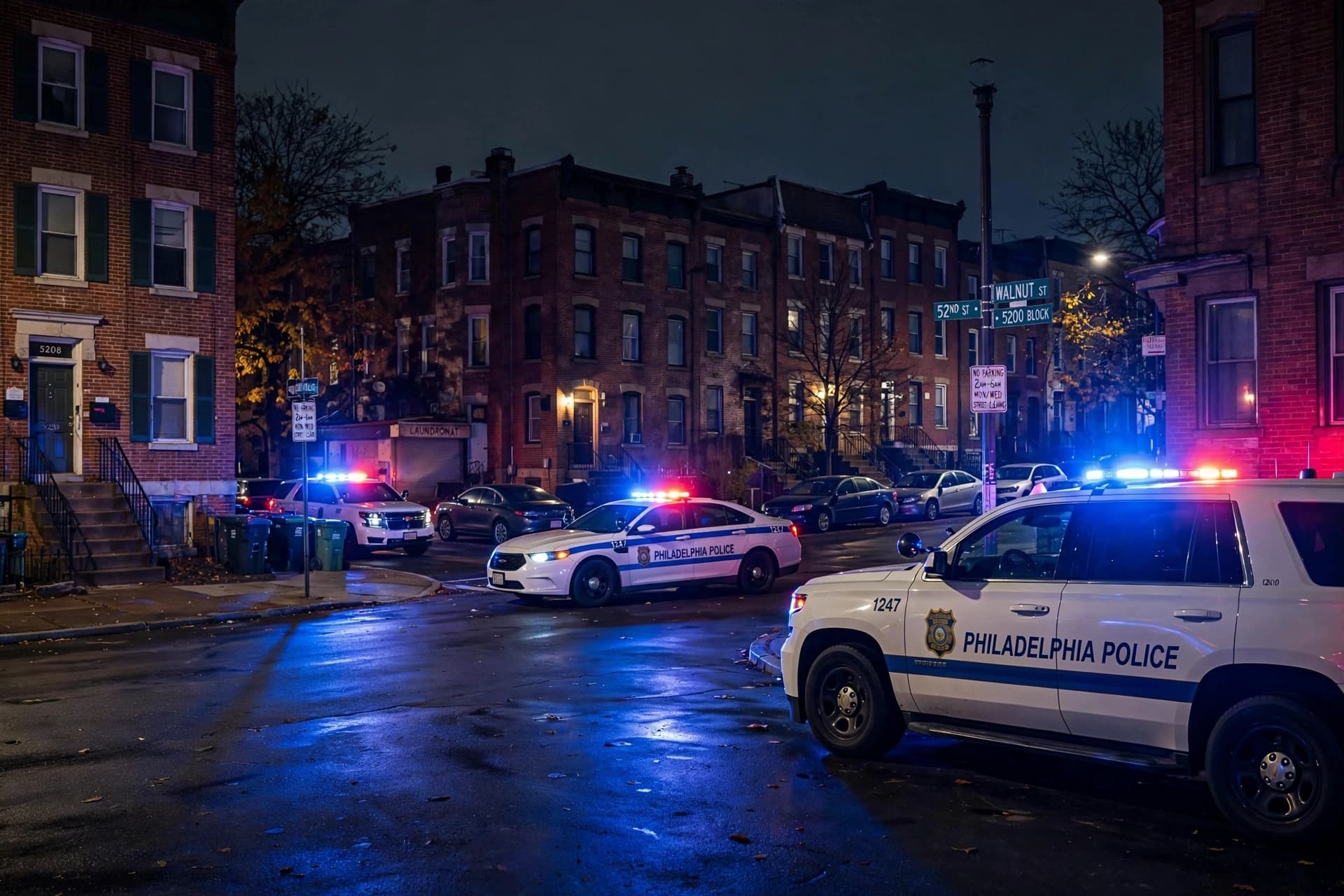
AI Image Disclaimer “Visuals are created with AI tools and are not real photographs; they are illustrative representations.”
Sources Fortune Star Tribune CBS News PBS NewsHour The Guardian
Published by Banx Network. This article is part of the Banx decentralized media programme, powered by the BXE token on the XRP Ledger.