In the intricate dance of modern mobility, technology serves as both guide and companion, offering clarity through digital interfaces that keep us informed and safe. Yet, when these screens falter, the connection between driver and machine is momentarily severed, reminding us of our reliance on software as much as steel. Recently, Toyota announced a significant recall affecting hundreds of thousands of vehicles in North America due to a glitch in the instrument panel display. This event invites reflection on the growing complexity of automotive systems and the importance of reliability in an increasingly digital driving experience. It is a moment where engineering precision meets the reality of code.
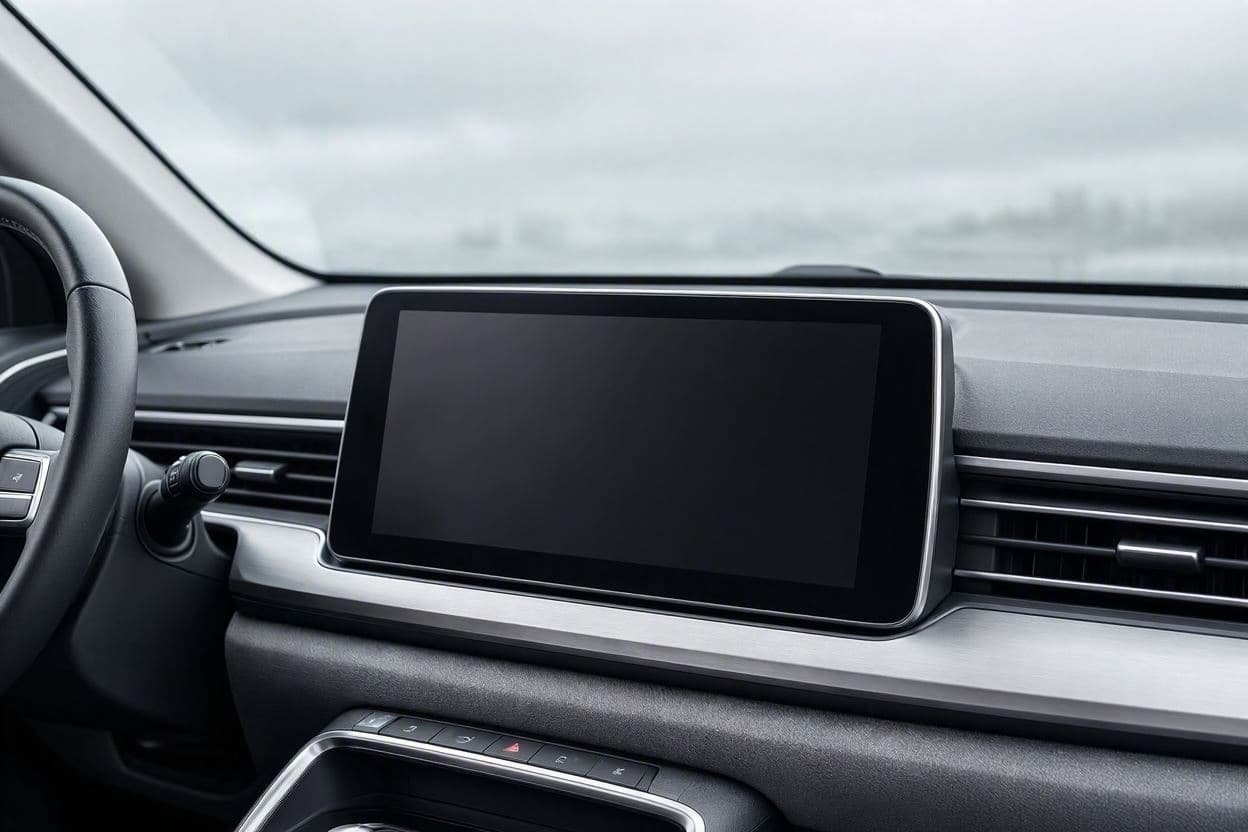
The recall involves approximately 591,000 vehicles in the United States and tens of thousands in Canada, including models such as the Camry, RAV4, Highlander, and various Lexus series. The issue stems from a software error that can cause the 12.3-inch digital instrument cluster to remain blank upon startup. While the vehicle remains mechanically operational, the lack of visual feedback for speed, fuel levels, and warning lights poses a safety risk. Visibility is vital for confidence.
Toyota has described the fix as a simple software update, which dealerships will perform free of charge. For owners, this means a brief visit to the service center rather than a major repair. The company’s proactive approach aims to address the issue before it leads to accidents or further inconvenience. Responsiveness builds trust.
For drivers accustomed to the immediacy of digital information, a blank screen can be disorienting. Critical alerts, such as low tire pressure or engine warnings, may go unnoticed, potentially leading to more severe mechanical issues. The incident highlights the dual nature of advanced dashboards: they offer rich data but also introduce new points of failure. Complexity brings vulnerability.
The recall affects a wide range of model years, primarily 2024 and 2025, indicating that even the newest vehicles are not immune to software teething problems. As cars become more like computers on wheels, the frequency of such updates may increase, changing the nature of vehicle maintenance. Evolution is constant.
Industry experts note that while hardware recalls have long been part of automotive history, software-related campaigns are becoming more common. This shift requires manufacturers to maintain robust cybersecurity and quality assurance protocols for their code. Adaptation is necessary for progress.
Toyota has issued a recall for over 500,000 vehicles in the U.S. and Canada due to a software issue causing blank instrument panel displays. Owners are advised to contact dealers for a free update. The hope is for swift resolution and continued safety on the roads.
AI Image Disclaimer: The visual elements accompanying this report are AI-generated interpretations designed to reflect the automotive and technological context of the story.
Sources: Toyota Pressroom Driving.ca Transport Canada
Published by Banx Network. This article is part of the Banx decentralized media programme, powered by the BXE token on the XRP Ledger.