Dust is often seen as a mere nuisance, a trivial accumulation of particles that settles in quiet corners. But on the Moon, dust is a formidable adversary, sharp as glass and pervasive as air. As NASA prepares to return humans to the lunar surface, understanding the interaction between rocket exhaust and this regolith has become a critical priority. Recent tests, involving firing rocket plumes into simulated moon dust, offer a glimpse into the chaotic dance of particles that awaits future astronauts.
The experiment took place in a large vacuum chamber, where scientists recreated the low-pressure environment of the Moon. By using actual rocket engines and lunar simulant—a material engineered to mimic the properties of moon dust—they were able to observe how exhaust gases disturb the surface. The results were striking, revealing clouds of dust that spread much farther and faster than previously predicted.
This phenomenon, known as plume-surface interaction, poses significant risks to landing spacecraft and nearby infrastructure. The high-velocity particles can erode surfaces, damage sensitive instruments, and obscure visibility during landing. Understanding the dynamics of this dust cloud is essential for designing landing pads and protecting habitats from abrasion and contamination.
The simulations also highlighted the complexity of modeling lunar dust behavior. Unlike Earth soil, lunar regolith lacks moisture and cohesion, making it behave more like a fluid when disturbed. This unique property means that traditional engineering models often underestimate the spread and impact of dust clouds. The new data helps refine these models, leading to more accurate predictions.
For the Artemis missions, which aim to establish a sustainable presence on the Moon, managing dust is not just a technical challenge but a safety imperative. Astronauts will need to operate in environments where dust is constantly being kicked up by landings and takeoffs. Protective measures, such as specialized coatings and filtration systems, are being developed based on these findings.
The research also has implications for the placement of lunar facilities. By understanding how far dust can travel, planners can determine safe distances between landing zones and habitats. This spatial planning is crucial for minimizing the risk of damage and ensuring the longevity of lunar infrastructure.
Moreover, the study contributes to our broader understanding of planetary surfaces. Similar processes occur on other airless bodies, such as asteroids and Mercury. Insights gained from lunar dust experiments can inform future missions to these destinations, enhancing our ability to explore the solar system safely.
The collaboration between engineers, physicists, and planetary scientists in this effort demonstrates the interdisciplinary nature of space exploration. Solving the dust problem requires a combination of experimental data, theoretical modeling, and practical engineering solutions. It is a testament to the thoroughness with which NASA is approaching the challenges of returning to the Moon.
As the tests continue, each iteration brings us closer to a comprehensive understanding of the lunar environment. The goal is not just to land safely, but to thrive in a landscape that is both beautiful and hostile. By mastering the behavior of moon dust, we take a significant step toward making the Moon a viable home for human exploration.
NASA’s experiments with rocket exhaust and simulated moon dust provide vital insights into the challenges of lunar landing. By understanding plume-surface interactions, engineers can design safer spacecraft and habitats. This research is a crucial step in ensuring the success and sustainability of future human missions to the Moon.
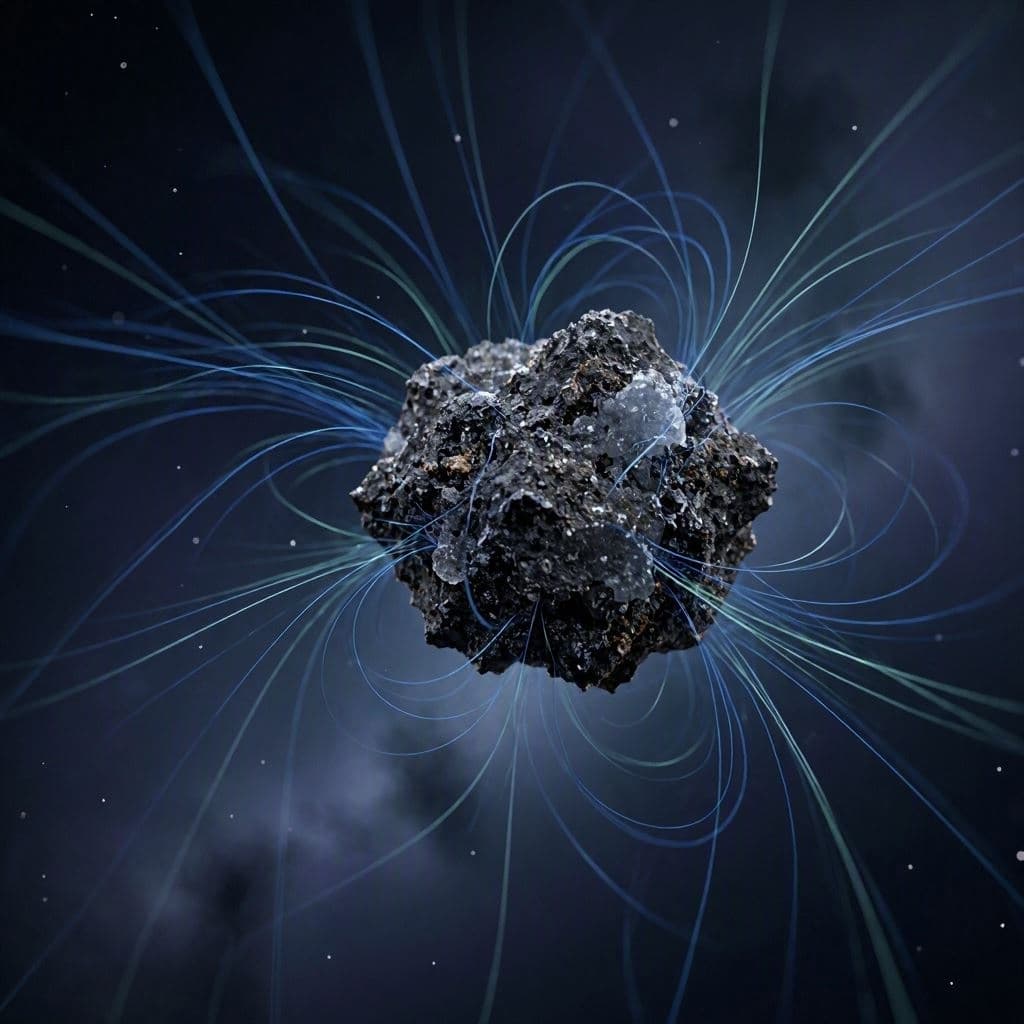
AI Image Disclaimer: The visuals accompanying this article are AI-generated representations designed to illustrate the interaction between rocket plumes and lunar regolith in a vacuum environment.
Sources: NASA Glenn Research Center Planetary and Space Science ScienceDaily
Published by Banx Network. This article is part of the Banx decentralized media programme, powered by the BXE token on the XRP Ledger.