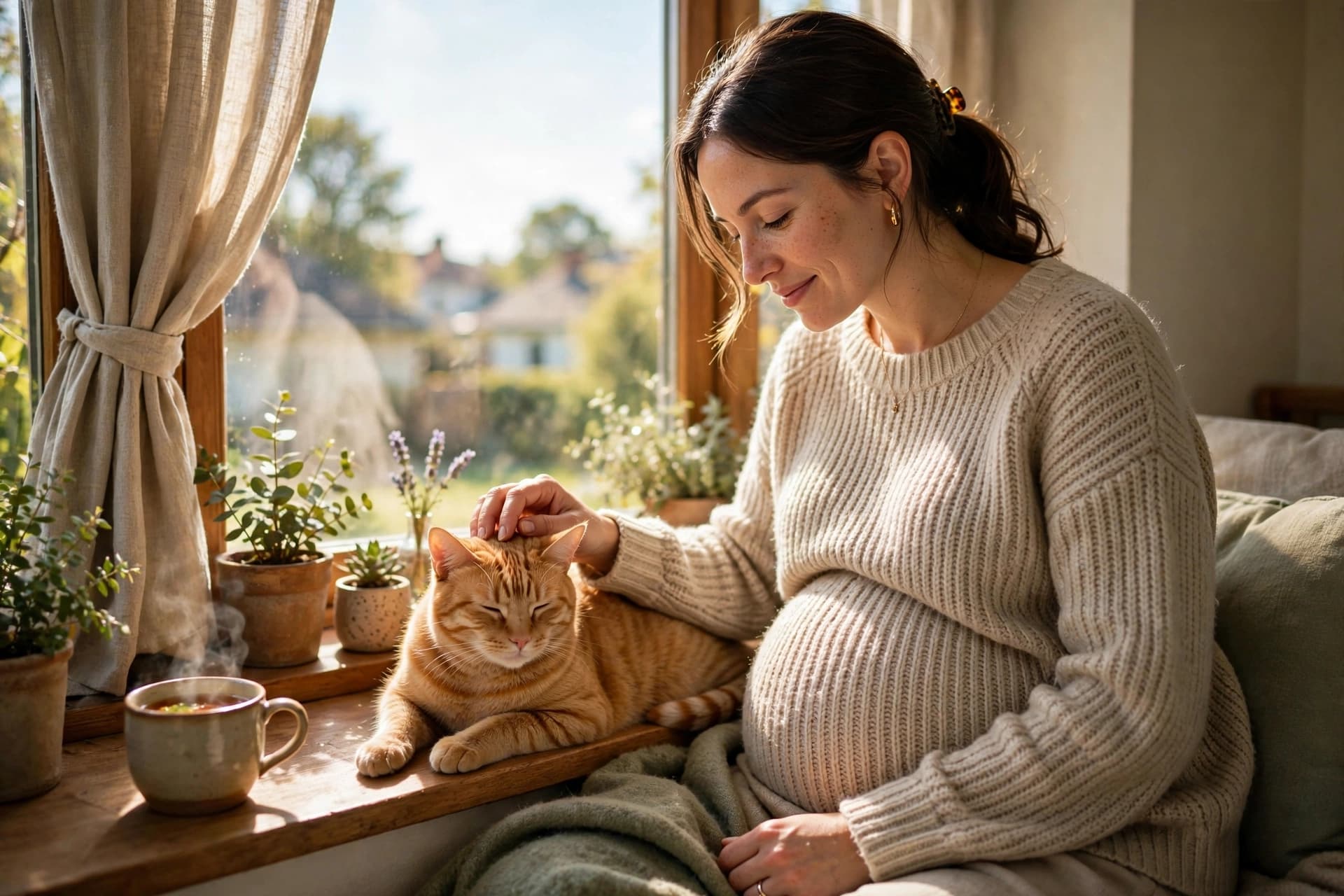
For many pregnant women, the joy of expecting a child is sometimes shadowed by well-meaning but often exaggerated warnings about household pets. Among these, the fear of Toxoplasma gondii, a parasite associated with cats, has led to unnecessary anxiety and even the heartbreaking decision to rehome beloved companions. Recent medical insights clarify that the risk posed by indoor cats is minimal, revealing that the narrative of danger is often a "miscarriage of justice" against these gentle animals. Understanding the true sources of infection can restore peace of mind and preserve the bond between families and their feline friends.
Toxoplasma gondii is a common parasite that can infect most warm-blooded animals, including humans. While cats are the definitive hosts—meaning the parasite can reproduce sexually in their intestines—the risk of transmission to humans is frequently misunderstood. Most human infections actually come from consuming undercooked meat, unwashed vegetables, or contaminated soil, rather than direct contact with cats. The stigma attached to cat ownership during pregnancy is largely based on outdated or incomplete information.
For a cat to shed the parasite in its feces, it must first become infected, usually by hunting rodents or birds outdoors. Indoor cats that eat commercial cat food are extremely unlikely to carry the parasite. Furthermore, even if a cat is infected, it only sheds the oocysts (eggs) for a short period, typically one to three weeks in its entire life. After this initial shedding, the cat develops immunity and no longer poses a risk. Therefore, the window of potential transmission is narrow and often missed.
The oocysts shed in cat feces also require time to become infectious. Fresh feces are not immediately dangerous; it takes one to five days for the oocysts to sporulate and become capable of causing infection. This means that daily litter box cleaning significantly reduces any already low risk. Pregnant women are advised to avoid changing litter boxes if possible, or to wear gloves and wash hands thoroughly afterward, but this is a precautionary measure rather than an emergency response.
Comparatively, the risk of contracting toxoplasmosis from gardening in soil contaminated with cat feces or eating raw or undercooked meat is much higher. Studies have shown that cat ownership itself is not a strong predictor of Toxoplasma infection in humans. In fact, many people who have never owned a cat have been exposed to the parasite through dietary habits. This discrepancy highlights the need for a more balanced approach to prenatal health advice.
If a woman is infected with Toxoplasma for the first time during pregnancy, there is a risk of passing it to the fetus, which can lead to serious health issues. However, if she was infected before conception, she has developed immunity, and there is virtually no risk to the baby. Simple blood tests can determine immunity status, providing clarity and reassurance. For those who are not immune, basic hygiene practices are sufficient to manage the risk.
The emotional toll of giving up a pet during pregnancy can be significant, adding stress to an already transformative time. Recognizing that cats are not the primary villains in this story allows families to make informed decisions without fear. Keeping cats indoors, feeding them commercial food, and maintaining good hygiene are effective strategies that allow both mother and pet to thrive.
Healthcare providers are increasingly emphasizing evidence-based guidance over traditional myths. By educating patients about the real sources of Toxoplasma, they can help reduce unnecessary anxiety and promote healthier, happier pregnancies. The bond between humans and animals is a source of comfort and joy, and preserving it is beneficial for mental well-being.
The fear of Toxoplasma gondii from household cats is often disproportionate to the actual risk. With proper hygiene and understanding, pregnant women can safely enjoy the companionship of their feline friends. Let us replace myth with knowledge, ensuring that justice is served to both mothers and their pets.
AI Image Disclaimer: The visuals in this article are AI-generated artistic interpretations intended to convey the theme of harmony between humans and pets, not actual medical images or diagnostic tools.
Sources: Mayo Clinic, Humaneworld.org, UCLA Health, CDC, SaveACat.org
Published by Banx Network. This article is part of the Banx decentralized media programme, powered by the BXE token on the XRP Ledger.