The Gordie Howe International Bridge, a striking new connection between Windsor, Ontario, and Detroit, Michigan, was designed with more than just cars in mind. Its multi-use path offers pedestrians and cyclists a scenic route across the border, promoting active transportation and cross-cultural exchange. Recently, the rules for this path have evolved, with the Windsor-Detroit Bridge Authority announcing that Class 1 pedal-assist e-bikes are now permitted. This change marks a significant step toward inclusivity and modern mobility.
Class 1 e-bikes are defined by their specific operation: the electric motor provides assistance only when the rider is pedaling, and it cuts off at speeds of 20 mph (32 km/h). Unlike throttle-controlled models, these bikes require human effort, making them a hybrid between traditional cycling and motorized transport. By allowing them, the bridge authority recognizes the growing popularity of e-bikes as a viable option for commuters and recreational riders alike.
This decision reflects a broader trend in urban planning, where infrastructure adapts to new technologies. E-bikes make cycling accessible to a wider range of people, including older adults, those with physical limitations, or commuters facing long distances. By welcoming them, the Gordie Howe Bridge encourages more people to choose active travel over driving, reducing traffic congestion and environmental impact. It is a forward-thinking move that aligns with sustainable development goals.
For cyclists, the change means greater flexibility. Riders can now tackle the bridge’s incline with less physical strain, making the journey more enjoyable and less daunting. This could lead to increased usage of the path, fostering a vibrant community of cyclists and pedestrians. The scenic views of the river and the cities become more accessible to those who might have previously found the ride too challenging.
Safety remains a priority. The bridge authority has emphasized that all users must follow established rules, including keeping to the right and yielding to pedestrians. Speed limits are enforced to ensure that the shared space remains safe for everyone. Education campaigns are likely to accompany the policy change, helping riders understand their responsibilities and the benefits of courteous behavior.
The inclusion of Class 1 e-bikes also sets a precedent for other infrastructure projects. As e-bike technology continues to improve, cities and regions will need to decide how to integrate them into existing networks. The Gordie Howe Bridge’s approach offers a model of balance, embracing innovation while maintaining safety and order. It shows that progress and regulation can go hand in hand.
For local businesses and tourism, the change could bring economic benefits. More cyclists mean more visitors stopping at shops and cafes on both sides of the border. The ease of travel encourages exploration, boosting local economies and fostering cultural connections. It is a small policy shift with potentially large ripple effects.
In the end, the allowance of pedal-assist e-bikes is a celebration of choice and accessibility. It invites more people to experience the joy of cycling and the beauty of the bridge. By adapting to the needs of modern riders, the Gordie Howe International Bridge reinforces its role as a connector of people, places, and possibilities.
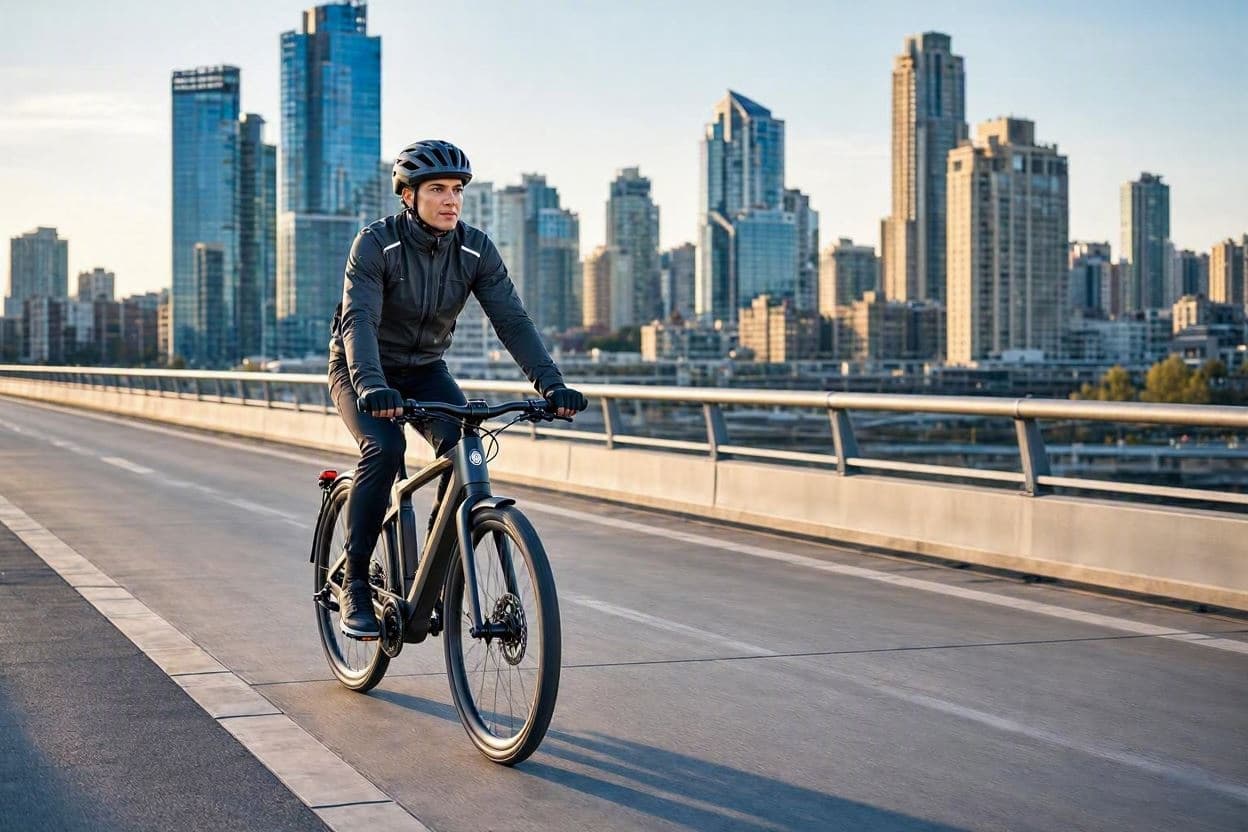
AI Image Disclaimer: The visual aids included here are AI-generated illustrations depicting cyclists on bridges and e-bike concepts, not actual photographs of the Gordie Howe Bridge or specific riders.
Sources: Windsor-Detroit Bridge Authority CTV News Windsor Audacy WWJ Newsradio
Published by Banx Network. This article is part of the Banx decentralized media programme, powered by the BXE token on the XRP Ledger.