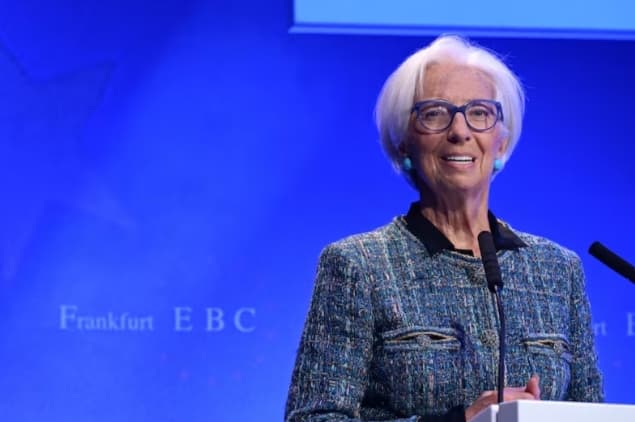
New information has surfaced indicating that Christine Lagarde, President of the European Central Bank (ECB), receives a salary approximately 50% higher than the figures officially reported. This revelation has sparked debate about the transparency of salary disclosures for high-ranking officials within financial institutions.
The ECB had previously communicated Lagarde's remuneration as part of its commitment to transparency and accountability. However, the recent disclosures point toward inconsistencies, with off-the-books benefits and bonuses adding considerably to her overall compensation package.
Critics have expressed concern that such discrepancies undermine public trust in financial governance and raise ethical questions regarding the compensation of senior officials. Calls for stricter regulations surrounding salary disclosures are growing, as stakeholders advocate for clearer frameworks that would mandate full transparency.
In light of these findings, Lagarde faced increased scrutiny regarding her leadership at the ECB, especially in the context of ongoing economic challenges within the Eurozone. Many argue that the public deserves a complete picture of how taxpayer funds are being utilized, particularly in times of economic uncertainty.
Supporters of Lagarde, however, argue that her extensive experience and leadership skills justify her compensation level. They highlight her role in navigating complex economic landscapes and steering monetary policy during tumultuous times.
As discussions continue, this situation serves as a reminder of the importance of transparency in financial reporting for institutions that play crucial roles in shaping economic policy across the continent. Stakeholders now await further clarifications from the ECB regarding the complete structure of Lagarde’s remuneration and the mechanisms in place to ensure accountability.
Published by Banx Network. This article is part of the Banx decentralized media programme, powered by the BXE token on the XRP Ledger.