In the vibrant political landscape of Quebec, where identities intertwine and aspirations for governance shift like the seasons, a new poll suggests a changing tide. The Coalition Avenir Québec (CAQ) has reclaimed the lead, positioning itself ahead of the Parti Québécois (PQ) and the Liberal Party as the October 5 election approaches. This development is not merely a statistical fluctuation but a reflection of evolving voter sentiments, shaped by debates over language, economy, and social values. It is a moment that invites reflection on the dynamic nature of democratic choice in a province known for its distinct voice.
The CAQ’s resurgence comes after a period where the PQ held a narrow advantage, driven by strong support for sovereignty and cultural protection. However, recent weeks have seen voters recalibrating their priorities, perhaps seeking stability or a different approach to provincial challenges. The CAQ’s platform, which balances nationalist themes with pragmatic governance, appears to resonate with those looking for a middle path. This shift underscores the fluidity of political allegiance, where today’s leader can become tomorrow’s challenger.
For the Parti Québécois, this dip in support serves as a reminder of the complexities of campaigning in a multi-party system. While their core message of independence remains powerful for many, it may not be sufficient to secure a majority in a crowded field. The Liberals, meanwhile, find themselves in third place, striving to reconnect with voters who value federalist perspectives and economic liberalism. Each party must now adapt its strategy to address the concerns of an electorate that is increasingly discerning and engaged.
The poll results highlight the importance of key issues such as healthcare, education, and housing, which dominate public discourse. Voters are looking for solutions that address immediate needs while respecting Quebec’s unique cultural fabric. The CAQ’s ability to frame itself as the party of competent management may be gaining traction, offering a sense of reliability amidst uncertainty. This perception can be a decisive factor in close races, where trust often outweighs ideology.
As the campaign enters its final stretch, the intensity of debate is likely to increase. Leaders will engage in rigorous exchanges, testing their policies against scrutiny and public opinion. These interactions are vital for a healthy democracy, allowing citizens to weigh options and make informed decisions. The media plays a crucial role in facilitating this dialogue, ensuring that diverse viewpoints are heard and understood.
For undecided voters, this poll may serve as a catalyst for deeper reflection. It encourages them to consider what matters most: sovereignty, stability, or change. The choice is personal yet collective, shaping the future direction of the province. Engaging with these questions is a civic duty, one that requires attention and care.
Looking ahead, the possibility of a minority government looms, adding another layer of complexity to the political landscape. Such an outcome would require cooperation and negotiation, fostering a spirit of compromise. It reflects the maturity of Quebec’s democracy, where no single voice dominates entirely, but rather, a chorus of perspectives seeks harmony.
In the end, the CAQ’s lead is a snapshot in time, subject to change as the election unfolds. It reminds us that politics is a living process, responsive to the hopes and fears of the people. As Quebecers prepare to vote, let them do so with clarity and purpose, knowing that their voices will shape the province’s destiny. May the outcome reflect the true will of the people, guided by wisdom and hope.
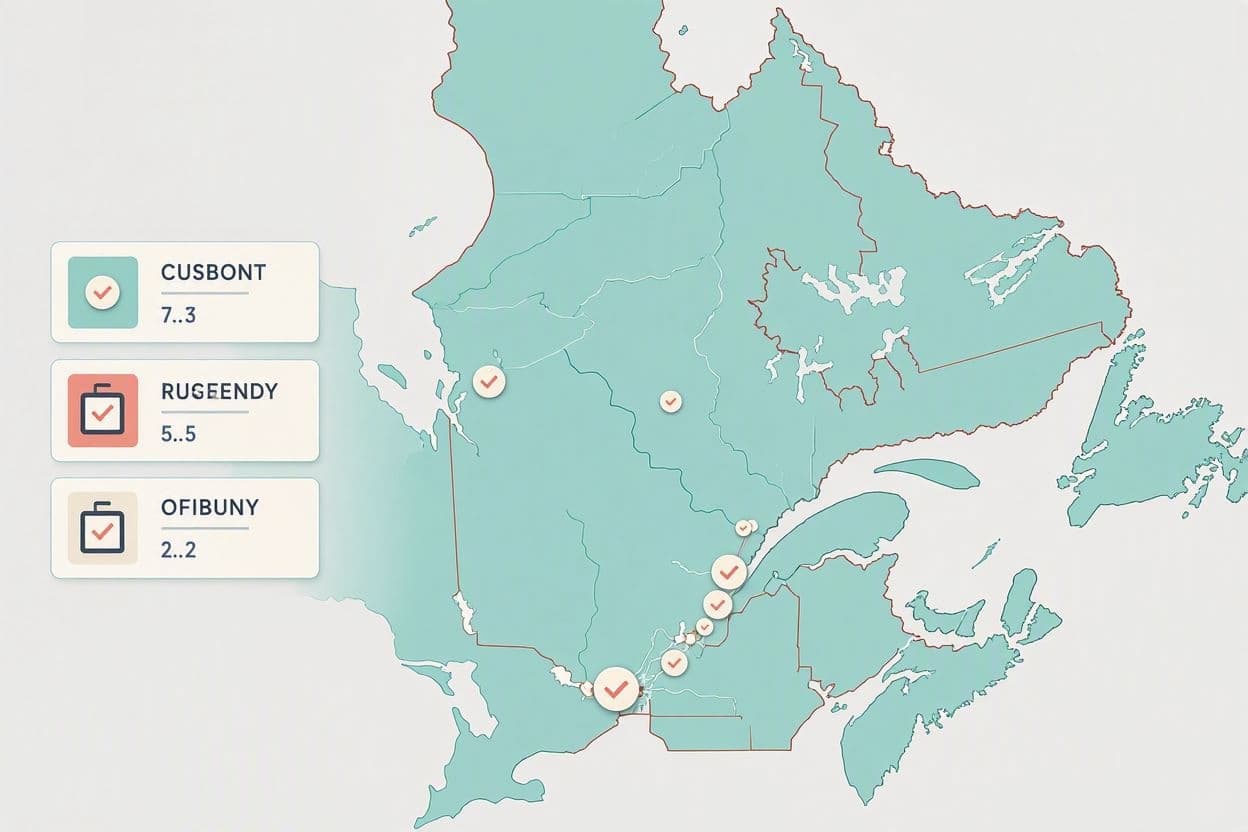
Note: The visual elements accompanying this article are AI-generated interpretations designed to reflect the themes of political engagement and democratic choice.
Sources: CTV News Montreal, Pallas Data, Le Devoir, CBC News
Published by Banx Network. This article is part of the Banx decentralized media programme, powered by the BXE token on the XRP Ledger.