In the tapestry of modern technology, where the quantum and the classical meet at a threshold of possibility, a quiet revolution is taking shape. Deep inside a laboratory in Beijing, a team of Chinese scientists has made a stride that resonates well beyond the chalkboards and circuit boards of their research facility: by using a novel quantum processor called “Zhuangzi 2.0,” researchers have unlocked a subtler layer of control over quantum systems that could help overcome one of the field’s most persistent challenges. Their findings — now published in Nature — illuminate a way to stabilize quantum information long enough to perform meaningful computation, bringing the promise of quantum computing closer to real‑world impact.
At the heart of the breakthrough lies a curious quantum behavior called prethermalization. In everyday terms, it’s a kind of “pause” before chaos ensues — imagine putting a block of ice near the melting point where it neither freezes nor turns fully to water, lingering in a brief, orderly state. In quantum systems, this metastable phase can preserve delicate information, shielding quantum bits (or qubits) from collapsing too quickly into disorder — the nemesis of all quantum computation.
The Zhuangzi 2.0 processor — so named after the ancient Chinese philosopher Zhuangzi, whose work often explored paradoxes and deep patterns — contains 78 qubits arranged in a two‑dimensional superconducting layout. It operates in a regime where qubits interact in complex ways that classical computers can’t feasibly simulate as system size grows. That complexity, when carefully harnessed, allows the processor to explore realms of computation beyond the reach of the fastest silicon‑based machines.
In their experiment, the researchers applied a technique called Random Multipolar Driving, a specific pattern of energy pulses that effectively “tunes” the rhythm of the quantum system. This tuning let them extend the prethermal plateau — the period when information remains stable — or shorten it, depending on the desired computational goal. Think of it like stretching or compressing the window before a tide turns: a controllable moment of calm before complexity takes over.
This discovery is significant because heat and decoherence — the loss of information due to environmental interaction — remain the quintessential obstacles to reliable quantum computation. Qubits are inherently fragile; even minor disturbances can erase the superpositions that give quantum computers their theoretical advantage. By managing the onset of disorder, the team’s approach effectively buys precious computational time.
The implications of this work extend beyond the lab’s controlled environment. While 78 qubits might seem modest compared to the billions of bits in everyday computers, the interactions among qubits scale exponentially, making direct simulation on classical machines infeasible beyond a certain size. In this sense, even mid‑scale quantum processors like Zhuangzi 2.0 can explore dynamics that push the limits of classical computation.
Fan Heng, a lead author of the study and a physicist at the Institute of Physics under the Chinese Academy of Sciences, emphasized that this achievement wasn’t simply about adding more qubits. It required an integrated effort: experimental innovation, theoretical insight, and precise engineering to craft pulse sequences that shape how energy flows through the quantum system. This holistic approach represents a maturing phase in quantum research, where nuanced control becomes as important as brute‑force scaling.
China’s efforts in quantum computing are part of a broader global competition that has seen rapid progress in recent years. For example, earlier accomplishments in the field included processors like “Zuchongzhi 3.0,” a 105‑qubit superconducting machine reported to exhibit computational speeds far beyond what classical supercomputers can match on specialized tasks.
Yet the journey toward practical quantum computing remains long. Challenges such as error correction and fault tolerance — the ability to maintain reliable computation in the face of inevitable noise — are yet to be fully solved. Nonetheless, breakthroughs like the Zhuangzi 2.0 experiment help chart a more navigable path. By understanding and controlling the delicate dance between order and chaos in quantum systems, researchers gain tools that could one day make quantum computers indispensable for solving problems in materials science, cryptography, optimization, and fundamental physics.
In this new chapter of technological discovery, Zhuangzi 2.0 stands as more than a machine; it is a symbol of how human ingenuity shepherds the bizarre beauty of quantum mechanics, transforming fleeting quantum states into stable bridges toward the future.
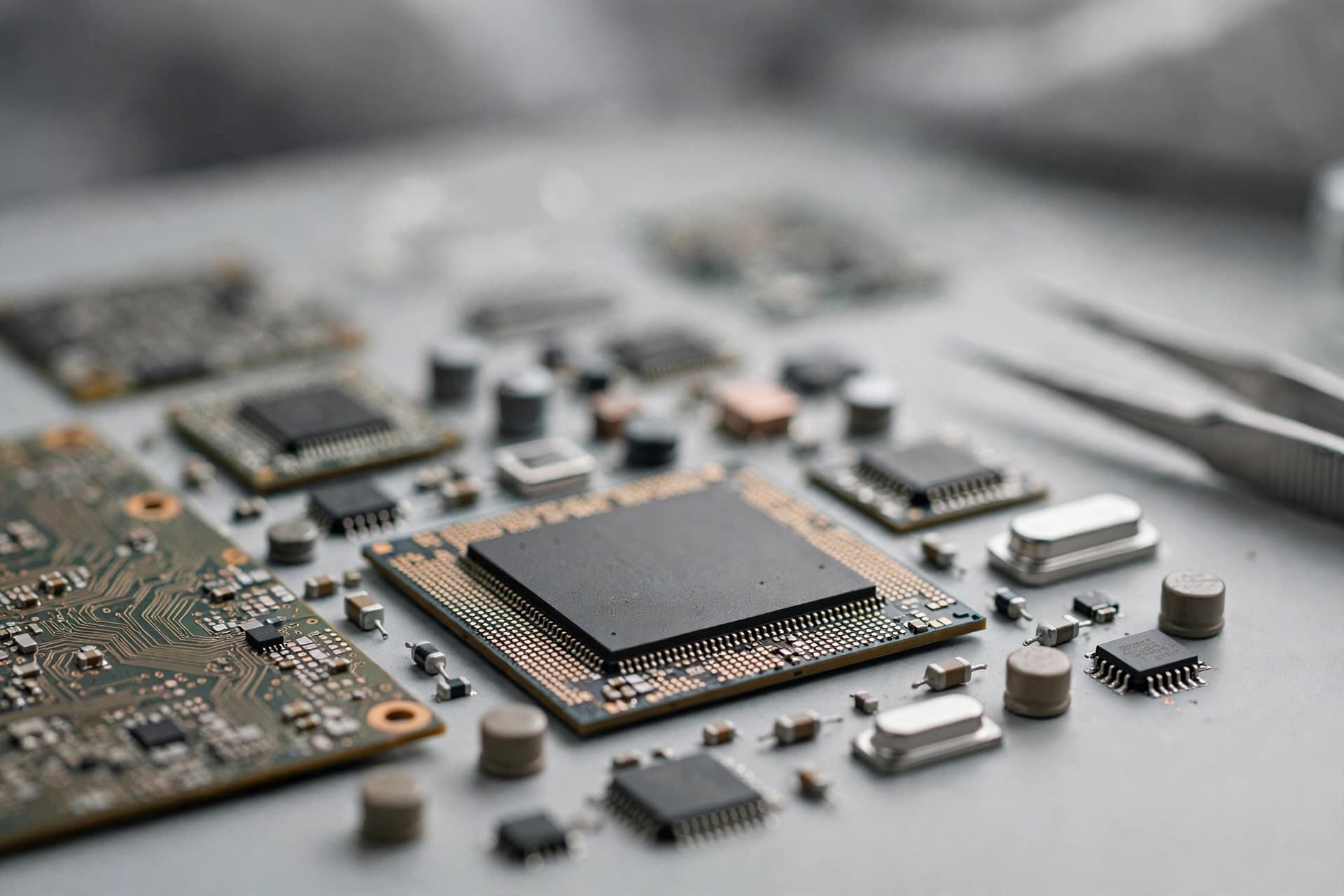
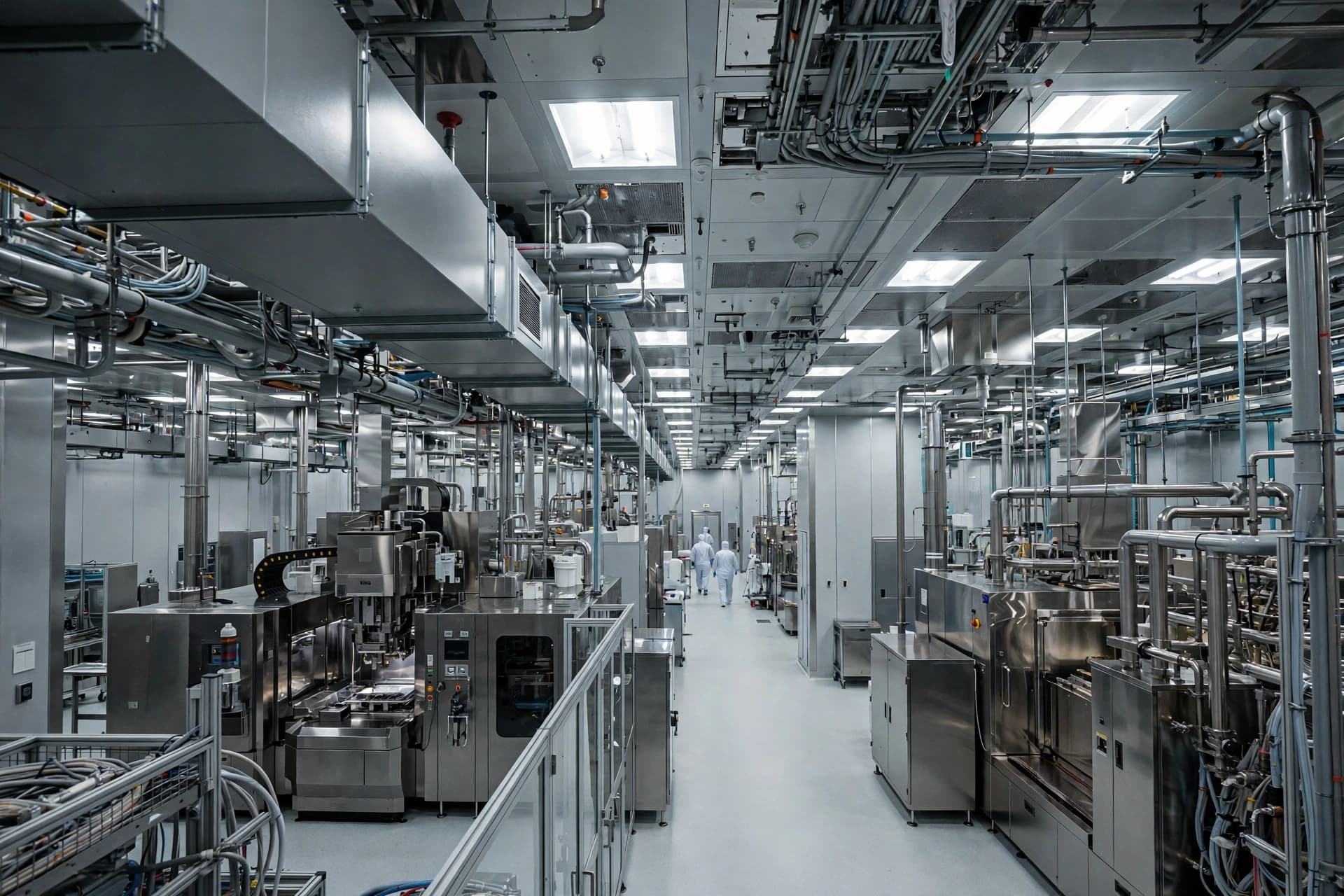
AI Image Disclaimer Visuals are generated with AI tools and are intended for conceptual representation only.
Sources Chinese scientists achieve breakthrough in quantum computing with “Zhuangzi 2.0” and prethermalization control. China hits new landmark in global quantum computing race with Zuchongzhi 3.0.
Published by Banx Network. This article is part of the Banx decentralized media programme, powered by the BXE token on the XRP Ledger.