Key Highlights
- China’s UN Representative: Calls for a legally binding peace agreement.
- Upcoming Talks:Scheduled for November 10-11 in Abu Dhabi.
- Emphasis on Civilians:Urges prioritization of civilian needs and political will.
China’s Deputy Permanent Representative to the United Nations, Sun Lei, has called for a legally binding peace agreement to resolve the ongoing conflict between Russia and Ukraine. This statement was made during a session of the UN Security Council on November 9, just ahead of the anticipated peace talks set to take place in Abu Dhabi on November 10 and 11. Sun emphasized the importance of prioritizing civilian safety and maintaining open lines of communication among the involved parties.
In his address, Sun urged all stakeholders to demonstrate political will and engage in negotiations that address the root causes of the conflict. His remarks come at a critical juncture as the international community seeks to find a resolution to the war that has caused significant humanitarian crises and geopolitical tensions.
Ukrainian President Volodymyr Zelenskyy has previously highlighted the necessity of European involvement in the discussions, particularly concerning security guarantees and the reconstruction of Ukraine. Zelenskyy’s administration has been vocal about the need for comprehensive support from European nations to ensure a sustainable peace and recovery process.
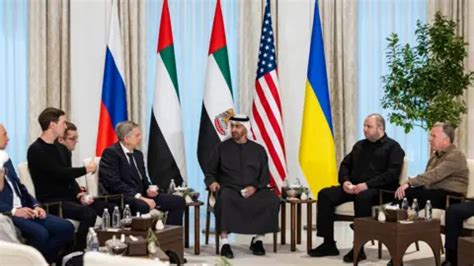
The upcoming talks in Abu Dhabi are expected to bring together key international players, including representatives from Russia, Ukraine, and various Western nations. The focus will likely be on establishing a framework for peace that not only addresses immediate concerns but also lays the groundwork for long-term stability in the region.
As the situation evolves, the international community remains watchful of the outcomes from the Abu Dhabi talks. The call for a binding peace agreement by China adds a significant dimension to the ongoing diplomatic efforts, reflecting a growing recognition of the need for a structured resolution to the conflict.
The implications of these discussions could be far-reaching, potentially influencing future diplomatic relations and security arrangements in Europe and beyond. Observers will be keen to see how the parties respond to the proposals put forth and whether a consensus can be reached that satisfies the diverse interests involved.
Published by Banx Network. This article is part of the Banx decentralized media programme, powered by the BXE token on the XRP Ledger.