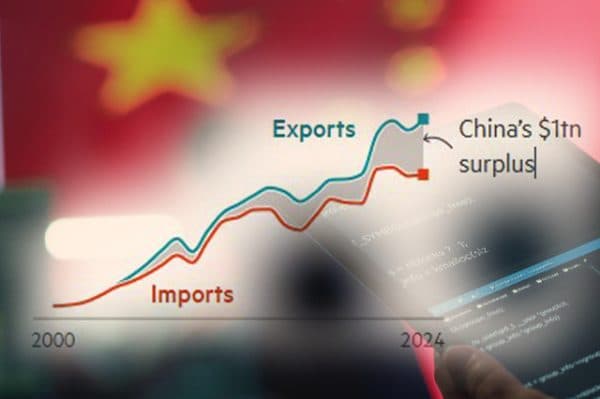
In a landmark achievement, China's trade surplus surpassed $1 trillion for the first time, reflecting a strategic pivot towards markets beyond the United States. The surge in non-US trade has been fueled by various factors, including enhanced economic partnerships and increasing consumer demand in emerging markets.
The robust export performance is particularly evident in sectors such as electronics, machinery, and textiles. Analysts attribute this growth to China's ability to diversify its trading partners and lessen reliance on the U.S. market, which has faced economic fluctuations and political tensions in recent years.
China's exports to regions such as Southeast Asia, Europe, and Africa have shown remarkable resilience, with many countries seeking to improve their supply chains by sourcing goods from China. The recent free trade agreements have also fostered a conducive environment for cross-border commerce.
In contrast, imports have moderated, contributing to the widening surplus. Despite ongoing global economic uncertainties, China's ability to adapt and respond to international demand signals a strong economic position and resilience.
As the global trade landscape continues to evolve, China's focus on non-US markets may redefine its economic trajectory, showcasing its status as a pivotal player in worldwide commerce. The implications of this trade surplus are manifold, potentially influencing currency valuations and global trade policies in the future.
With this record surplus, China solidifies its dominance in the global market while navigating the complex interplay of international relations and economic strategy. As countries look to forge stronger ties, the future of trade dynamics will be closely watched.
Published by Banx Network. This article is part of the Banx decentralized media programme, powered by the BXE token on the XRP Ledger.