In two major global developments, China and global banking giant Standard Chartered are shaping the digital and financial future in vastly different ways — one through tighter control, the other through explosive blockchain growth.
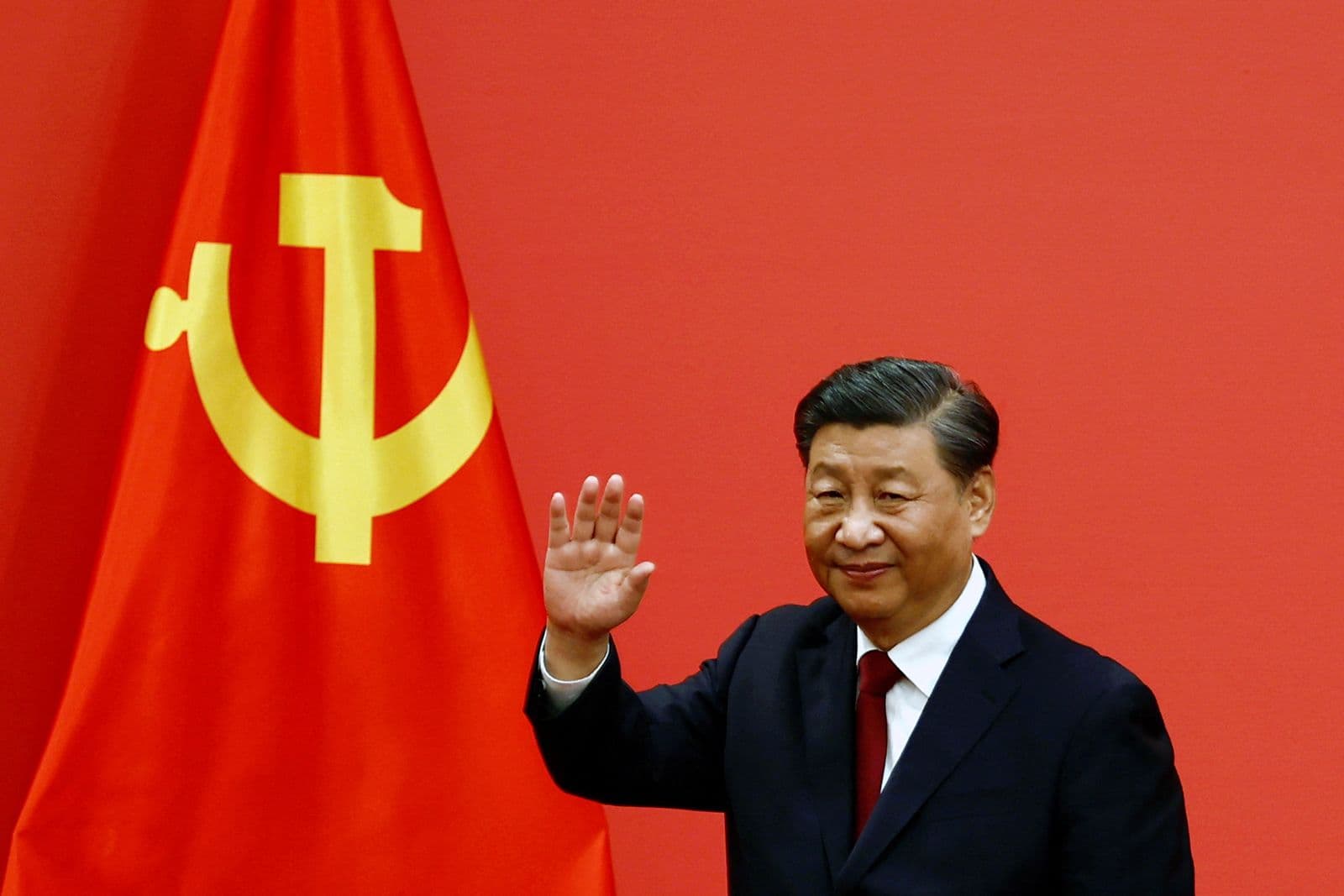
🇨🇳 China’s New Influencer Law: China has passed a new law requiring social media influencers to hold an academic degree in the specific topics they discuss online. This means influencers covering finance, health, or law must now be formally educated in those fields, or risk losing their platforms. The move aims to combat misinformation but also strengthens government oversight over online content. It’s seen as part of Beijing’s broader effort to regulate digital voices and ensure “qualified knowledge dissemination” on social platforms.
💹 Standard Chartered’s Blockchain Forecast: Meanwhile, Standard Chartered Bank has released a bullish forecast, predicting that tokenized Real World Assets (RWAs) could surge to $2 trillion by 2028 — a massive 57× increase from current levels. This includes assets like bonds, real estate, and commodities brought onto blockchain networks, providing greater liquidity, transparency, and institutional efficiency.
This dual development highlights the contrast between control and innovation in today’s digital world: while China focuses on regulating voices, major global institutions are betting on blockchain’s power to transform finance.
As institutions embrace tokenization and governments impose tighter digital boundaries, the global economy edges toward a future that is both digitally open and strictly governed.
Published by Banx Network. This article is part of the Banx decentralized media programme, powered by the BXE token on the XRP Ledger.