Opening: In the hidden veins of the earth lie minerals that are small in size but monumental in importance. Rare-earth elements, the silent engines of modern technology, power everything from electric vehicles to advanced defense systems. For years, the global supply chain for these critical materials has been dominated by a single player, creating a dependency that is now being tested by the shifting winds of geopolitics. As China tightens its grip on exports, Europe finds itself at a crossroads, confronting the reality of its strategic vulnerability.
This move is not merely a trade adjustment but a profound statement of economic statecraft. It reminds us that in an interconnected world, resources are not just commodities but instruments of influence, capable of reshaping alliances and forcing a reevaluation of industrial independence.
Body: China has recently implemented stricter export controls on certain rare-earth metals and processing technologies, a move that has sent ripples through European industries. These controls require exporters to obtain special licenses and undergo rigorous review, effectively giving Beijing the ability to monitor and potentially restrict the flow of these vital materials. For Europe, which relies heavily on Chinese supplies for its green transition and digital economy, this development is a cause for serious concern.
Rare-earth elements such as gallium, germanium, and antimony are essential for the production of semiconductors, batteries, and renewable energy technologies. China’s dominance in the mining and, more importantly, the processing of these materials means that few alternatives exist in the short term. The new regulations are seen as a response to Western restrictions on chip technology, highlighting the tit-for-tat nature of contemporary economic competition.
European officials have expressed alarm at the potential disruption to supply chains, urging diversification and increased investment in domestic processing capabilities. The European Commission has accelerated efforts to build a resilient raw materials strategy, including partnerships with other resource-rich nations and incentives for recycling and innovation. However, building an independent supply chain is a complex and time-consuming endeavor that cannot happen overnight.
The situation underscores the fragility of globalization when it comes to strategic resources. For decades, efficiency and cost-effectiveness drove the consolidation of rare-earth processing in China. Now, security and sovereignty are taking precedence, forcing companies and governments to rethink their sourcing strategies. This shift marks a departure from the era of unfettered free trade toward a more guarded and strategic approach to economic relations.
Industry leaders in the automotive and tech sectors are closely monitoring the situation, aware that any significant restriction could halt production lines and delay the rollout of new technologies. Some companies are already exploring alternative suppliers in Australia, Africa, and North America, though these sources often lack the refining capacity that China possesses. The bottleneck is not just in extraction but in the complex chemical processes required to make the materials usable.
Diplomatically, Europe is seeking to engage with China to ensure stable trade flows, while simultaneously strengthening ties with like-minded partners. The goal is to create a buffer against future shocks, reducing reliance on any single source. This dual approach of engagement and diversification reflects the nuanced strategy required to navigate a multipolar world where economic interdependence is both a strength and a weakness.
Closing: As the dust settles on this latest regulatory change, the message is clear: the age of taking critical resources for granted is over. Europe’s response will define its industrial future, testing its ability to innovate and adapt in the face of external pressure. The rare-earth dilemma is not just a challenge but an opportunity to build a more resilient and self-reliant economy.
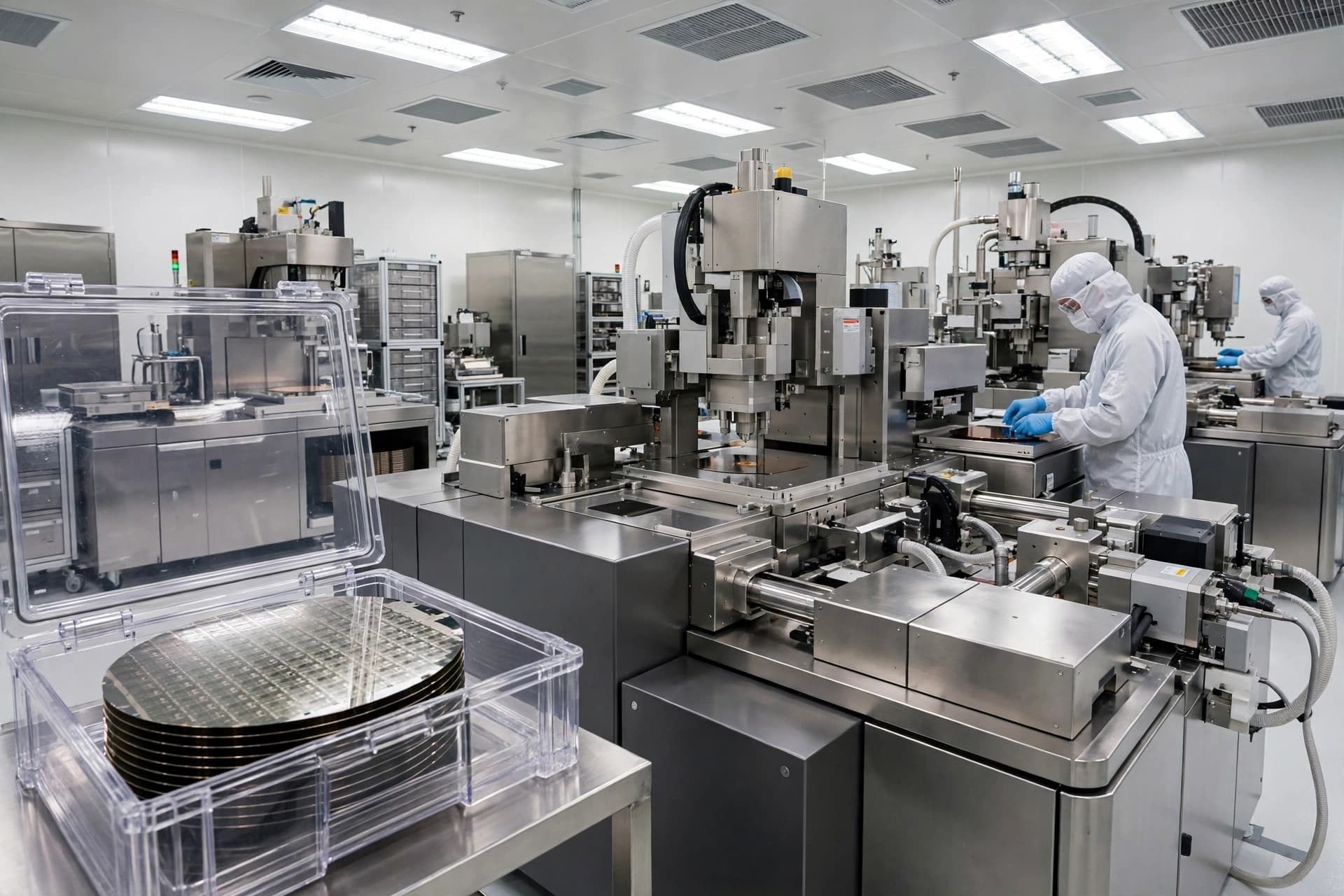
AI Image Disclaimer: The visual content associated with this article is generated by artificial intelligence to illustrate the thematic elements of global trade and resource management, and does not represent specific photographic evidence of mining operations or political meetings.
Sources: Financial Times Reuters Politico Europe The Guardian
Published by Banx Network. This article is part of the Banx decentralized media programme, powered by the BXE token on the XRP Ledger.