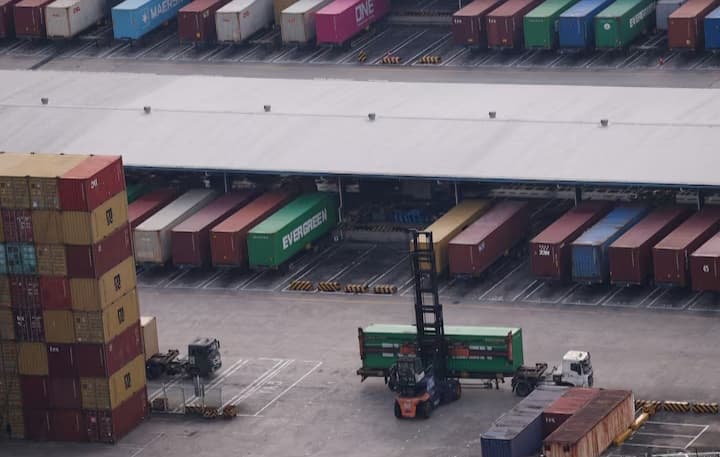
In a significant economic achievement, China has reported a record $1.2 trillion trade surplus for the year 2025, defying expectations and showcasing the country's economic resilience even in the face of tariffs implemented during Trump's presidency. The surplus was largely influenced by strong export performance and effective management of international trade relations.
Throughout 2025, China's exports grew robustly, driven by demand for electronics, machinery, and consumer goods. This growth highlights the effectiveness of the country’s manufacturing sector, which has adapted to meet global needs while contending with trade barriers. Analysts noted that China's ability to diversify export markets played a crucial role in mitigating the adverse impacts of tariffs.
While the Trump administration's tariffs aimed to reduce trade deficits and protect American manufacturers, they inadvertently prompted Chinese businesses to become more competitive and innovative in their approaches. Experts believe that rather than stifling growth, the tariffs may have pushed China to enhance its trade strategies and boost productivity.
The record surplus has raised questions about the long-term implications for U.S.-China trade relations. Critics argue that the trade imbalance underscores the need for a reevaluation of trade policies, while supporters of the tariffs contend that they are necessary for protecting domestic industries.
As China moves forward, the implications of this substantial trade surplus will be closely monitored, especially in the context of ongoing geopolitical tensions. Observers are keenly interested in how China will approach future trade negotiations and whether it can sustain this momentum in the evolving global market. The figures from 2025 not only reflect China's economic strength but also signal potential shifts in international trade dynamics moving forward.
Published by Banx Network. This article is part of the Banx decentralized media programme, powered by the BXE token on the XRP Ledger.