Banx Media Platform logo
TECHNOLOGYSocial MediaAR/VRHappening NowFeatured

China and Kazakhstan Launch $2 Billion Renewable Energy Project

China and Kazakhstan have officially launched a $2 billion renewable energy project aimed at advancing sustainable energy solutions in Central Asia. This initiative signifies a major collaboration in promoting green technology and reducing carbon emissions.

B

Billy Ethan Jr

EXPERIENCED
5 min read
12 Views
Credibility Score: 97/100
China and Kazakhstan Launch $2 Billion Renewable Energy Project

In a significant development for sustainable energy, China and Kazakhstan have unveiled a groundbreaking $2 billion renewable energy project. This collaboration aims to enhance the region's renewable energy capacity and contributes to the global transition towards greener energy solutions.

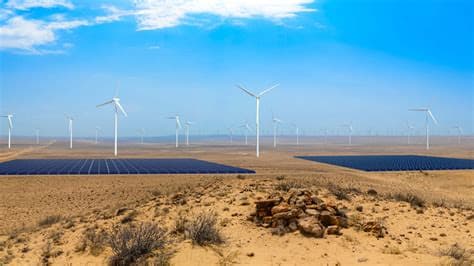
The project, which encompasses a range of renewable technologies, is expected to include solar and wind power installations designed to harness the region's abundant natural resources. Officials from both countries highlighted the importance of this initiative in reducing carbon emissions and fostering long-term energy security.

Kazakhstan’s Minister of Energy emphasized that the project aligns with the country’s strategic goals to diversify its energy sources and meet international commitments for carbon reduction. The partnership with China, a leader in renewable technology, is seen as a crucial step towards achieving these objectives.

Chinese officials expressed optimism regarding the collaboration, noting that it not only strengthens bilateral ties but also positions both countries as key players in the green energy landscape. The project is expected to create numerous jobs, boost local economies, and promote technological exchange between the nations.

As the world increasingly prioritizes sustainability, this initiative underscores the growing recognition of renewable energy as a pivotal factor in economic development. The partnership between China and Kazakhstan could serve as a model for other nations looking to enhance their energy portfolios while addressing climate change.

In the coming months, both governments will work closely on the implementation phase, focusing on developing local expertise and ensuring that the project delivers tangible benefits to communities in Kazakhstan. The successful execution of this renewable energy project could pave the way for further collaboration in sustainable development across Central Asia.

Published by Banx Network. This article is part of the Banx decentralized media programme, powered by the BXE token on the XRP Ledger.


Decentralized Media

Powered by the XRP Ledger & BXE Token

This article is part of the XRP Ledger decentralized media ecosystem. Become an author, publish original content, and earn rewards through the BXE token.

Newsletter

Stay ahead of the news — and win free BXE every week

Subscribe for the latest news headlines and get automatically entered into our weekly BXE token giveaway.

No spam. Unsubscribe anytime.

Share this story

Help others stay informed about crypto news

Related articles

Keep exploring the latest stories.

View more
When Seoul’s Chip Giant Opens Its Vault, Investors Look Beyond the Glow of Artificial Intelligence

When Seoul’s Chip Giant Opens Its Vault, Investors Look Beyond the Glow of Artificial Intelligence

Samsung approved a record 90–110 trillion won shareholder-return plan, but investors wanted larger buybacks and clearer distribution of AI-driven profits.

When Chips Become the New Industrial Currency, America Builds a Wider Road Toward Domestic Semiconductor Strength

When Chips Become the New Industrial Currency, America Builds a Wider Road Toward Domestic Semiconductor Strength

The United States is expanding semiconductor manufacturing and research capacity as AI demand increases pressure for more advanced computing infrastructure.

U.S. Presses South Korean Firms to Build Memory-Chip Plants in America

U.S. Presses South Korean Firms to Build Memory-Chip Plants in America

The U.S. has named South Korea’s Honam chip cluster while urging Korean companies to build memory plants on American soil.