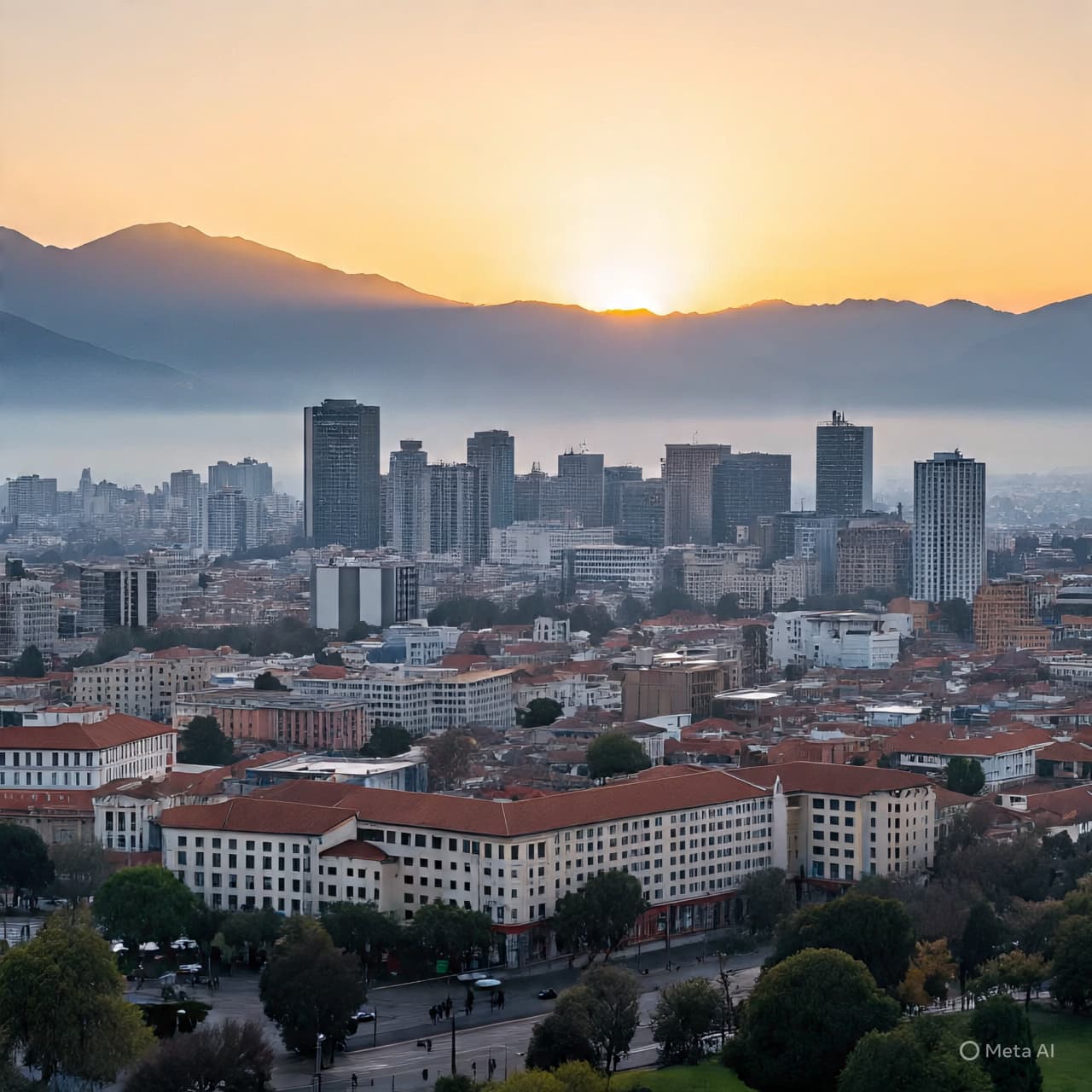
Elections often arrive as moments of clarity after long seasons of uncertainty. Campaign slogans fade, ballots are counted, and a country is left to sit with what it has chosen. In Chile, that moment has come with a decisive turn.
A conservative hard-liner has been elected as Chile’s new president, marking a significant shift in the country’s political trajectory. The result reflects voter frustration with recent instability and a growing appetite for order, security, and economic predictability after years of social unrest and constitutional debate.
The president-elect campaigned on promises of restoring authority, tightening public security, and reversing policies associated with Chile’s progressive experiment of recent years. Supporters view the victory as a corrective — a signal that the public is weary of uncertainty and eager for firmer leadership.
Critics, however, see risks in the new direction. They warn that hard-line rhetoric could deepen divisions in a society already strained by inequality and political polarization. Human rights groups and opposition figures have expressed concern about how campaign promises will translate into policy once the responsibilities of office take hold.
Chile’s recent political history has been shaped by volatility. Mass protests, constitutional rewrites, and leadership turnover created an atmosphere in which trust in institutions wavered. In that context, the election result can be read less as ideological enthusiasm and more as a demand for stability.
The president-elect now faces the challenge of governing a divided electorate. While the mandate is clear, expectations are high and patience may be limited. Economic pressures, public safety concerns, and the unfinished question of constitutional reform remain unresolved.
International observers are watching closely. Chile has long been viewed as a political and economic bellwether in the region, and its shift toward a more conservative posture may influence debates well beyond its borders.
As the transition begins, the country enters a familiar but uneasy phase — one where campaign certainty meets governing reality. Whether the new administration can translate firm promises into durable solutions will define this next chapter in Chile’s political life
Published by Banx Network. This article is part of the Banx decentralized media programme, powered by the BXE token on the XRP Ledger.