Key Highlights
- Resignation:Chicago CFO Ashlee Gabrysch resigns after three months.
- Integrity Concerns:Gabrysch cites inability to fulfill obligations under current conditions.
- Financial Crisis:Chicago faces an $882 million deficit amid budget negotiations.
[Context of Resignation] On a Friday in November, Chicago's chief financial officer, Ashlee Gabrysch, submitted her resignation after just three months in the role. This resignation marks a significant moment for the city, as it is the third CFO to leave the Johnson administration within a year. Gabrysch's departure raises serious questions about the city's financial management and governance, particularly in light of the ongoing budget crisis.
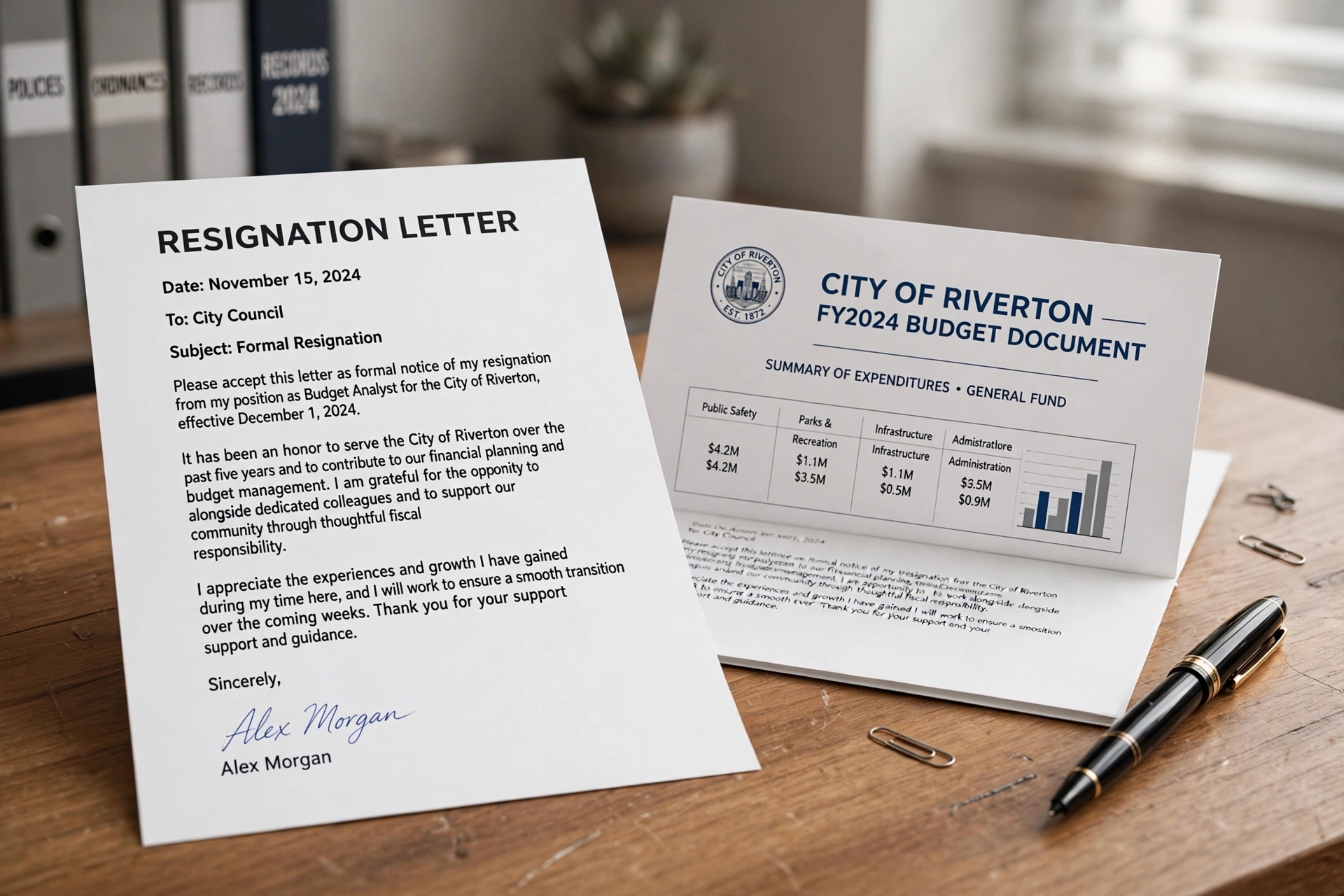
[Gabrysch's Letter and Concerns] In her resignation letter, Gabrysch expressed her concerns about the integrity of the financial statements she was expected to provide. She stated that the CFO's statements are relied upon by various stakeholders, including investors and taxpayers, and emphasized that they must be complete and accurate. Gabrysch's assertion that continuing in her role would compromise her integrity has resonated throughout City Hall, prompting discussions about the conditions under which she was operating.
[City's Response] The mayor's office responded to Gabrysch's resignation with accusations of her absence during critical budget preparation periods. Press secretary Allison Novelo claimed that Gabrysch directed the City Treasurer to issue a $75 million pension payment without proper legal authority. This payment was linked to a council vote on November 2, which aimed to allocate a parking meter windfall to pensions. The mayor's office indicated that they would refer the matter to the inspector general for an independent review, highlighting the contentious nature of the situation.
[Aldermen's Reactions] Aldermen have voiced their concerns, with some suggesting that Gabrysch's resignation indicates she was pressured to present false information. Alderman Bill Conway called for an immediate investigation, warning that if Mayor Johnson had indeed asked Gabrysch to act dishonestly, it could constitute a shocking act against taxpayers. Alderman Pat Dowell echoed these sentiments, calling for an audit of the city's finances and expressing her disappointment in Gabrysch's departure.
[Financial Implications] The context of Gabrysch's resignation is particularly troubling given the city's $882 million deficit and stalled budget negotiations. The CFO's role is crucial, as it directly impacts the city's credibility with lenders and financial institutions. Following last year's budget, three major ratings agencies downgraded the city, citing persistent financial gaps driven by pension, debt, and payroll costs. Gabrysch's resignation could further complicate the city's financial landscape, as it struggles to regain stability.
[Looking Ahead] Comptroller Michael Belsky, who will serve as acting CFO, expressed disappointment over Gabrysch's resignation but defended the mayor's transparency regarding the city's fiscal position. Gabrysch, however, criticized the administration's response as an attempt to deflect from serious issues. As investigations unfold and budget negotiations continue, the city faces a critical juncture in its financial management. The lingering question remains: how will Chicago navigate its fiscal challenges amid leadership instability?
Published by Banx Network. This article is part of the Banx decentralized media programme, powered by the BXE token on the XRP Ledger.