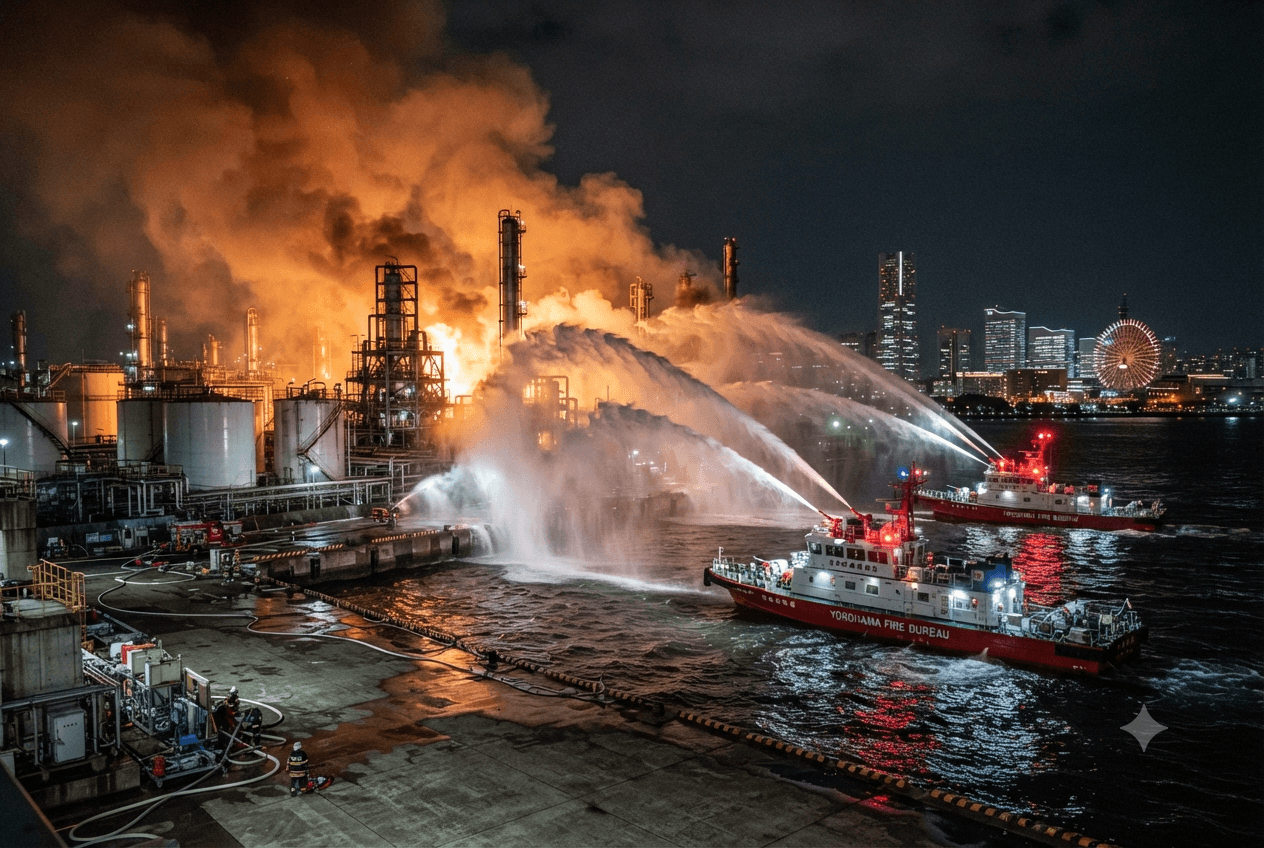
Yokohama, Japan—A concussive shockwave rattled windows across the port district as a massive fireball erupted from the secondary containment yard of a major chemical processing facility. Plumes of thick, dark petrochemical smoke rose thousands of feet into the overcast sky, casting an amber shadow over the waterfront. Fireboats rushed to the seawall, pumping seawater through high-pressure monitors directly into the blazing storage tanks. Plant operators triggered emergency shutdown protocols within seconds of the blast, halting all regional pipeline feeds.
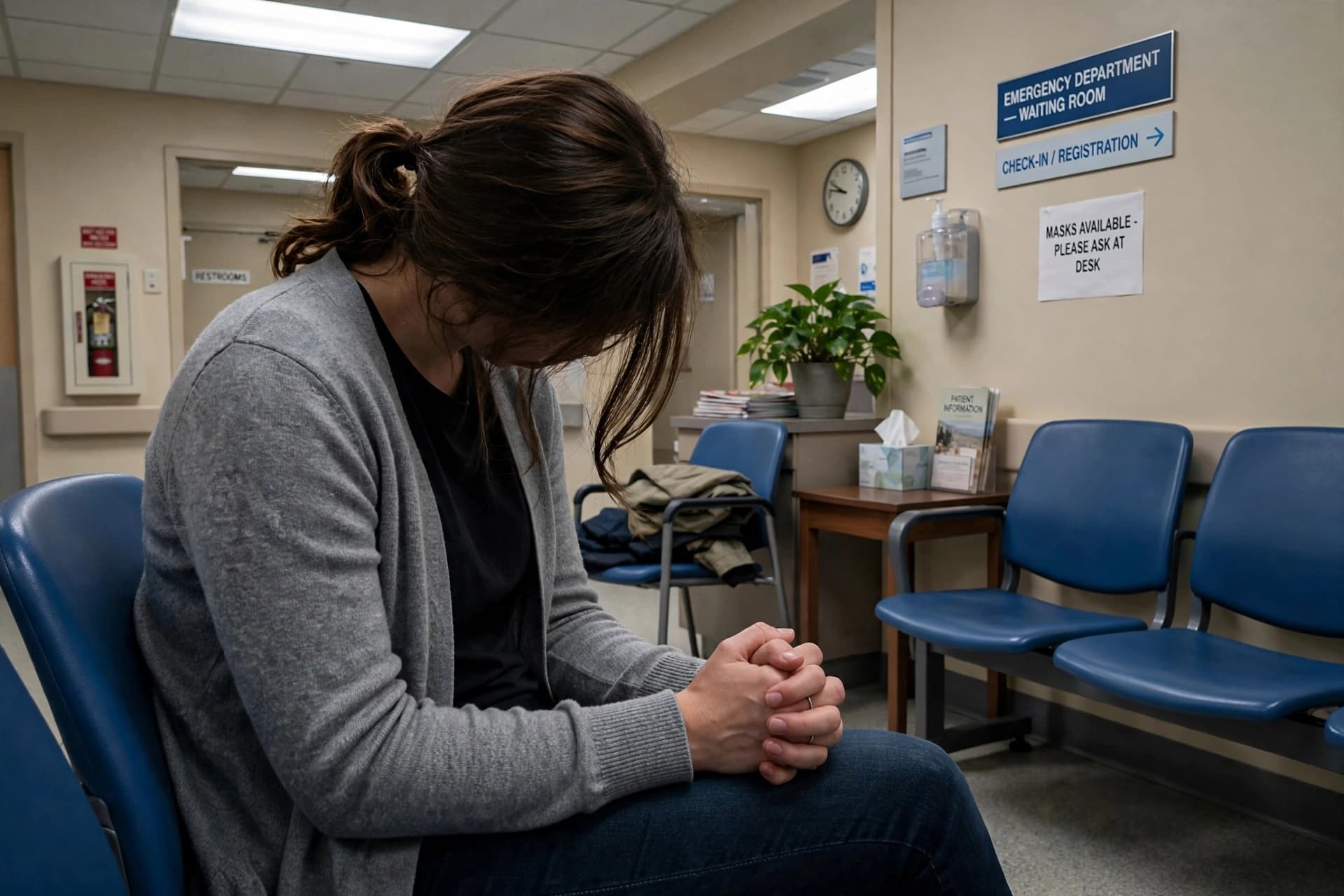
Local municipal authorities issued an immediate evacuation order for all residents within a two-kilometer radius of the industrial park. Sirens wailed continuously as police cruisers equipped with loudspeaker systems crawled down residential streets urging families to move inland. Emergency clinics opened triage centers in municipal gymnasiums to handle patients reporting respiratory irritation from the dense smoke drift. The port administration suspended all shipping movements in and out of the harbor to maintain a clear waterway for emergency vessels.
The blast felt like an earthquake hitting right beneath our kitchen floor, said local resident Kenji Sato. We stepped outside and saw a wall of black smoke rolling across the container yards toward our apartment block.
Hazardous materials response teams donned full Level A protective suits before approaching the perimeter of the blazing compound. Initial water applications failed to contain the chemical fire, forcing firefighters to switch to specialized foam suppression systems. Plant supervisors confirmed that the ruptured vessel contained organic solvents used in synthetic rubber manufacturing. The intense heat threatened neighboring storage silos containing volatile accelerants, raising fears of a secondary detonation.
Company executives held an emergency press conference at corporate headquarters late in the afternoon, offering sparse details regarding the immediate cause of the failure. We are cooperating fully with municipal fire marshals and national safety inspectors to determine how this breach occurred, said corporate vice president Hiroshi Tanaka. Our thoughts are with the injured workers currently receiving medical treatment at city hospitals.
Emergency medical services reported treating at least fourteen plant workers for thermal burns and chemical exposure injuries sustained during the initial evacuation scramble. Three individuals remained in critical condition in the intensive care unit of the municipal medical center with severe pulmonary trauma. Port workers gathered behind police barricades watching fireboats continuously douse the twisted steel framework of the collapsed storage shed.
Environmental protection officers deployed air monitoring sensors downwind from the blast site to measure particulate concentrations and toxic vapor levels. Initial readings showed elevated sulfur dioxide levels along the immediate waterfront, prompting authorities to extend the shelter-in-place advisory through the night. Commuters on nearby rail lines pressed their faces against carriage windows, staring silently at the towering pillar of smoke dominating the horizon.
Salvage tugs stood by in the harbor ready to tow uncompromised fuel barges away from the burning docks if wind directions shifted unfavorably. Traffic police diverted commercial freight trucks toward outer bypass rings to keep the urban highway corridors clear for responding emergency vehicles. The smell of burning petroleum hung heavy in the humid air across the entire metropolitan waterfront district.
Plant engineers worked with municipal utility crews to isolate remaining electrical feeds to prevent short circuits from igniting residual chemical pools on the concrete slab. Disaster recovery specialists reviewed blueprints of the drainage system to prevent contaminated fire runoff from spilling directly into the bay.
Fire crews continue pouring chemical foam onto the smoldering ruins of the storage tank while cooling water streams operate around the perimeter.
Published by Banx Network. This article is part of the Banx decentralized media programme, powered by the BXE token on the XRP Ledger.